©Unsplash
-
Aug 11, 2026 10:00
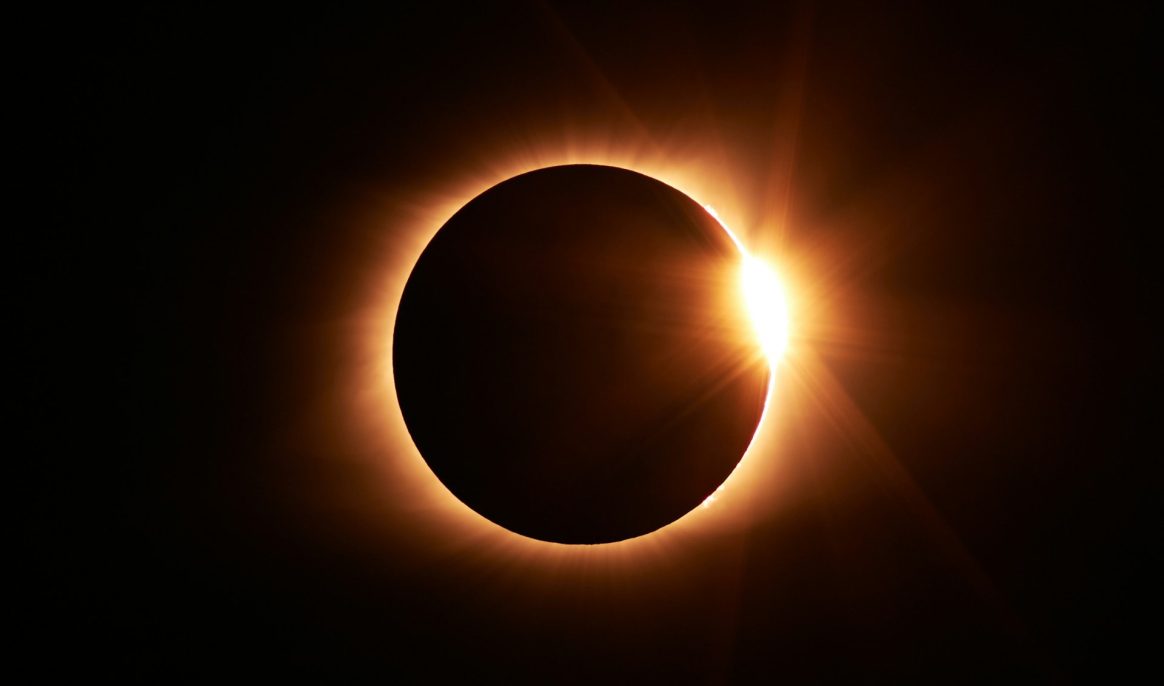
With the August 12 solar eclipse approaching, experts are warning about “eclipse blindness,” a serious but often underestimated risk. Looking directly at the sun, even for just a few seconds, can cause irreversible damage to the retina.
The danger is all the more insidious because the retina feels no pain, making it impossible to immediately realize the damage that has been done.
Contrary to popular belief, the sun is not more dangerous during an eclipse, but this phenomenon encourages more people to look at the sun without protection. The risk is even greater when the sun is low on the horizon or partially obscured, as it appears less intense, creating a false sense of security.
The consequences can be serious and irreversible: decreased vision, the appearance of a black spot in the center of the visual field, or partial blindness. Experts emphasize that damaged retinal cells cannot regenerate.
That is why the rule is simple: never look at the sun without proper protection. Only special, certified sunglasses provide sufficient protection. Ordinary sunglasses or makeshift solutions do not offer adequate protection.
Despite prevention campaigns, the danger is sometimes still underestimated, making it a genuine public health issue.
Share: