©Unsplash
-
Jul 19, 2026 10:00
In South Korea, there’s a competition that, at first glance, seems like a joke but actually says a lot about us, our times, and how we experience work. It’s called the “space-out competition.”
Its goal is as simple as it is puzzling: to remain motionless, in silence, doing nothing for 90 minutes. No phones, no distractions, no performance. Just being present.
In a country known for its grueling work pace, the social pressure to succeed, and a conception of personal worth often conflated with productivity, this competition has, over the years, become a small crack in the system. It makes no noise, shouts no slogans, but invites us to pause. And to ask ourselves whether we were really born to run endlessly.
The “space-out competition” was launched in 2014 in Seoul as an artistic and social project. It is neither a sporting event nor a spiritual practice, but a concrete response to a widely shared feeling: mental fatigue. A fatigue that doesn’t go away with a few extra hours of sleep, because it’s rooted in the constant pressure to be efficient, high-performing, and always up to the task.
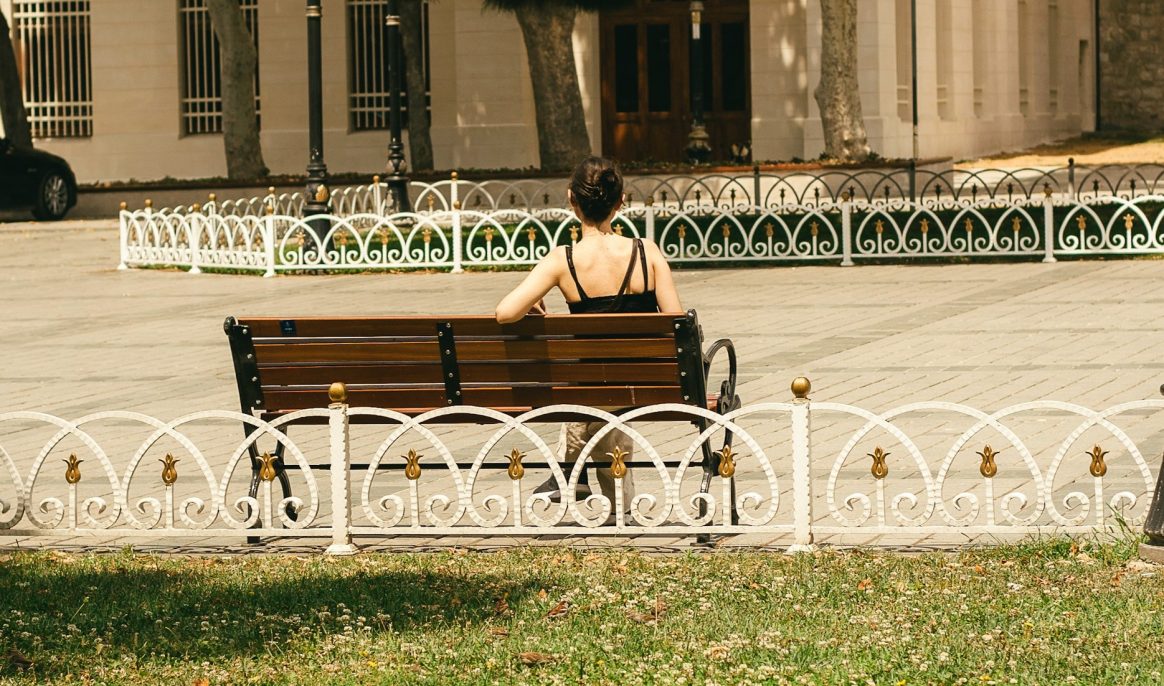
During the competition, participants sit side by side—often in parks or public spaces—and remain motionless. They have nothing to prove; they don’t have to win by outperforming anyone else. Calm becomes the benchmark. Heart rate, the ability to remain still, to resist the urge to check on something or do something—in essence, to justify one’s existence through action.
Seen from the outside, we tend to smile at these images. Sitting for 90 minutes doesn’t seem like much. And yet, for those who live under the pressure of daily life, doing nothing is surprisingly difficult. That is precisely where the challenge lies. The “space-out competition” doesn’t mock the idea of competition; it dismantles it from within. It transforms inaction into a conscious act.
In recent years, the event has attracted increasing attention, especially in 2025, when hundreds of people participated in the most recent editions. Among them was Byung-jin Park, a musician and cultural entrepreneur, who described the experience as a way to free up mental space and reconnect with himself on a deeper level. No mystical enlightenment, no promise of happiness. Just silence, breathing, and time that ceases to be an enemy.
What makesthe “space-out competition” interesting for us here in Italy, too, isn’t the exotic nature of the event, but the message it conveys. We, too, live in a society that rewards those who rush about, who respond immediately, who fill every void. Free time is often experienced with a sense of guilt. Resting seems like a concession, not a right.
The Korean competition reminds us that stopping doesn’t mean giving up, but regaining clarity. That rest isn’t unproductive—quite the opposite. Many participants say they emerge from these 90 minutes feeling lighter, more creative, and less reactive. It’s as if, by stripping away the noise, something essential can emerge once again.
Share: