©Greg Bulla via Unsplash
-
Jul 21, 2026 11:05
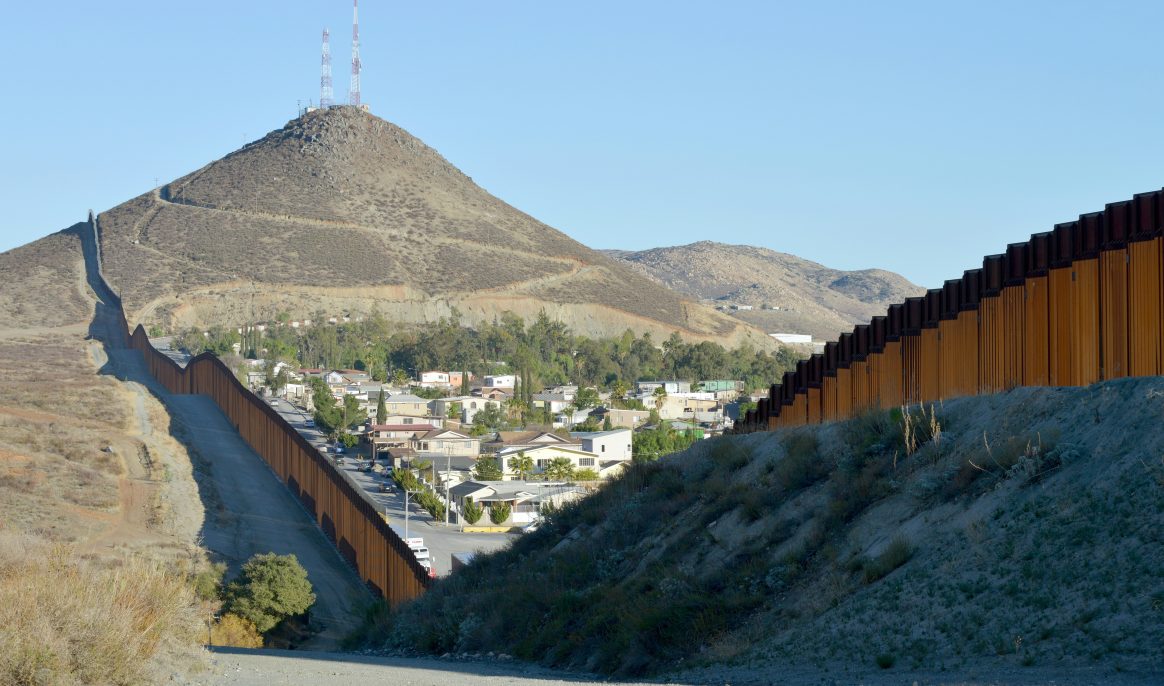
Once again, the push to strengthen borders is targeting a place that should never be touched: a sacred site. This is happening in northern Mexico, between Baja California and the United States: here, Cerro Cuchumá—an iconic mountain and ceremonial center for several Indigenous communities—has been targeted by explosions linked to the construction of the border wall.
According to local reports, U.S. personnel allegedly used explosives, damaging a sacred monolith approximately 35 meters tall. The extent of the damage remains unclear at this time.
Cerro Cuchumá is not just a mountain, but an archaeological and ceremonial site belonging to the Yumano tradition, a family of Indigenous peoples that includes communities such as the Cucapah, Halyiikwamai, Alakwisa, Kamai, Yuma, and Mojave. For these peoples, it's a spiritual, identity-defining, and living place.
For centuries, rituals, gatherings, and practices tied to their worldview have taken place there. In the 19th century, however, a line drawn on maps changed everything: the border between Mexico and the United States literally cut the mountain in two. And with it, the Kumiai people who inhabited these lands—now scattered across Southern California and the Mexican cities of Ensenada and Tecate.
Significance for the Kumiai
For the Kumiai (a de facto binational culture), Cerro Cuchumá is a fundamental religious center, a true point of connection to their own history and spirituality. Yet in recent years, access to this site has become increasingly difficult.
Restrictive border policies have also limited movement, including for Indigenous communities that have traditionally lived on both sides of the border. The result? A forced interruption of cultural and spiritual practices. And today, with the construction of the wall, physical harm has been added to the symbolic harm.
The site was officially recognized in the United States in 1992 as a historic and sacred site (under the name Kuchamaa, in the Tecate Peak area). In Mexico, it's considered part of the intangible cultural heritage. Yet this recognition has not been enough to protect it.
The recently reported explosions highlight a glaring contradiction: on the one hand, the cultural value of these sites is celebrated; on the other, they are being destroyed for political and infrastructural reasons.
What is happening at Cerro Cuchumá is not an isolated incident. Similar explosions have also been documented in other border areas, such as in the Mount Cristo Rey region, between El Paso and Ciudad Juárez. Construction of the wall continues to advance, including in areas of immense historical, cultural, and environmental value, jeopardizing memory, identity, and connections to the land.
Source: El País
Share: