
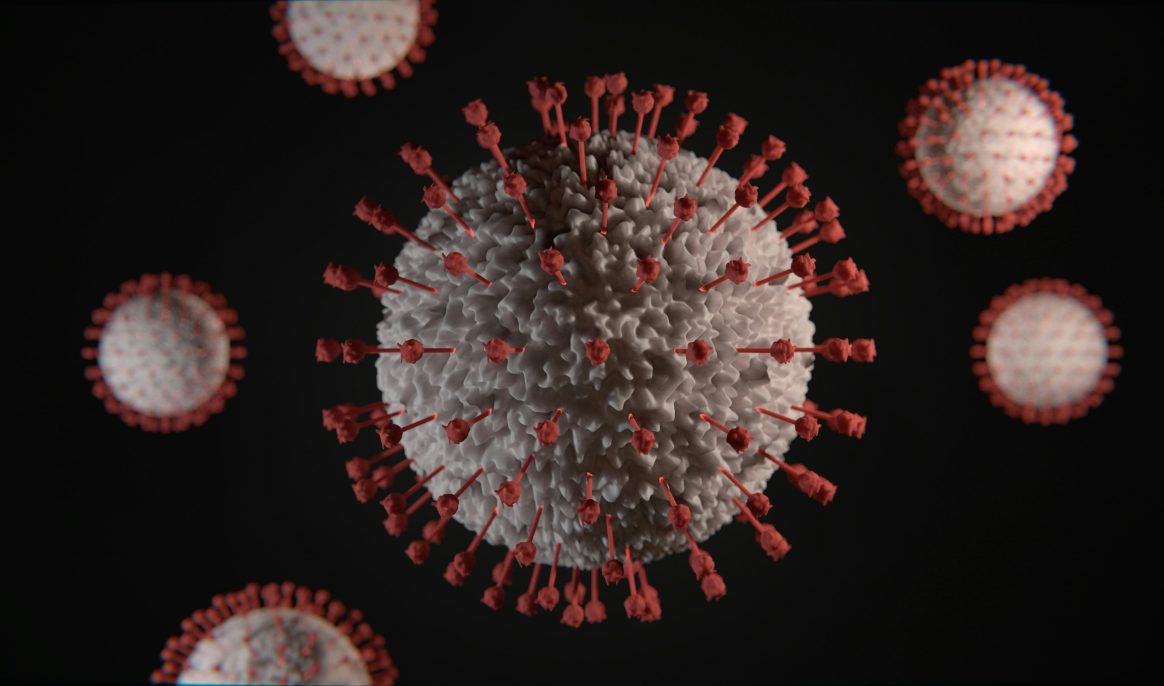
©Viktor Forgacs via Unsplash
-
Aug 11, 2026 08:24
American researchers have trained the Evo artificial intelligence model to design new viral genomes. To do so, they relied on the analysis of billions of genetic sequences.
This is according to a study published in the journal Science and reported by The New York Times.
After being trained on the genome of the bacteriophage Phi X-174—a virus that is harmless to humans and infects only the bacterium Escherichia coli—the Evo model was able to generate several viral genomes, sixteen of which proved to be viable. While these viruses remain very similar to existing models, chemist Oliver Crook of the University of Oxford points out that they are not “simply weakened versions of existing strains.”
Although this innovation opens up promising medical prospects for developing new treatments and vaccines, it also raises numerous concerns about the potential creation of dangerous pathogens.
Biologist and study co-author Brian Hie states that they exercised great caution by excluding from Evo’s training (similar to ChatGPT) all viruses capable of infecting humans, wildlife, and plants. Given the still-limited government oversight, responsibility currently rests primarily on the vigilance of scientists.
Share: