©Samuel Girven via Unsplash
-
Aug 02, 2026 12:03
In the United States, an alternative model is making a comeback to prevent relapses among people struggling with addiction. Currently booming, this concept relies on social spaces centered around sports, coffee, music, and even meditation.
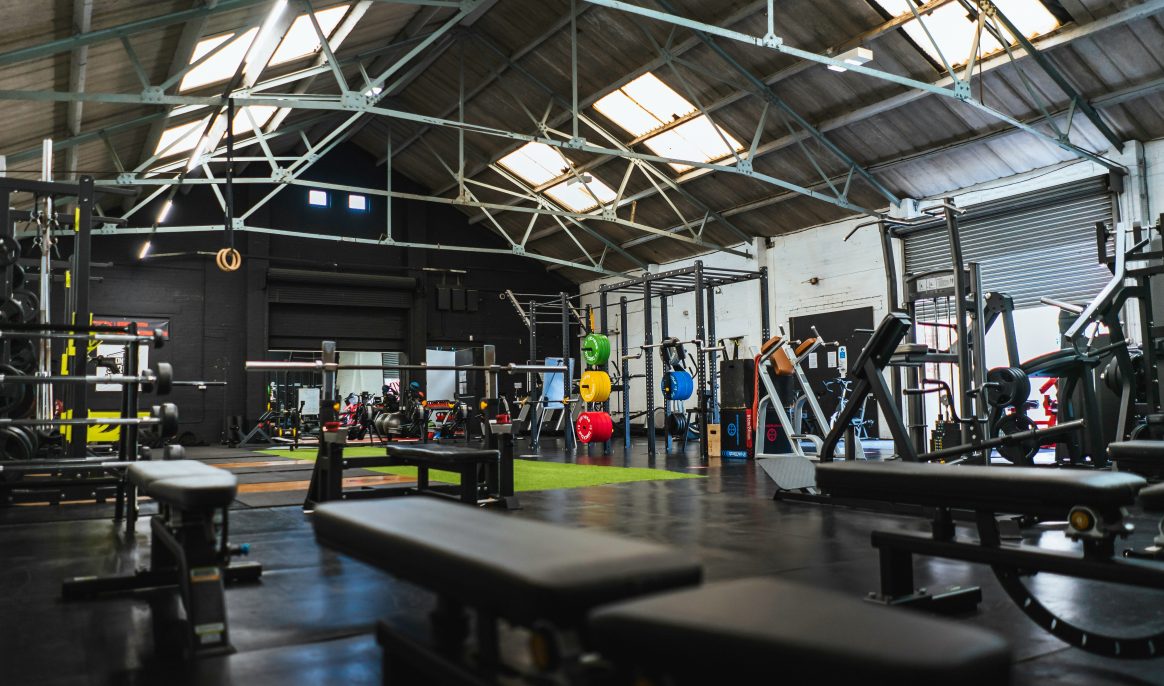
Upon leaving rehab, Kylie Corbitt (37) was confronted with a harsh reality. Isolation had taken root in her life just as much as her former circle of substance-using friends. Not finding a place for herself in Alcoholics Anonymous, she decided to join Phoenix, a free gym that requires a clear commitment: at least 48 hours of sobriety before each session.
Through CrossFit and rock climbing, the 37-year-old was able to rebuild a sober and healthy routine based on solidarity.“We don’t spend our days talking about addiction; we talk about regaining our health,” she explains to The New York Times, noting that this particularly welcoming space has allowed her to“feel human again,” form relationships, and now volunteer.
In addition to traditional treatments
As a complement to conventional medical care, these alcohol- and drug-free facilities address the critical need to rebuild social connections to combat loneliness and boredom—two major factors in relapse. As Dr. John Kelly, director of the Recovery Research Institute, points out, this concept has experienced explosive growth in recent years. Recovery Café centers (which offer free coffee and hot meals) have grown from 21 locations in 2020 to 92 in 2025, while Phoenix enrollments have surged from 20,000 to over 433,000 during the same period.
According to the Phoenix organization, 83% of its new members remain sober after three months, reports Slate. Although these spaces rely primarily on personal motivation and trust (there are no drug tests here), a preliminary study by Dr. Kelly reveals that participants experience a marked decrease in addiction-related problems: financial and relationship issues, as well as behavioral disorders.
Dina Gonsalves-Perez, a member of the Phoenix team who is herself in recovery from heroin addiction, perfectly sums up the philosophy of these unconventional, open spaces: “Recovery isn’t forced on you, but you’re never alone.”
Share: