
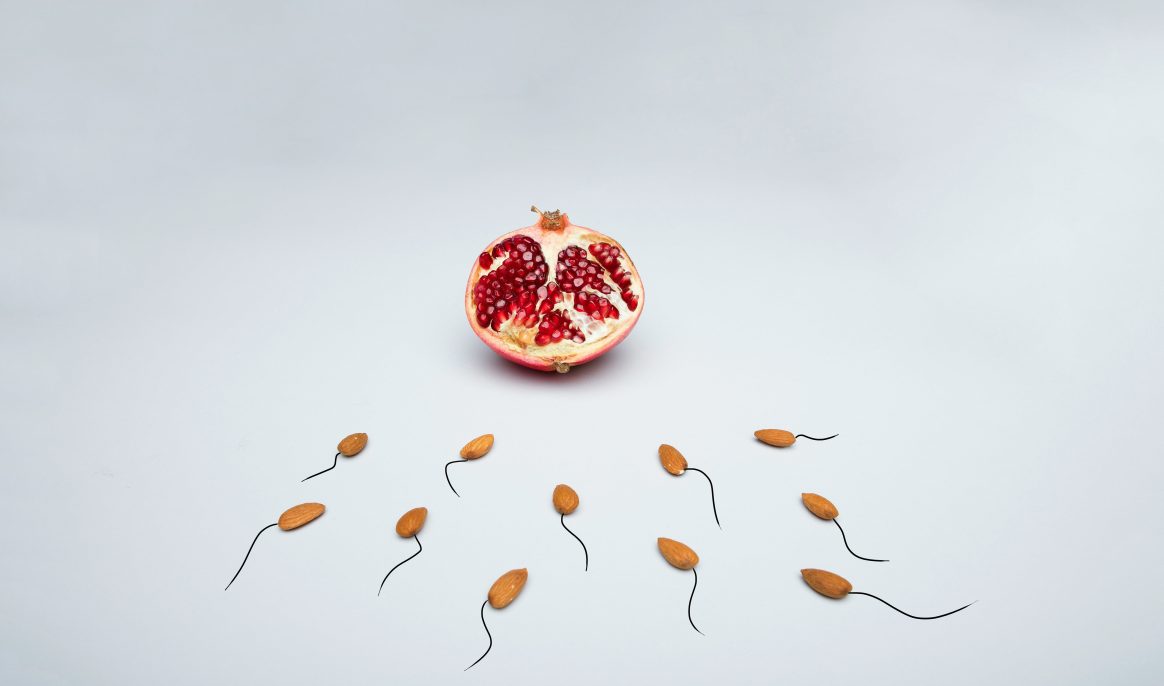
©Deon Black via Unsplash
-
Jul 20, 2026 07:39
Faced with the widespread trend of women having children later in life—due to the need to build a career, economic constraints for some women, and personal life choices—scientists are seeking to slow the natural decline in female fertility.
A team of Chinese researchers has identified one of the major causes of this decline in fertility: the aging of the ovaries themselves. They have identified a process of ovarian tissue stiffening caused by age-related increases in a protein called interleukin-11, which stimulates collagen production.
A successful treatment in rodents
To address this, the scientists developed an experimental treatment capable of blocking this protein. Tested on rodents—mice and rats of mature age (approximately 36 weeks)—the drug yielded impressive results:
- a 36% reduction in ovarian stiffness (compared to untreated animals);
- a conception rate that more than doubled, rising to 50%;
- significantly larger litters, with the average litter size increasing from 3 to 5 pups in mice and from 1 to 5 in rats.
Major impact on women’s health
For Francesca Duncan, a researcher specializing in ovarian aging at Northwestern University (United States), these findings are very promising for humans and could “produce comparable effects in premenopausal women.”
But the significance of this discovery extends beyond the realm of reproduction. In fact, preserving ovarian youthfulness could also help delay menopause and its associated risks (cardiovascular disease, osteoporosis). As Barbara Vanderhyden, an expert in ovarian biology at the University of Ottawa, points out: “Prolonging ovarian function would therefore not only affect a woman’s ability to have children, but could also play a role in healthy aging for women.”
Share: