©Unsplash
-
Aug 06, 2026 10:00
Two millennia ago, in his Naturalis historia (a 37-volume natural history encyclopedia), Pliny the Elder asserted that cinnamon was worth more than its weight in gold and silver.
It's therefore no coincidence that cinnamon was nicknamed “the spice of kings”: its rarity, its exorbitant price, and the exclusive use to which it was put over the centuries made it a luxury item reserved for the nobility, sovereigns, and emperors. The ancient Egyptians used it to embalm the dead; the Greeks added it to wine to treat coughs and fatigue; yet today we use it merely as a simple seasoning, despite the many health benefits associated with it—benefits of which we are often unaware.
During outbreaks of the bubonic plague, wealthy Europeans used cloves, fennel, and cinnamon to scent and purify the air coming in through the windows. They believed these herbs purified the air before it reached the lungs.
Few people know this, but you can also sprinkle cinnamon on small cuts to stop the bleeding. A study published in 2025 on ScienceDirect explored the applications of cinnamon in wound healing in greater depth. The results indicate that the active compounds reduce inflammation, combat microorganisms, support collagen production, promote the growth of new blood vessels, and help skin cells migrate to the site of the injury. This combination of effects can accelerate wound closure, reduce the risk of infection, and promote tissue repair. The field remains to be explored, but the scientific foundation is solid.
In 2023, the recall of several cinnamon-based products due to excessive lead levels brought attention to an often-overlooked problem (we also discussed this in this article). Tests conducted by Consumer Reports in September 2024 on 36 products revealed that 12 brands exceeded the threshold of one part per million—the limit that would trigger a product recall in New York State, the only U.S. jurisdiction to regulate heavy metals in spices.
Contamination can occur naturally, through the soil where the trees grow, or due to industrial emissions. Cinnamon trees are particularly vulnerable: it takes about ten years for them to reach maturity before the bark can be harvested—a period long enough for them to accumulate significant amounts of lead. The risk is higher for children, infants, and pregnant women. Before buying, it’s worth checking the brand.
There are mainly two types of cinnamon found in supermarkets: cassia and Ceylon cinnamon. In North America, cassia predominates, while in Europe and Mexico, Ceylon is more common. The difference isn’t limited to taste.
The key factor is coumarin, a natural compound found in both, but in very different amounts. Cassia contains high levels of coumarin: when consumed regularly and in large quantities, it can be harmful to the liver, particularly in people who already have liver problems. Ceylon cinnamon—also known as “true cinnamon”—contains only trace amounts of coumarin and is the safest choice for frequent or prolonged consumption.
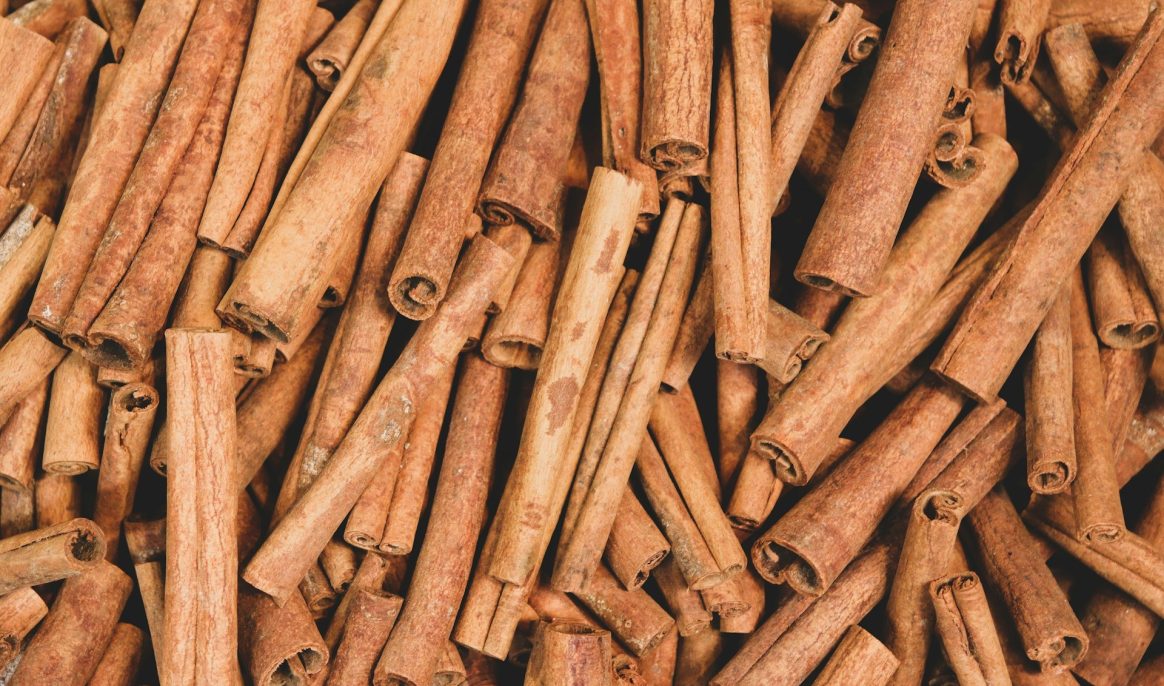
Ceylon cinnamon can be recognized by its lighter, yellowish color, its mild and delicate flavor, and its sticks formed of many thin layers of rolled inner bark. Cassia is darker, with a more intense and pungent taste, and has hard, compact sticks.
According to the American Pharmacists Association, cinnamon has a good safety profile, and up to 6 grams per day—about two teaspoons—can be consumed without any particular risk. Several studies (1, 2) also confirm that this amount is effective for controlling blood sugar levels. However, it should be avoided during pregnancy due to its stimulating effect, and people taking medication should consult their doctor before regularly incorporating it into their diet.
An ancient, versatile spice with much yet to be discovered.
Share: