©Alexandra Smielova via Unsplash
-
Jun 16, 2026 09:21
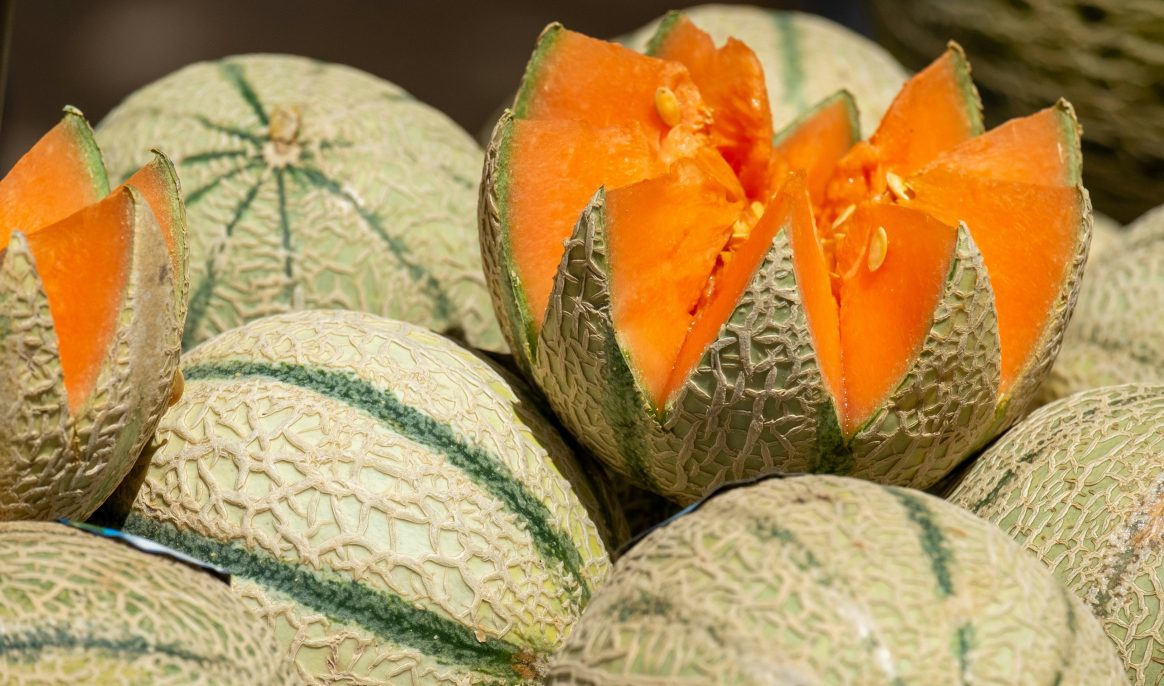
No more unripe or mealy melons: agronomist Daniele Paci reveals the simplest and most reliable method for determining whether a melon is truly ready to eat. The secret? It all comes down to that small area around the stem, which few people know how to “examine” properly.
Whether at the supermarket or at a farmers’ market, choosing a ripe melon is one of those summer challenges that throws even the most seasoned shoppers off balance. And yet, there’s a very simple method that makes all the difference—and once you’ve adopted it, you’ll never go back.
Faced with melon flesh that’s hard, bland, or—conversely—already too soft, the frustration is very real, and it affects everyone. The problem is that the most common methods—sniffing the fruit, pressing the rind, or tapping it—require some experience to interpret correctly and often lead, despite everything, to uncertain results.
The good news is that Italian agronomist Daniele Paci has shared a visual tip on his Instagram profile—one that’s immediate and accessible to everyone—based on a specific biological indicator: the area around the stem.
Here’s what he explains:
“When the melon is ripe, the stem should detach, leaving a ring-shaped scar all around. If there’s no scar and everything is still firmly attached, the melon isn’t ready to eat yet.”
In practice: if the stem has come off naturally, leaving a clear, circular groove around its base, the melon has reached optimal ripeness. If, on the other hand, the stem is still firmly attached, with no sign of separation, it’s best to put the fruit back and look for another one.
This sign is no coincidence: it reflects a genuine physiological process. As it grows, the melon receives water and sugars through its stem. Once ripening is complete, the plant interrupts this flow, and the fruit naturally begins to separate from its stem. This mechanism is known in botany as “abscission.” It is precisely at this moment that the melon reaches its peak of sweetness and juiciness.
Recent studies on the post-harvest physiology of melons confirm that fruits harvested at this stage have significantly higher sugar concentrations (particularly sucrose) than those picked before natural detachment. This isn’t just an old wives’ tale—it’s science applied to everyday grocery shopping.
Of course, this tip works best with patterned melons and cantaloupes, the most common varieties during the summer. These tend to detach spontaneously from the plant when ripe. For smooth-skinned winter melons, such as yellow melons or casaba melons, this detachment is less visible. In such cases, it may be helpful to supplement the method by applying light pressure to the ends of the fruit, which should give just slightly under your fingers.
One final practical tip: if you’re buying a melon to eat the same day, look for a clearly visible scar. If, on the other hand, you’re taking it home to eat in the coming days, you can choose a fruit whose stem is still slightly attached; it will finish ripening at room temperature within a day or two.
Share: