
©Olivia Claire via Unsplash
-
Jun 26, 2026 08:13
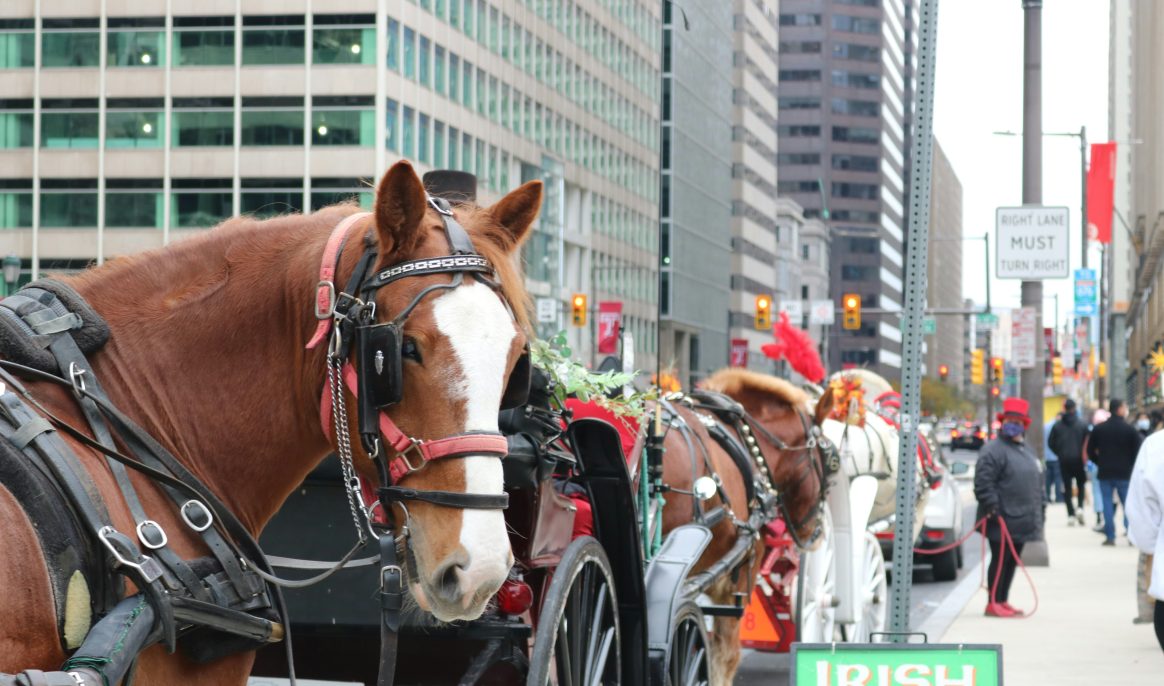
Philadelphia is banning tourist horse-drawn carriages, with fines of up to $1,000 per day. This decision comes amid pressure from animal rights groups, following a tragic accident in Central Park.
The radical decision marks the end of an era for traditional tourism in the United States. The Philadelphia City Council has approved a total ban on horse-drawn carriages, declaring illegal an activity that, for decades, has shaped the streets of Old City. The measure, which will officially take effect on June 26, extends the ban to both commercial and non-commercial operators, targeting the use of horse-drawn carriages, sleigh-style carriages, wagons, and sleds.
To ensure compliance with the new policy, city authorities have imposed extremely severe penalties: a fine of $1,000 (nearly 873 euros) per day for anyone who violates the ordinance. Led by Democratic Councilman Mark Squilla, the measure received nearly unanimous bipartisan support, with the sole opposition coming from Councilman Nic O’Rourke, who expressed concern about the potential impact on film productions.
From the bicentennial boom to the closure of the stables
The introduction of this type of tourist transportation dates back to the 1976 U.S. Bicentennial celebrations. However, the industry was already structurally on its last legs: Philadelphia’s last historic company had ceased operations in 2023, converting the former stables into residential complexes, after its sole competitor had shut down in 2017 due to poor animal welfare conditions. With this decision, Philadelphia officially joins cities such as Chicago and San Antonio, which have already phased out horse-drawn carriages in favor of more sustainable urban transportation that respects animal welfare.
Animal rights groups, led by Janet White, founder of the organization Carriage Horse Freedom, welcomed the decision, calling it a historic civil and moral milestone. According to activists, the coexistence of horses with dense, modern urban traffic created intolerable levels of stress for the animals, while also endangering public safety due to the constant demands of city life.
The Central Park tragedy: Death of an 18-Year-old tourist
The debate over the abolition of horse-drawn carriages has gained dramatic momentum nationwide, partly due to a very serious accident that occurred in the heart of New York City. Romanch Mahajan, an 18-year-old Indian man, lost his life in Central Park after jumping from a horse-drawn carriage traveling at full speed, whose horse, having panicked, was out of control. The coachman had recklessly let go of the reins to take a photo of the young man’s family, who had come to the United States to celebrate his upcoming admission to college.
The victim’s mother fell heavily from the carriage, and the teenager, in a desperate attempt to help her, struck his head violently on the ground before passing away shortly afterward. This is the first fatal accident recorded in Central Park in over 150 years of operation. The incident brings the number of horse-related accidents within the park’s boundaries over the past thirteen months to eight.
New York moves toward a ban: The political stance
The tragedy in Manhattan prompted the Central Park Conservancy and major labor unions to immediately suspend tourist horse-drawn carriage rides. New York City Mayor Zohran Mamdani has expressed his clear intention to work with City Council Speaker Julie Menin to schedule a hearing next month and pass the so-called “Ryder” bill. This bill aims to permanently dismantle the entire industry while ensuring a professional transition for workers.
Why the ban must become global
The shift in Philadelphia’s stance and the tragedy in Central Park demonstrate that nostalgia can no longer come at the cost of bloodshed and animal suffering. The streets of modern cities—clogged with traffic, noise, and scorching asphalt—are the biological antithesis of a horse’s natural habitat. This is no longer a matter of regulations or mere safety protocols: tourist horse-drawn carriages must be banned everywhere, without exception, starting with New York.
Continuing to defend the anachronism of horse-drawn carriages in Central Park in the name of a postcard-perfect romanticism amounts to ignoring a reality marked by stress, repeated accidents, and shattered lives. It's time for the Big Apple to take this step toward civilization, a move already undertaken by Chicago, San Antonio, and Philadelphia.
Share: