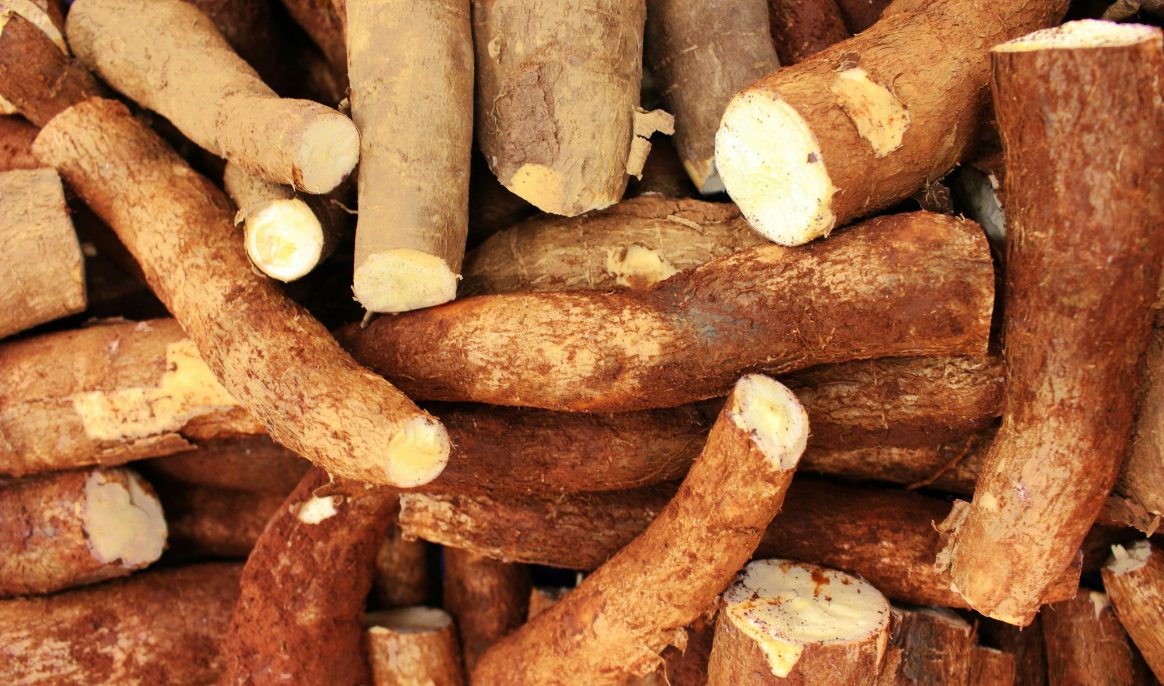
©Daniel Dan via Unsplash - photo d'illustration de racines de manioc
-
Jun 28, 2026 09:11
At age 15, Nigerian high school student Raheema Auwal-Panti has secured a spot in the finals of the 2026 Earth Prize thanks to PantiPads, biodegradable sanitary pads made from agricultural waste to combat pollution and period poverty.
Change can arise from a careful observation of one’s own land and the daily struggles of thousands of women. In Minna, the capital of Niger State in Nigeria, Raheema Auwal-Panti decided to take personal action to combat plastic pollution and period poverty. Aware that traditional single-use sanitary products contain up to 90% plastic and take between 500 and 800 years to decompose, the young student devised an eco-friendly and affordable solution.
In 2025, she launched the PantiPads project, focused on producing fully biodegradable sanitary pads. This initiative—combining eco-design and social empowerment—enabled the young Nigerian woman to rank among the 35 global finalists for the 2026 Earth Prize, awarded by the Swiss Earth Foundation.
From the ecological challenge of cassava to the creation of the prototype
Raheema’s idea is based on the reuse of biomass and agricultural processing residues, particularly from cassava. The fermentation of cassava to produce garri (a local flour) generates waste that can contaminate the soil and groundwater in northern Nigeria. The young woman collects, cleans, and dries cassava peels, banana leaves, and corn husks, transforming these natural fibers into a highly absorbent layer of cellulose that is safe for the body.
This process not only drastically reduces production costs—making the product accessible to the many African teenage girls who miss several days of school each month due to a lack of sanitary products—but it also offers a safe, free of industrial chemicals, for the most sensitive areas of the female anatomy.
A local supply chain and a movement for women’s dignity
Raheema Auwal-Panti’s goal is now to move toward industrial-scale production of her patented product. Although she is still in school, the young woman is building a close network of partnerships with local producers and the business community to master the operational processes and certification standards required before opening her own independent factory.
Through extensive awareness campaigns in schools and presentations at international youth forums, the high school student is advocating for radical policy change, urging African governments to pass laws phasing out synthetic materials in favor of compostable alternatives. For Raheema, PantiPads is more than just a commercial product: it's a true cultural movement, designed to break the social taboo surrounding menstruation and prove that the answers to major environmental crises can already be found in the nature that surrounds us.
Share: