
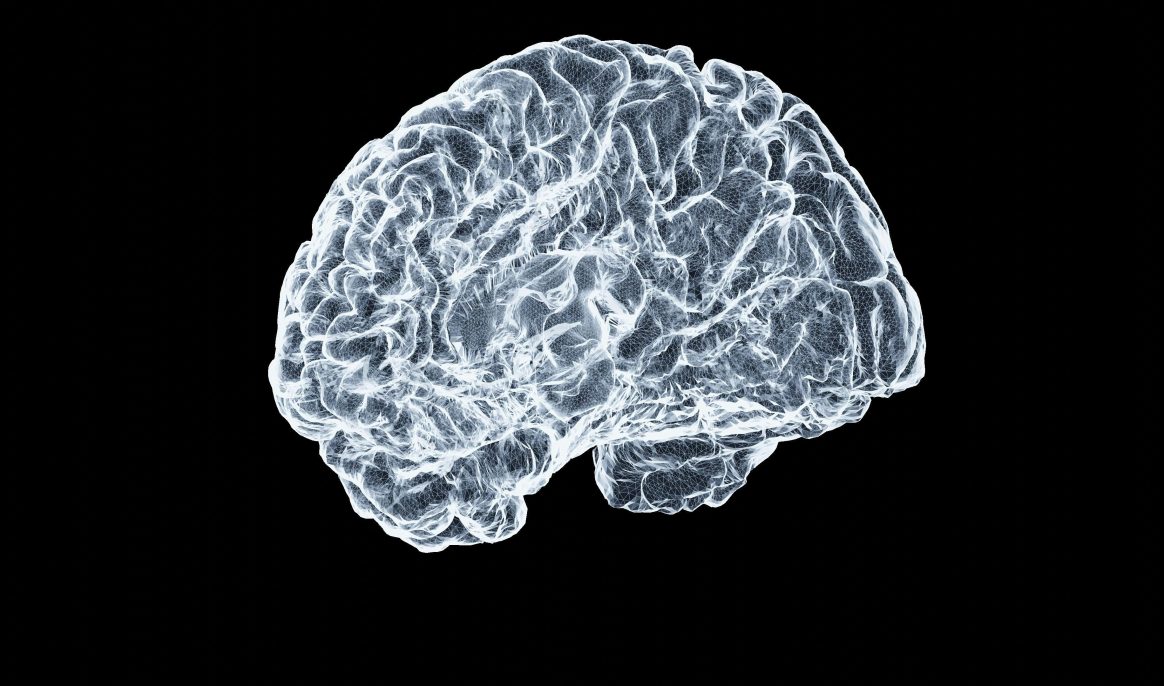
©Shawn Day via Unsplash
-
Jun 03, 2026 07:39
A team of researchers at the University of Cambridge has identified a potential new approach to combating glioblastoma, the most aggressive and common form of brain cancer.
Instead of attempting to eliminate cancer cells directly, the researchers have developed a method for blocking them in place, preventing their spread into healthy tissue. The key to this innovative strategy lies in modifying the extracellular environment in which the tumor develops, rather than in directly destroying the cells.
At the heart of this discovery is hyaluronic acid (HA), a sugar polymer naturally present in the brain, where it plays an essential structural role. The results of the study, published in the journal Royal Society Open Science, pave the way for a new type of non-toxic, less invasive therapy for a disease whose five-year survival rate remains dramatically low: just 15%.
Unlike traditional treatments, which aim to destroy or poison tumour cells, the team led by chemist Melinda Duer has chosen to intervene in the cerebral microenvironment, by modifying the extracellular matrix that surrounds the cells. This gelatinous network, rich in hyaluronic acid, acts like a scaffold that supports brain tissue and regulates cell movement.
Under normal conditions, HA is flexible and adopts shapes that activate specific receptors on the surface of tumor cells, such as CD44, signaling them to move. Using nuclear magnetic resonance (NMR) spectroscopy, the researchers observed that at low concentrations, HA becomes even more flexible, to the point of perfectly adapting to the CD44 receptor and activating invasion mechanisms.
But when hyaluronic acid is chemically rigidified using across-linking technique that blocks its movement, tumour cells become immobilized. They don't die, but stop invading surrounding tissue, as Ms. Duer explains:
"We didn't need to kill the tumor cells; all we had to do was alter their environment. They simply stopped trying to escape."
Why does glioblastoma frequently reappear after surgery?
To test this theory, the team cultured glioblastoma cells in gels containing different concentrations of hyaluronic acid. In the more dilute gels, where the HA was more flexible, the cells activated rapidly and deployed extensions called "invadopodia", which enable them to infiltrate tissues. Conversely, in denser, more rigid gels, cells remained immobile. They were alive, but in a state of quiescence.
This behavior could also explain the frequent recurrence of tumors in areas where surgical removal has been performed. After surgery, postoperative edema often occurs, diluting the extracellular matrix and making the HA more flexible. This phenomenon could reactivate previously dormant tumor cells, facilitating the resumption of the disease.
The turning point in this study came with the introduction of a modified form of HA, called oxidized hyaluronic acid (oxHA). Even in dilute media, this rigidified version of the acid prevented the cells from moving, simulating a dormant state whatever the concentration. According to the authors, it's not so much the molecular weight of HA that matters, but rather its flexibility in binding to the CD44 receptor.
Towards a new form of therapy
This technique represents a radical paradigm shift from conventional treatments. Rather than targeting individual cancer cells with drugs or radiation, we act on the external molecular context, blocking the signals that allow cells to spread.
No one had yet attempted to alter the evolution of a cancer by changing the extracellular matrix around the tumor. This is the first example of a therapy in which the tumour is "reprogrammed" by acting on its environment.
Although the study is still at a preliminary stage and human trials are still some way off, researchers see this approach as a promising alternative for treating solid tumors. This is particularly the case for glioblastoma, on which conventional drugs have little effect.
The great advantage of this strategy lies in the fact that it does not require the drug to penetrate every single tumor cell, a goal often impossible to achieve in solid tumors.
At present, the team is planning tests to verify whether HA rigidification can actually prevent recurrence after surgery. Work is also underway to determine whether other tumor types might respond positively to similar modifications of their extracellular matrix.
The challenges remain: we need to develop safe and effective methods for administering these HA modifiers to the brain, while avoiding side effects and guaranteeing the stability of the effect over time.
Nonetheless, this discovery opens up a fascinating new avenue in the fight against brain cancer, suggesting that, sometimes, simply "tuning" the right molecular environment can turn off the engine of disease.
Tumor cells behave according to what's around them. Changing their environment can mean changing their destiny.
Share: