
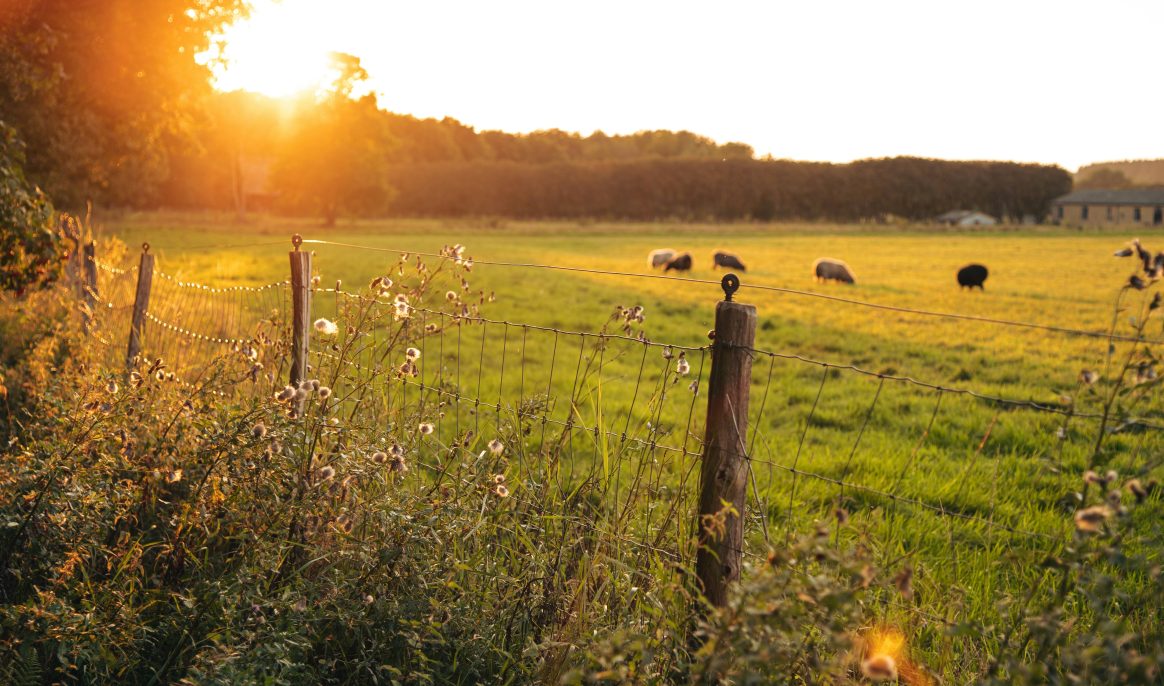
©Artem Shuba via Unsplash - photo d'illustration de la campagne danoise
-
Jun 14, 2026 08:41
Denmark has created a new ministry dedicated to Nature and Animal Welfare: an unprecedented move aimed at strengthening biodiversity protection, expanding protected areas, and addressing issues related to intensive farming.
A shift in perspective that would have seemed unthinkable just a few years ago: Denmark has decided to move beyond the traditional Ministry of Agriculture and replace it with a new department dedicated to nature conservation and animal welfare. A symbolic yet deeply political choice that recognizes the need to place not only production but also the protection of ecosystems and other living species at the center of priorities.
Danish Prime Minister Mette Frederiksen announced this during the presentation of the new government. Since June 3, the country has officially had a Ministry of Nature and Animal Welfare, headed by Christian Rabjerg Madsen, former Minister of the Interior and Housing.
The stated goal is ambitious: to halt the decline in biodiversity, expand protected natural areas, and tangibly improve living conditions for animals.
The new ministry’s mission
The new ministry will be tasked with coordinating and implementing the objectives of the “Tripartite Green Deal,” a comprehensive environmental transformation plan aimed at rethinking the use of Danish land.
Priorities include creating new natural areas, restoring degraded ecosystems, and protecting water resources. The government had already committed to creating numerous nature parks by 2030; it now plans to further expand the network of protected areas, notably by investing in the rehabilitation of vast tracts of land currently used for agriculture.
An additional 3 billion Danish kroner (nearly 401 million euros) has been allocated for the purchase and conversion of hundreds of thousands of hectares of farmland, a sum that reflects the commitment to accelerating the country’s ecological transition.
“The real challenge is not drafting agreements, but implementing them,” explains Ms. Frederiksen. That is why the new ministry will consolidate responsibilities previously spread across various organizations and agencies, with the aim of making environmental policies more effective.
Animal welfare at the heart of the political agenda
The creation of this new ministry is not limited to forests, rivers, and biodiversity. A key part of its mission will be dedicated to animals and their well-being. This decision comes after years of controversy over living conditions in Danish intensive livestock farms, particularly in the pork industry. During the last election campaign, the issue became one of the most hotly debated, with numerous organizations denouncing practices deemed incompatible with respect for animals.
Denmark is one of the world’s largest producers and exporters of pork: approximately 25 to 30 million pigs are raised there each year, a colossal figure relative to the country’s population.
It is precisely this production model that has long been at the center of criticism. In intensive farming operations, controversial practices continue to be reported, such as the docking of piglets’ tails. This tail docking is performed to reduce the phenomenon of “tail biting” (“caudophagia”), a behavior in which animals bite each other’s tails due to stress and their rearing conditions.
The creation of a Ministry of Nature and Animal Welfare represents a step that goes beyond a simple administrative reorganization: it is a sign of institutional recognition that the biodiversity crisis, ecosystem degradation, and our relationship with animals can no longer be considered secondary issues in the face of production imperatives. It remains to be seen whether actions will follow intentions, particularly regarding intensive farming. The political message is already clear: the protection of nature and animals is no longer a marginal issue, but a government priority.
Share: