©Lefteris kallergis via Unsplash
-
Jul 09, 2026 09:15
Plant-based burgers, yes; steaks, no: Europe is reigniting the debate on “meat sounding” and the words that can (or cannot) be used for plant-based products.
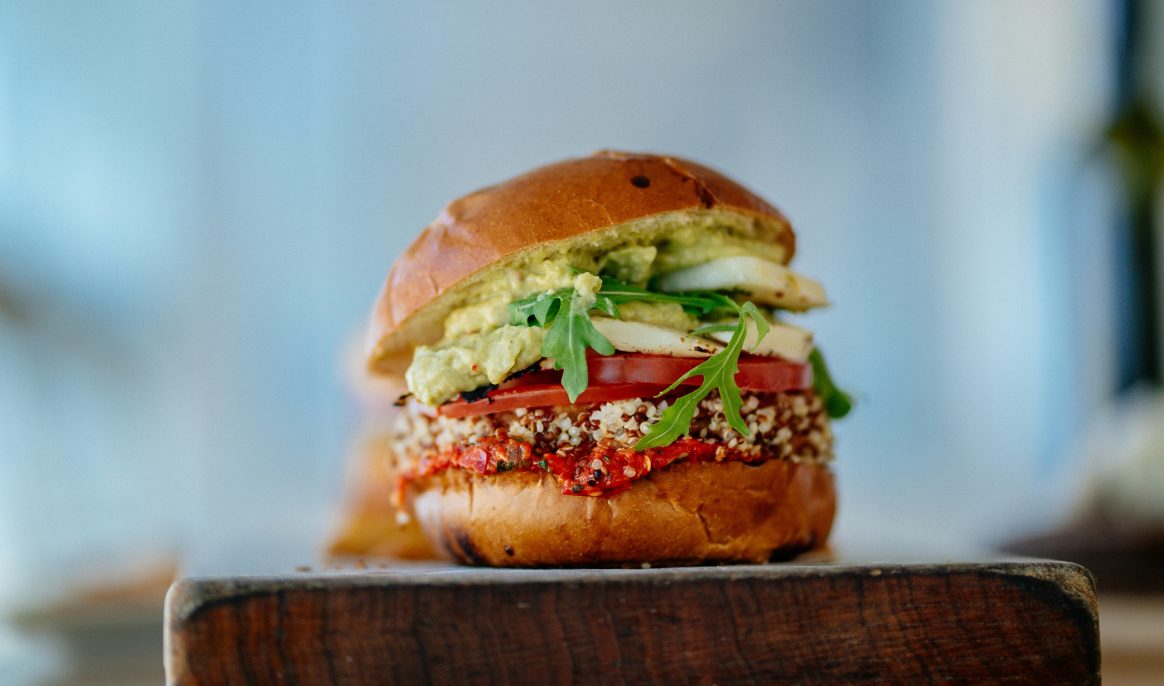
Ultimately, the plant-based burger can keep the name “burger.” The “steak,” on the other hand, cannot. It sounds like one of those barroom debates, and yet the topic has been on the agenda for years at institutional meetings, parliamentary committees, agri-food lobbies, and environmental organizations. This is what’s known as “meat sounding”—a battle over terminology surrounding plant-based products that, due to their shape or use, resemble meat-based products.
The latest chapter is unfolding in Brussels, where, after months of negotiations, a compromise has emerged: certain names considered descriptive of the method of preparation (such as “hamburger,” “burger,” or “sausage”) may continue to be used for plant-based products, while terms directly associated with meat or its cuts—such as “steak,” “fillet,” “bacon,” “ribs,” or “thigh”—remain prohibited.
Thus, European consumers can still buy a chickpea burger, but not a pea steak. This is presented as a consumer protection measure. Some people might be misled—seeing “plant-based burger” and thinking it refers to beef.
But is that really the case?
In recent years, the Court of Justice of the European Union has ruled that a reasonably well-informed consumer is perfectly capable of distinguishing a plant-based product from an animal-based product when the labeling is clear. For this reason, it has rejected national attempts—such as France’s—to impose a blanket ban on terms like “burger” or “steak” for plant-based foods.
It’s hard to imagine anyone buying a package that says “plant-based burger” in capital letters—decorated with leaves, legumes, and vegan labels—and being convinced they’re taking home a ribeye steak. Moreover, no one seems to have ever raised an alarm over “chocolate sausage,” “almond milk” as used in everyday language, or “peanut butter.”
Thus, reducing the debate to a mere linguistic issue would be naive. Behind “meat sounding” lie enormous economic interests: on the one hand, the European livestock industry is seeing the market for alternative proteins grow (albeit slowly). On the other, companies and startups are trying to make products—often perceived as new or far removed from traditional dietary habits—more familiar to consumers. In this context, words have become a veritable battleground.
For meat producers, reserving certain terms for animal-based products means defending the identity, tradition, and commercial value of their industries. For the plant-based sector, on the other hand, using words already understood by the general public facilitates the adoption of foods whose environmental impact is generally lower than that of animal proteins.
Is this really an urgent priority?
Brussels continues to devote a surprising amount of energy to a semantic dispute, even as the European food system faces far more significant challenges. The climate crisis, biodiversity loss, food security, dependence on animal feed imports, and the need to reduce agricultural emissions seem like far more urgent issues than the fate of the word “steak.”
And yet, the issue keeps resurfacing periodically on the agenda of European institutions. So much so that in 2025, some amendments even proposed banning terms like “burger” and “sausage” for plant-based products, before the proposal stalled during subsequent negotiations.
In reality, the success of plant-based products will not depend on the name printed on the packaging. It will depend on taste, price, nutritional quality, and the ability to meet consumer needs.
That is why the “meat-sounding” debate risks looking more and more like a symbolic battle—a discussion over vocabulary that ultimately obscures the most important issue: how to make the European food system more sustainable, more resilient, and more accessible.
Source: Council of the European Union
Share: