
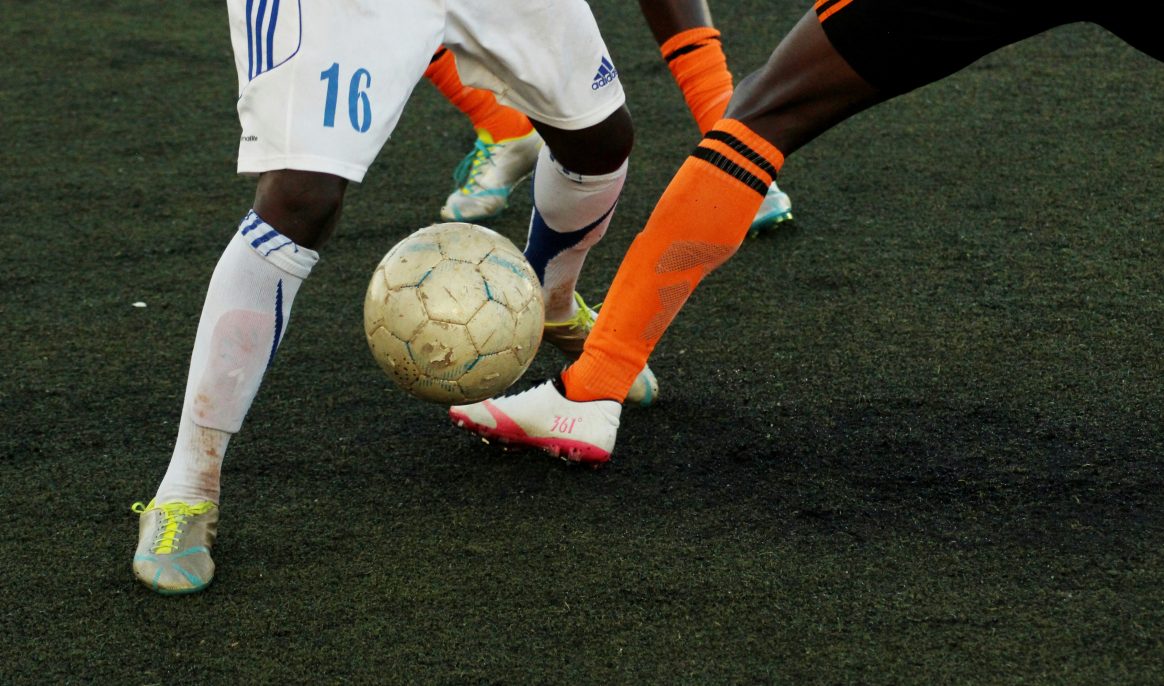
©Jannik via Unsplash
-
Jul 07, 2026 09:11
Richard Menger, an American soccer fan and neurosurgeon, is using the 23rd World Cup—taking place in Mexico, Canada, and the United States—as an opportunity to analyze a phenomenon that many find “exasperating”: feigning injuries.
In an op-ed for Forbes, the football enthusiast laments the theatrical behavior of elite athletes who don’t hesitate to collapse at the slightest touch. “It’s a recurring issue that spoils the show: the epidemic of feigned injuries,” says the scientist.
While a 2014 study shows that this practice annoys 83% of fans (who describe it as a “major source of annoyance”), the doctor denounces the absurdity of these players writhing in agony on the ground… only to get back up and sprint again a few seconds later. “These aren’t injuries. It’s performance art—cheating disguised as competition, ” he asserts.
A strategy that harms the sport
Although banned by FIFA and punishable by a yellow card, simulation remains extremely widespread. In 2010, a study revealed that only 7% of “injuries” among male football players were genuine. In a sport with close scores, tactical advantage all too often trumps fair play: the goal is to earn a free kick, provoke a foul and a card, disrupt the flow of the game, or even waste time.
Yet the consequences of these theatrical performances extend far beyond the game itself. “This isn’t harmless acting. It wastes the referee’s time, disrupts the flow of the game, and—what’s most frustrating from a doctor’s perspective—undermines credibility when real injuries do occur,” says the neurosurgeon.
The contrast with rugby
But why is this culture so deeply ingrained in soccer when it’s absent in rugby—a sport where the injury rate is 2.7 times higher? In rugby, if there is one moral rule that prevails, it's to face the challenge, get back up, and keep playing.
Given the scale of the problem, video reviews and FIFA warnings remain insufficient in Richard Menger’s view. “Real injuries deserve respect and proper medical care. Faked injuries waste everyone’s time and undermine trust.” According to the expert, for the sport to be successful, soccer must absolutely regain its authenticity.
Share: