©Jess Varga via Unsplash
-
Jun 18, 2026 17:01
In recent years, architectural and interior design trends have rediscovered the importance of the transition zone between the outdoors and indoors, recognizing it as a true sanitary and functional filter.
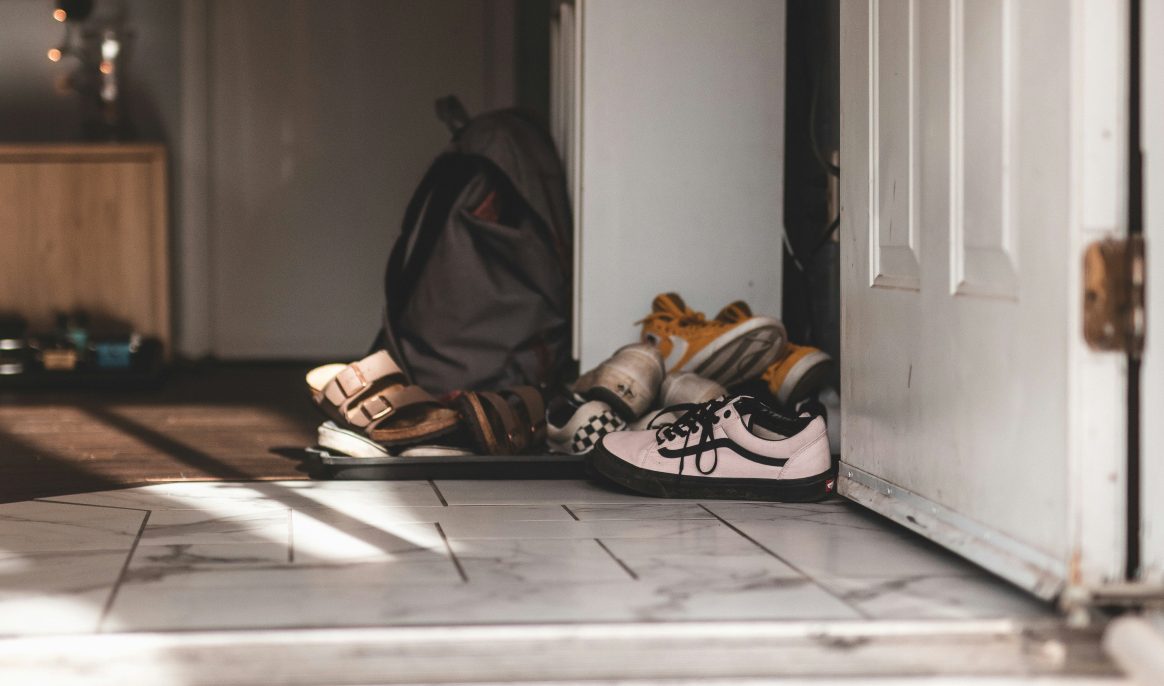
Optimizing this space—for example, by installing a sturdy, spacious shoe cabinet or a bench—allows you to rethink daily cleaning routines, turning a simple gesture into a healthy family habit. Leaving outdoor shoes at the threshold not only preserves the condition of the floors but also represents a conscious effort to protect the hygiene of living spaces, thereby reducing the introduction of elements that can harm the body.
A barrier against contaminants and bacteria
Shoe soles act as carriers of pathogens, fine particles, and allergens accumulated on sidewalks or in public spaces.
Walking indoors in the same shoes worn outdoors automatically transfers toxins, chemical residues, and potentially harmful bacteria to high-traffic surfaces. This is particularly critical in homes with young children, who often play on the floor, or pets, which are constantly in direct contact with the floor.
Choosing to block these contaminants right at the front door helps create a healthier and cleaner indoor environment. Reducing airborne dust and volatile allergens provides immediate relief for the respiratory system, limiting the household’s exposure to germs and unwanted substances.
Preserving surfaces and optimizing time
Beyond the undeniable benefits for household health, adopting this practice positively impacts the long-term maintenance of flooring.
Constant foot traffic with stiff or dirty soles accelerates wear on delicate surfaces such as solid wooden floors, resin floors, or precious marble, and compromises the stability of fibers in rugs and carpets. Eliminating the friction caused by abrasive debris and small pebbles helps preserve the luster and integrity of original materials, reducing both the cost and frequency of renovation work.
At the same time, an environment that isn’t constantly exposed to dirt brought in from the street requires less effort in terms of daily cleaning, and therefore allows you to make the most of the time spent on household chores.
Comfortable and functional furniture
To establish this habit, the entryway must be designed and furnished with the utmost care, providing residents and guests with elements that combine comfort and functionality.
A shoe cabinet with clean, balanced lines forms the centerpiece of this micro-space, offering flexible solutions for storing shoes in an orderly and discreet manner. It’s a good idea to pair this with a comfortable bench or a stylish stool, which makes it easier to take shoes off, as well as a set of useful accessories such as coat hooks and key holders.
This configuration, which is both formal and efficient, not only preserves the visual clarity of the home but also implicitly and naturally encourages guests to do the same, setting a new standard for hospitality centered on well-being and attention to detail.
Share: