
©Aakash Dhage via Unsplash
-
Apr 01, 2026 02:30
There comes a moment when your body stops pretending that nothing is wrong. This doesn's happen all of a sudden, but with small, recurring signals: slower digestion, recurring bloating, a fatigue that won't go away, a mood that's more brittle than usual. We often brush these signals aside as isolated problems, linked to stress or age. But increasingly, science is pinpointing a very concrete place where all these signals converge: the gut.
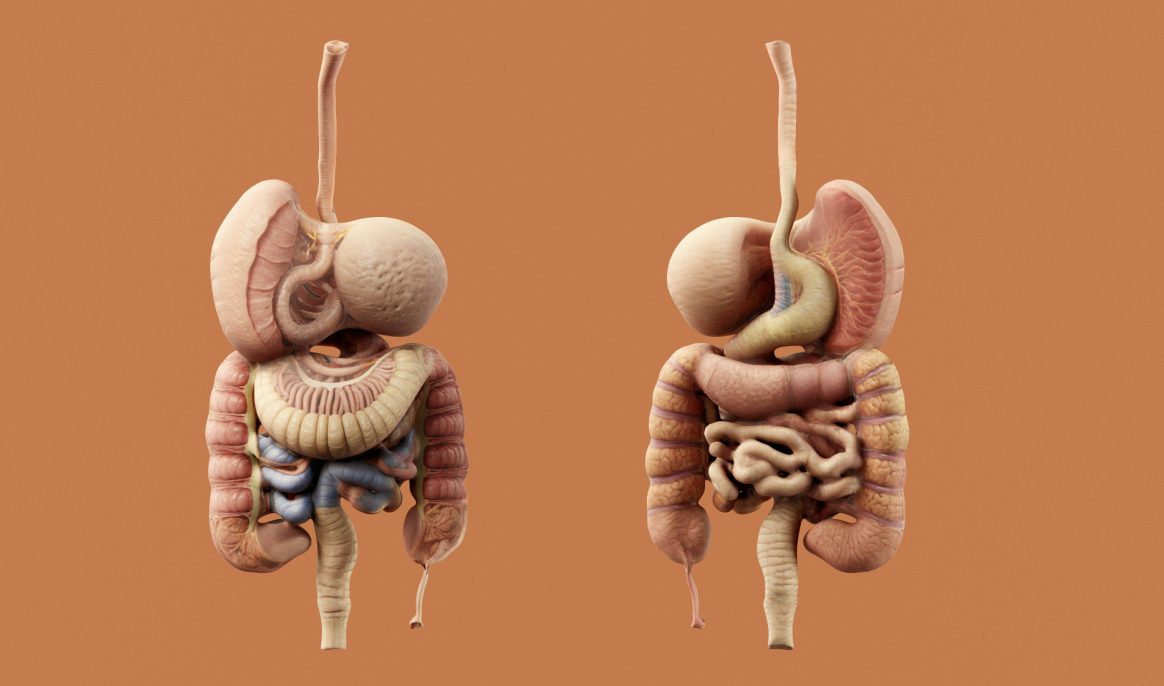
The gut isn't just the place where we digest our food. We know today that the gut is a control center, a system that constantly communicates with the rest of the body, so much so that it has been called, without exaggeration, our second brain.
The idea that gut and brain are connected does not come from a passing health craze. It was thoroughly explored in one of the most authoritative scientific reviews of recent years, published in 2021 in Nature. The authors clearly describe the existence of a gut-brain axis, a true two-way line of communication.
At the heart of this dialogue is the gut microbiome, a set of microorganisms that populate our intestines. They are no simple passengers: they interact with the immune system, influence metabolism and interact with the nervous system. Several experimental studies found that when the composition of the microbiome changes, stress response, mood and some cognitive functions also change along with it.
However, the same researchers caution against simplification. Much of the data comes from animal studies, which are essential for understanding biological mechanisms but are not always translatable to human complexity. This is an important point because it corrects a common misunderstanding: the microbiome does not determine how we feel alone, but it's part of a larger system, in which nutrition, genetics, environment and stress all play a role.
It is precisely this balanced approach that makes the message stronger. This is not a quick route to wellness, but a new way of looking at health which also helps to better understand certain neurological and psychological vulnerabilities.
The gut in everyday life
That link becomes very concrete when looking at our every day life. A gut in balance not only works to prevent bloating or slow digestion, but also supports mental energy, concentration and the ability to cope with stress. When that balance is disturbed and the imbalance persists for a long time, low-grade inflammation can develop, silent but capable of weakening the entire body.
According to surgeon and colorectal surgery specialist Rajnish Mankotia, the gut houses billions of essential microorganisms, not only to absorb nutrients, but the proper functioning of the immune system as well. This is a thought underscored by family physician Donald Grant, who recalls that about 70% of our defenses are located in the gut.
Yet we often continue to feed our gut in a very one-sided way. We almost always eat the same thing week after week, limiting the very variety that the microbiome needs as nutrition. It's an easy, familiar habit, but not very forward-looking, especially if it drags on for years.
Less quick fixes, more continuity
When talking about the gut as a second brain, the temptation is to look for a quick fix. The right supplement, the superfood of the moment, the rigorous diet. In reality, research shows something much more emphatic, much less spectacular but all the more concrete: reduce daily inflammatory stimuli and support long-term balance.
In science, a tool used for this purpose is the Dietary Inflammatory Index, an instrument that measures the inflammatory potential of our diet. As physician Giuseppe Aragona explains, even small changes, sustained with regularity, can have a real effect, without having to change your entire life.
Like the brain, the gut doesn't like extremes. It responds better to regularity, variety and a lifestyle that includes underrated factors such as sleep and stress management. Sleeping too little or being under constant stress disrupts communication along the gut-brain axis and makes the system more vulnerable.
Perhaps the key is not to do more, but to learn to listen better. The gut as a second brain works every day, silently, to maintain a balance we often take for granted. Recognizing what the gut does means we no longer treat it as a detail, but see it for what it is: one of the least visible, but most defining pillars of our health.
Share: