©Manki Kim
-
Apr 03, 2026 15:00
In recent years, hibiscus tea has been popping up in Belgium and the Netherlands as well many other countries, and is often associated with a healthy, environmentally conscious lifestyle. Hibiscus tea is not an exotic novelty or a miracle drink,' but an infusion of the dried calyces of Hibiscus sabdariffa, which has long been drunk in various parts of the world and is also known as karkade. Interest in the tea in question is related to its simplicity and natural composition, which - if you regularly include the drink in your dietary pattern - can support your daily well-being.
How to make karkade from hibiscus flowers
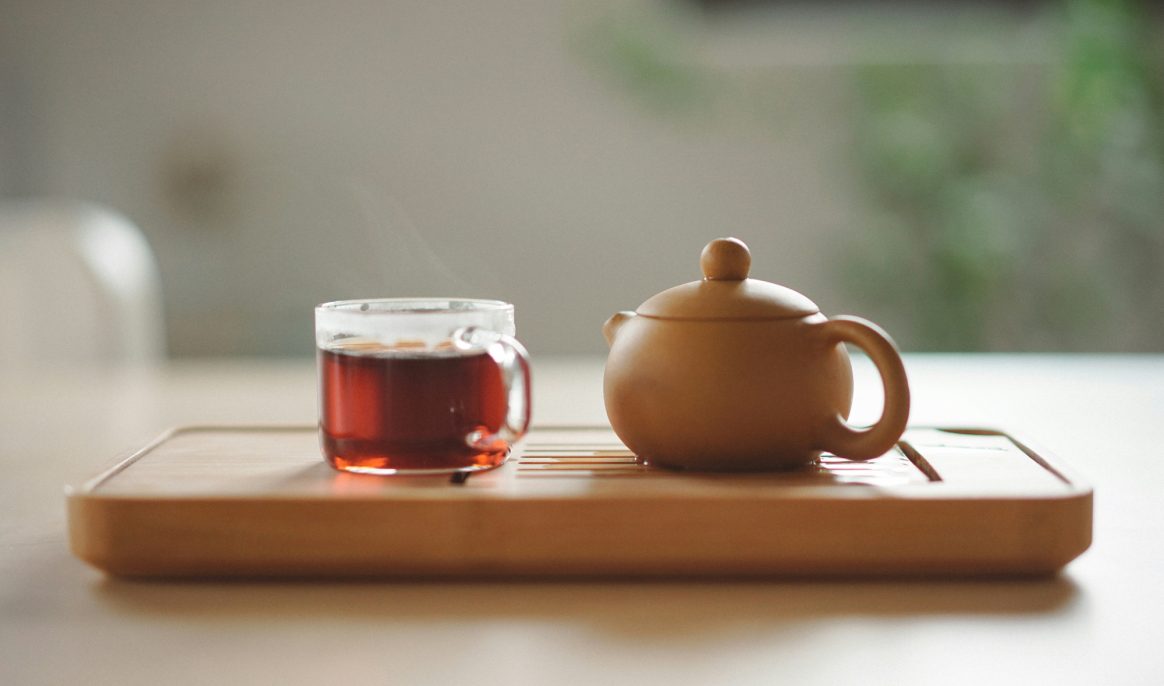
Hibiscus tea is prepared by steeping the flowers in hot or cold water. The result is a drink with a deep red color and a slightly sour taste, which is appealing precisely because it's different from classic sweet herbal teas. There's no complicated ritual involved for making it and you can drink it throughout the day, even chilled, as an alternative to sweetened or industrially flavored drinks.
Effects on heart and blood vessels
Its positive effect on the heart and circulation has been extensively studied. This is because the natural dyes in hibiscus are antioxidants that help counteract oxidative stress. Regular use of the infusion is associated with better control of blood pressure and reduced absorption of LDL cholesterol. It does not replace medical treatments or interventions, but can fit into a lifestyle aimed at prevention.
A possible support for cognitive functions
Some plant compounds in hibiscus are also of interest because of their effect on the nervous system. The anti-inflammatory effects seem to involve the brain as well and, according to some studies, could help maintain memory and cognitive functions in the long term. The effects are gradual, having more to do with regularity than immediate results.
Defense system and antioxidants
Hibiscus tea provides vitamin C and flavonoids, substances useful for supporting the immune system. Incorporating the drink into your daily routine, especially during periods of seasonal transition, helps your body cope better with environmental stress. Again, you need to see the potential benefit as part of a broader picture that includes varied diet and a balanced lifestyle.
Digestion and gut wellness
Another interesting aspect regards the gut. The bioactive compounds in hibiscus seem to promote the balance of the microbiome and contribute to the protection of the stomach lining. People who drink the infusion often report a feeling of lighter digestion, without aggressive side effects.
A drink for those who want to cut down on sugar and calories
If you drink hibiscus tea without sugar or with minimal sweeteners, the calorie content is very low. This makes it a suitable choice for those who want to drink less sweetened soft drinks without compromising on taste. Some studies are additionally investigating its possible role in supporting metabolism.
Allergies and inflammation
There is preliminary evidence that hibiscus may help modulate the body's allergic response. The impact of the tea, if applicable to your body, seems to be particularly useful in people who use it fairly consistently, even before periods when symptoms tend to worsen.
Kidneys and urinary tract
Hibiscus tea is known for its natural diuretic effect. It promotes the excretion of excess fluid and may support kidney function. Some studies have observed improvements in specific parameters associated with kidney health, indicating a possible supporting role, always within the framework of a healthy lifestyle.
High blood pressure
Several studies, most notably a 2004 study, have looked at the effectiveness of hibiscus on hypertension, comparing the infusion to captopril, a chemical which is used as a drug for hypertension. In the long term, hibiscus sabdariffa extract was found to be more effective than the drug on all subjects studied who had elevated diastolic and systolic blood pressure. This is due to its vasodilatory action and ability to inhibit the absorption of calcium ions. And it looks like 3 cups a day is enough to significantly lower blood pressure!
Hibiscus tea need not be presented as an extraordinary solution. It's a simple, accessible beverage that can find its place in the daily lives of those looking for natural and sustainable alternatives. Rather than promising quick results, it guides long-term conscious choices, in line with a down-to-earth and concrete idea of well-being.
Share: