
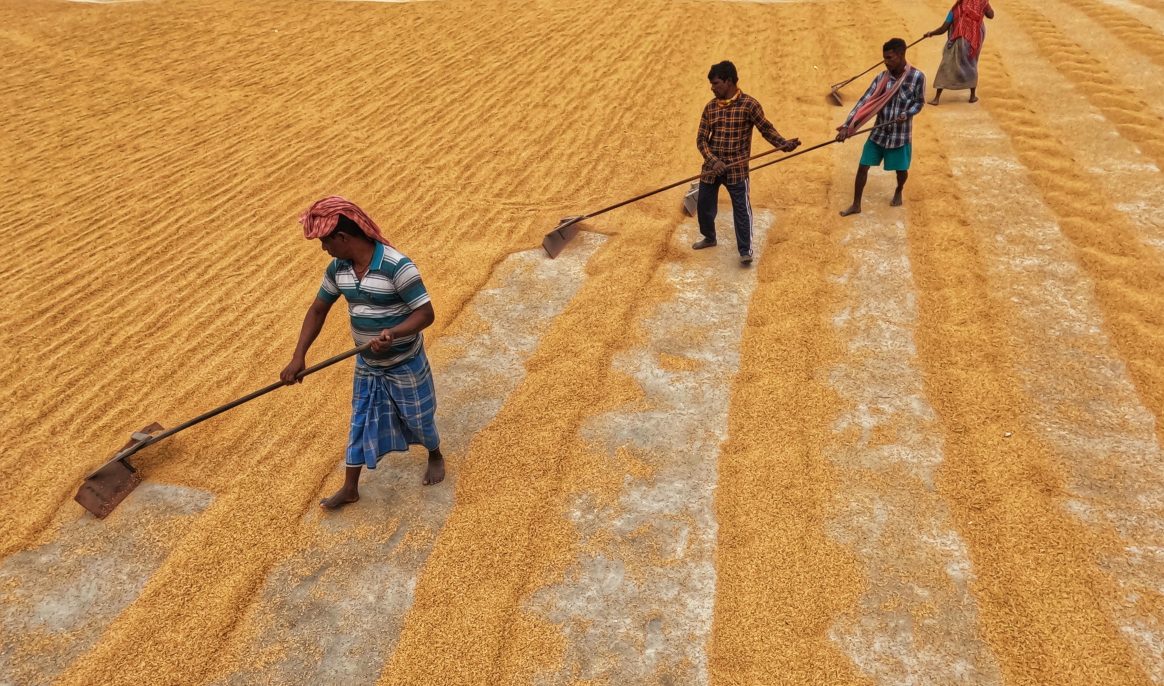
©Dibakar Roy via Unsplash
-
May 08, 2026 14:00
Labor Day is celebrated around the world on May 1, but how many people really know the often dramatic story behind the date?
It's not just a public holiday: it's the result of struggles, bloodshed and social conquests that have changed the way we work forever. Here's everything you need to know about the origins of this day and why, today more than ever, it's worth remembering.
The origins of Labour Day
It all began in Australia in 1855, when Melbourne's construction workers coined a motto that was to spread around the world: "Eight hours work, eight hours play, eight hours sleep". A simple but revolutionary formula, at a time when days could last from 14 to 16 hours, without protection or rights.
This demand crossed the oceans and found fertile ground just about everywhere in the world. But it wasn't until 1889, during the congress of the Second International in Paris, that the idea was born of organizing a major international workers' demonstration, coordinated on a symbolic date, for the first time in history.on a symbolic date, to demand - with strength and unity - the legal reduction of working hours to eight a day.
The date chosen was May 1. And it wasn't by coincidence.
Three years earlier, on May 1, 1886, Chicago had been the scene of one of the largest labor mobilizations in American history. Tens of thousands of workers had peacefully taken to the streets. But in the days that followed, tensions exploded: police opened fire on demonstrators gathered outside the McCormick factory, killing four.
The next day, during another demonstration in Haymarket Square, an unknown man threw a bomb at the police. Police and civilians were killed and injured. Arrests, summary trials and death sentences for anarchist unionists followed, in what history will remember as the Haymarket Massacre. That May 1st in Chicago became forever the symbol of the workers' struggle for dignity and rights.
May 1st today: why it's still relevant
In 2026, the world of work is undergoing profound transformations. Artificial intelligence is reshaping whole swathes of the economy, telecommuting has shifted the boundaries between private and professional life, and new forms of precarity, from bicycle delivery drivers to digital platform workers, raise urgent questions about how to update the rights conquered in the last century.
According to data from the International Labour Organization (ILO), over 160 million children worldwide are still involved in child labour, and millions of adults remain deprived of any form of social protection.
Celebrating May 1st is not just about looking back. It means recognizing that defending workers' rights is a constantly evolving process, requiring attention, participation and awareness. Every generation has its own battles to fight - and knowing those who have gone before us is the first step in ensuring that we don't lose what has been conquered.
Share: