
©National Cancer Institute via Unsplash
-
May 09, 2026 08:35
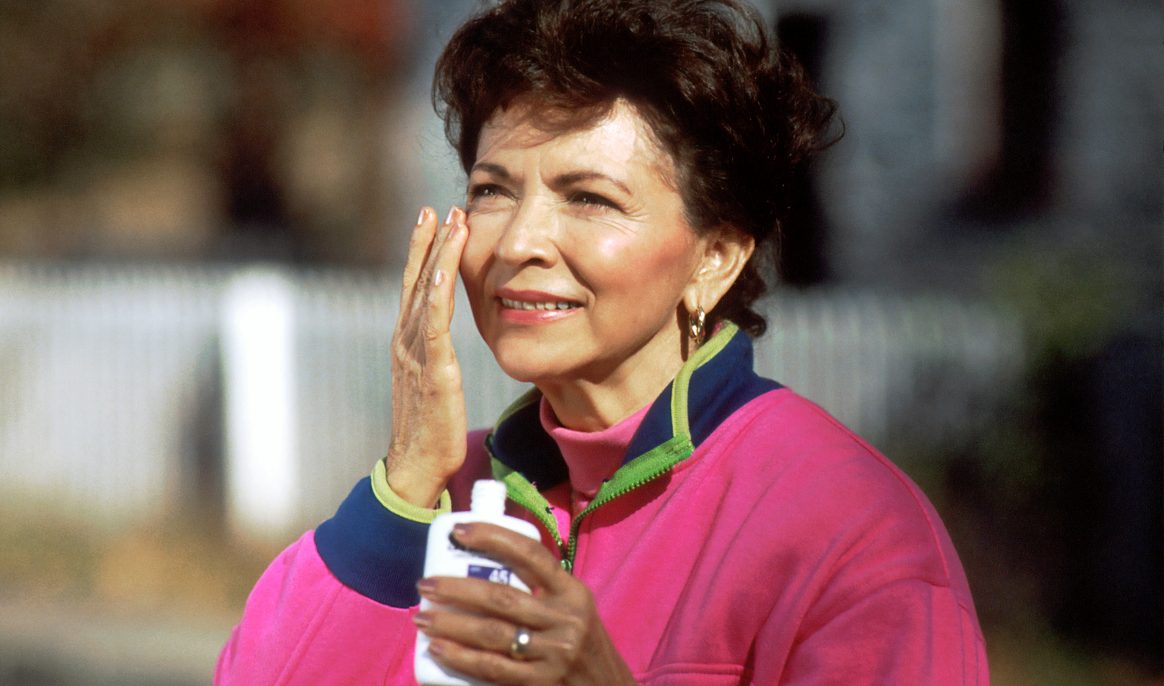
Wearing sunscreen isn't enough. On the contrary, in some cases, it can even encourage us to let our guard down. This lies at the heart of what experts call the "sun protection paradox", a psychological mechanism, even before being biological, that risks transforming a preventive tool into a false sense of security.
The subject comes to the fore every year with the arrival of the warm weather, and is at the center of an increasingly complex scientific debate, backed up by international studies and behavioral analyses.
The problem is not sunscreen itself, which remains one of the most effective ways of protecting against UV rays, but the way it is used, and what it leads us to believe we can afford.
Some research, including a UK Biobank-based study published in Cancer Epidemiology, Biomarkers & Prevention, has highlighted an intriguing fact: people who claim to use sunscreen regularly are also those who expose themselves to the sun most often, and have a higher incidence of melanoma.
A result which, at first glance, seems counter-intuitive. But the authors themselves urge caution: this is not a cause-and-effect relationship. Other factors come into play, such as longer voluntary exposure, lighter skin or simply a higher probability of early diagnosis. In other words, it's not the cream that's the problem, but a series of other factors.
Risk compensation: apply cream and feel invincible
To explain this phenomenon, specialists refer to a well-known concept in behavioral epidemiology: "risk compensation", i.e. the tendency to expose oneself more to danger when one feels protected. It's the same mechanism that leads us to drive faster when wearing a helmet, or to be less attentive at the wheel because we're wearing a seatbelt.
In the case of sun protection, the risk is similar: we slather on the cream and prolong exposure, forget to reapply or underestimate the most critical times of the day. A dynamic confirmed by qualitative studies analyzed by McGill University, according to which sun cream can indeed modify outdoor behavior.
Dr. Ivan Litvinov, Professor of Dermatology at McGill University and author of two studies on this paradox, describes sunscreen as a veritable "carte blanche for tanning".
"People think they're protected against skin cancer because they're using a product marketed to prevent it," he explains, "It gives them a false sense of security."
To study the phenomenon on the ground, Dr. Litvinov and his colleagues conducted 23 focus groups in Canada's Atlantic provinces - regions where melanoma rates are among the highest in the country. The result was paradoxical: participants were more aware of sun-related risks than average, used more sun protection and monitored the UV index. And yet, they remained exposed longer, buoyed by milder temperatures and a propensity for outdoor activities.
Despite the debate, the scientific consensus is solid on one point: sunscreen does not increase the risk of skin cancer. Leading international dermatological organizations, including theAmerican Academy of Dermatology and theWorld Health Organization, reiterate that UV filters are an essential element in the prevention of melanoma and other skin cancers.
Yes, but how?
The real question is not whether to use sunscreen, but how to integrate it into a broader protection strategy.
If the "paradox" exists, it's precisely because cream is often misused, and we rely on a single barrier. More and more prevention campaigns are putting the spotlight back on an often neglected element: clothing. Not as an alternative to cream, but as the first line of defense.
Unlike cream, clothing doesn't wash off with perspiration, doesn't lose its effectiveness after two hours, and doesn't require a reminder to be "reapplied". It's a silent, constant protection that doesn't depend on our vigilance at the time.
In concrete terms, the experts recommend : opt for light but covering clothing (long-sleeved linen or cotton shirts), choose dark or bright colors that filter UV rays better than light shades, protect your eyes with sunglasses fitted with an anti-reflective coating.wear a wide-brimmed hat, and look for the UPF 50+ label on clothing with certified protection.
Sunscreen remains indispensable. But effective prevention is based on a set of habits, not a single gesture. And some of these habits, like the choice of clothing, are simpler - and more reliable - than they appear.
Source : McGill University
Share: