
-
May 19, 2026 15:00
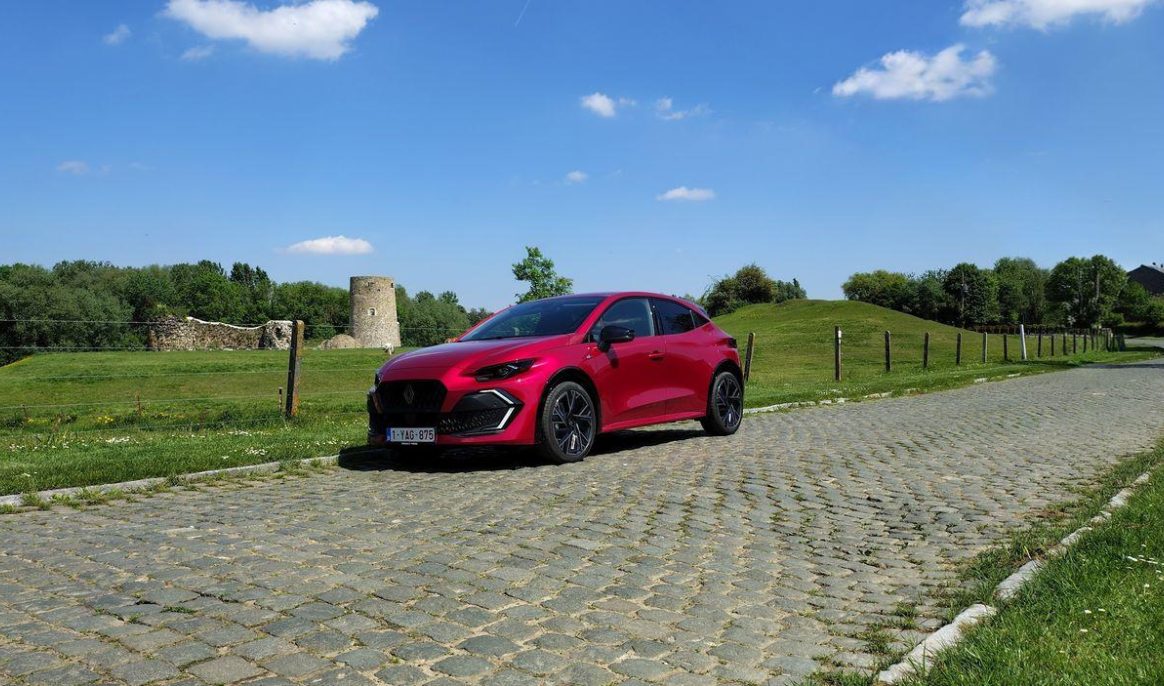
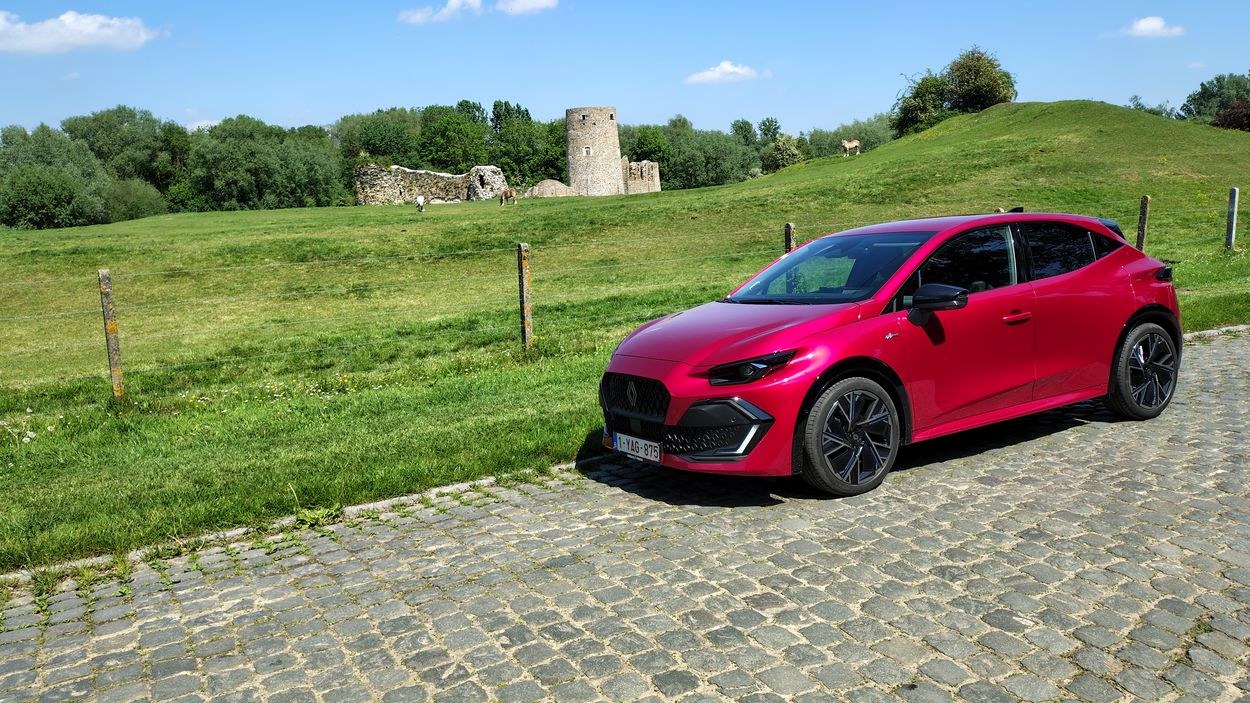
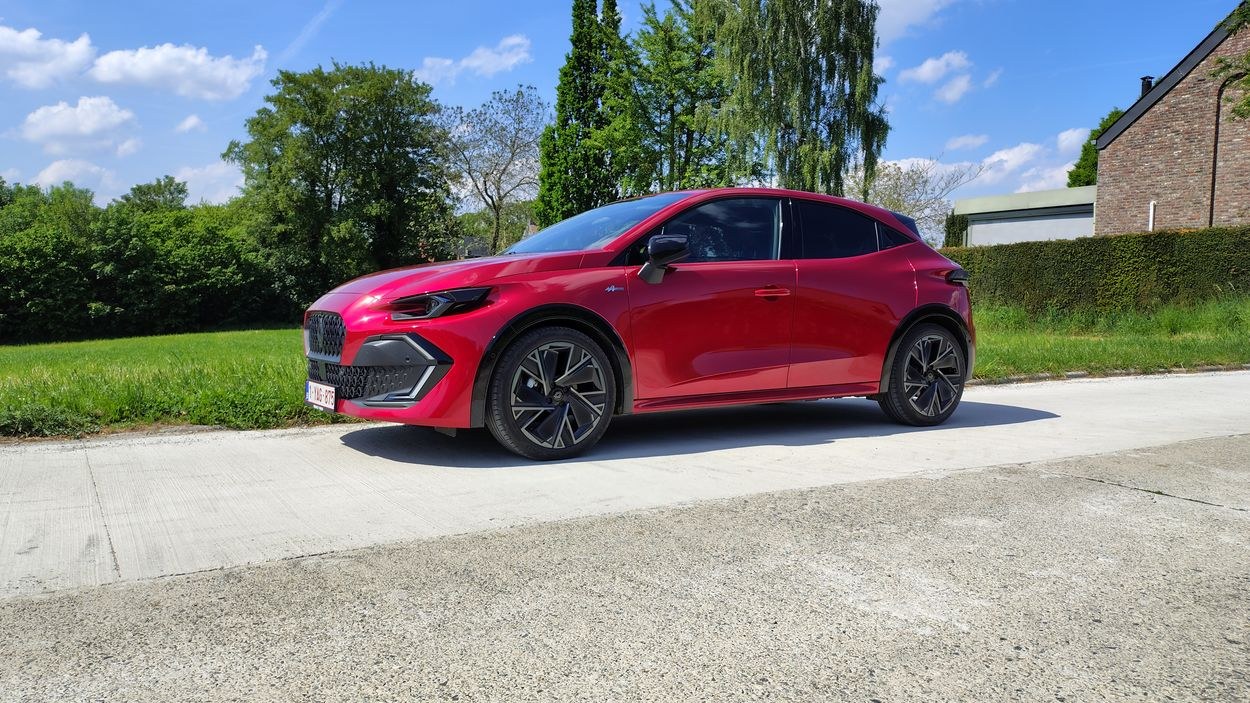
The Clio! Everyone knows it, even those for whom the automotive world is an unknown universe. At the end of 2025, Renault launched the 6th generation of its famous all-purpose city car (17 million units sold). A line with a more aggressive look, and more ambitions for comfort in a higher segment. Check it out on Belgian roads with the Esprit Alpine variant featuring the 158 hp E-Tech hybrid engine.
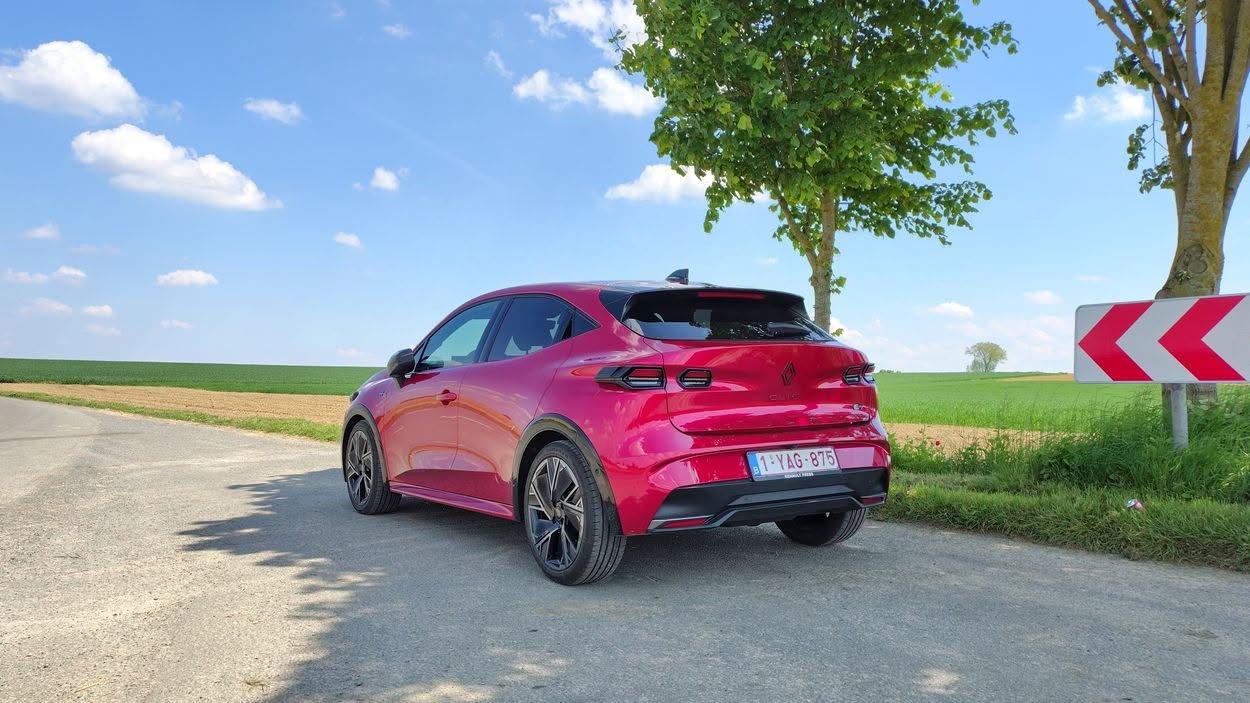
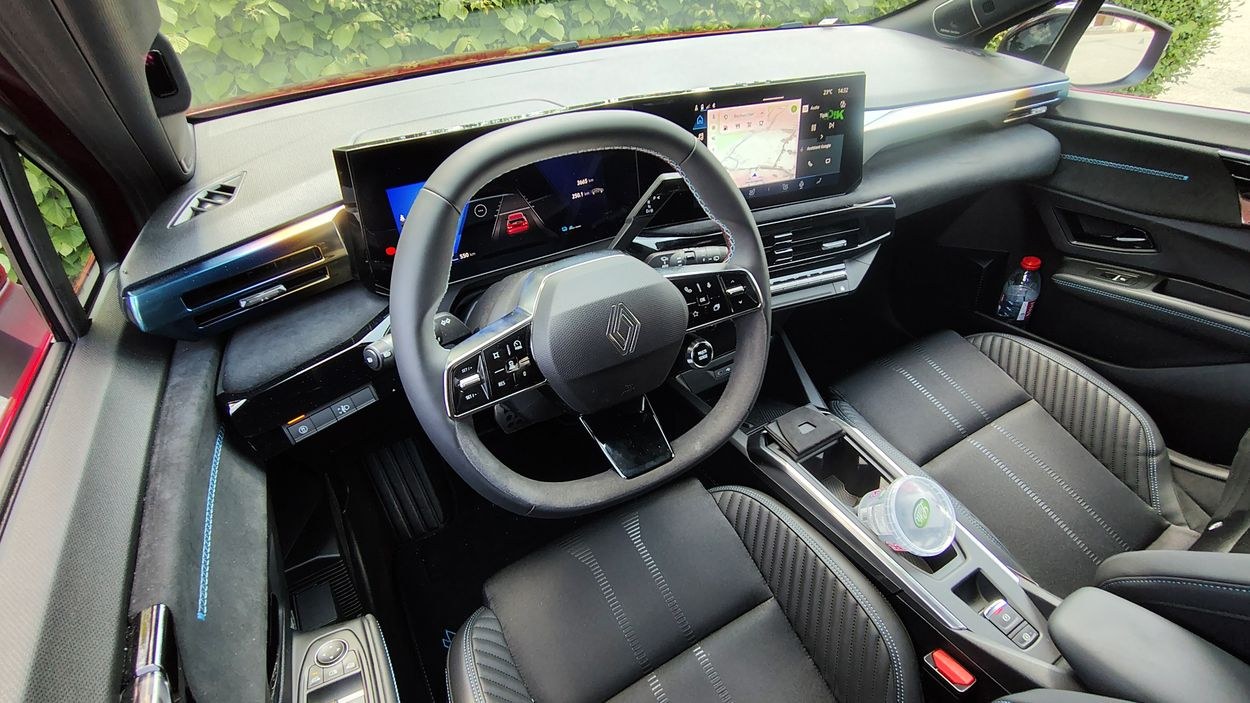
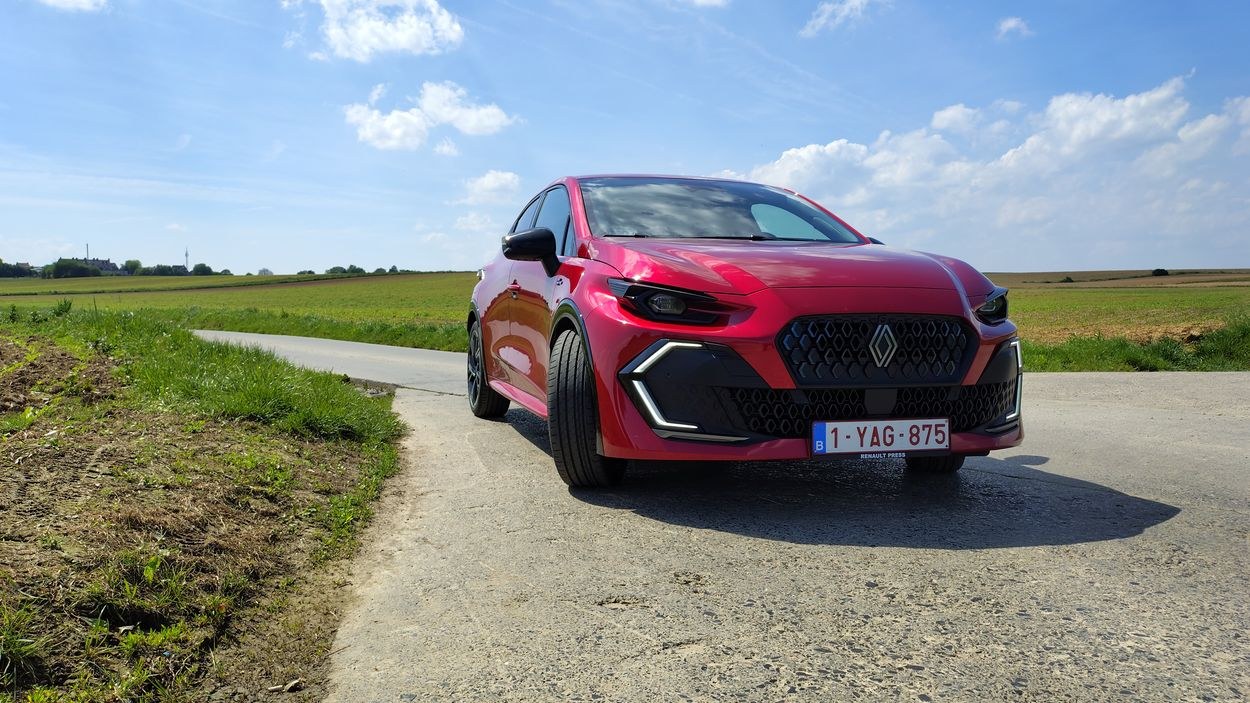
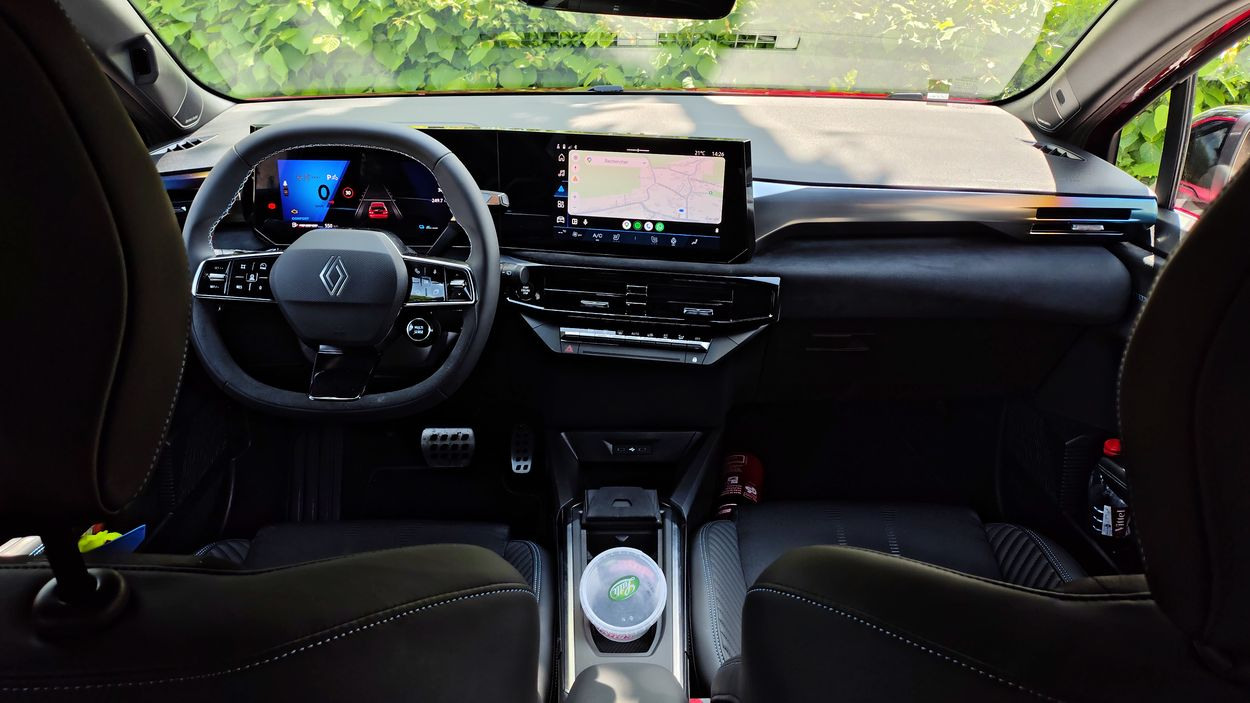
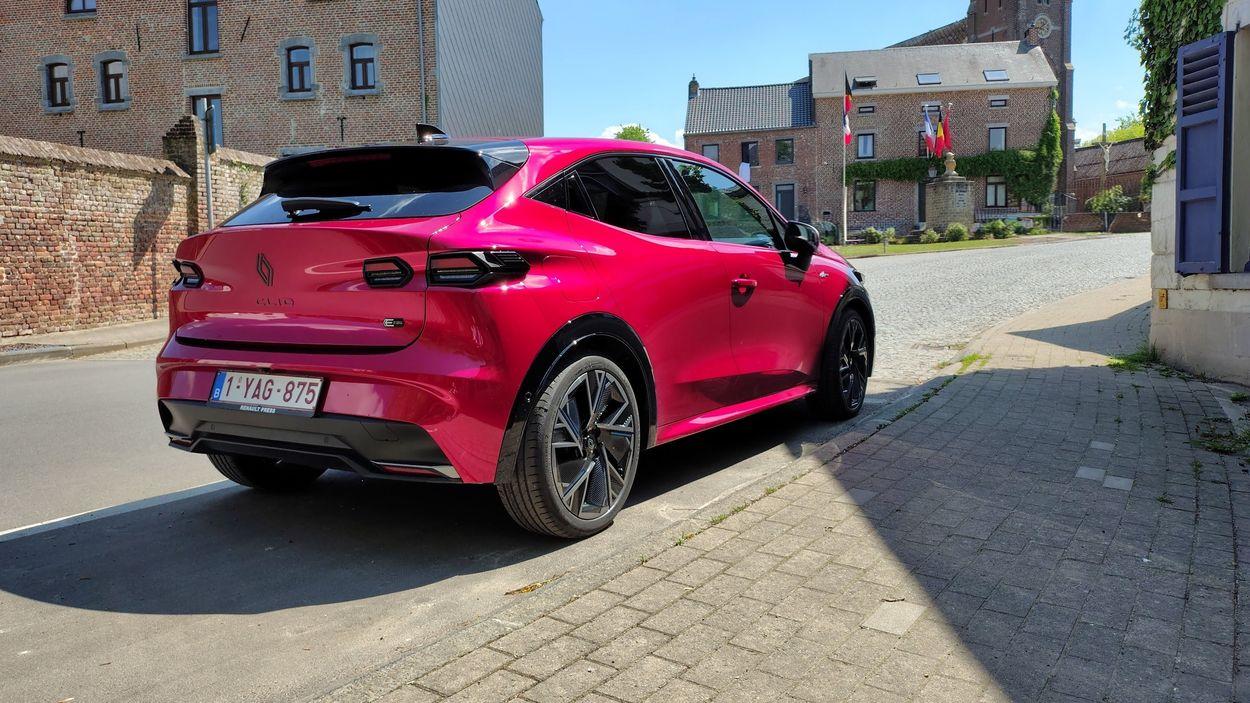
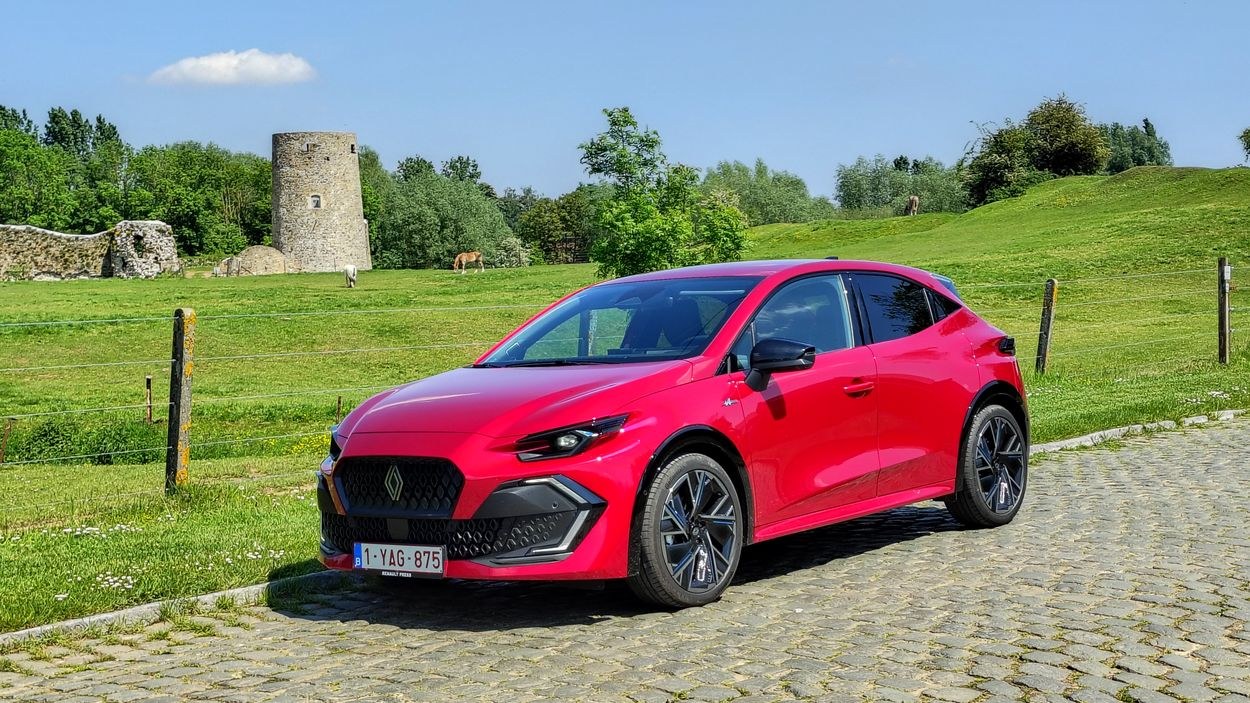
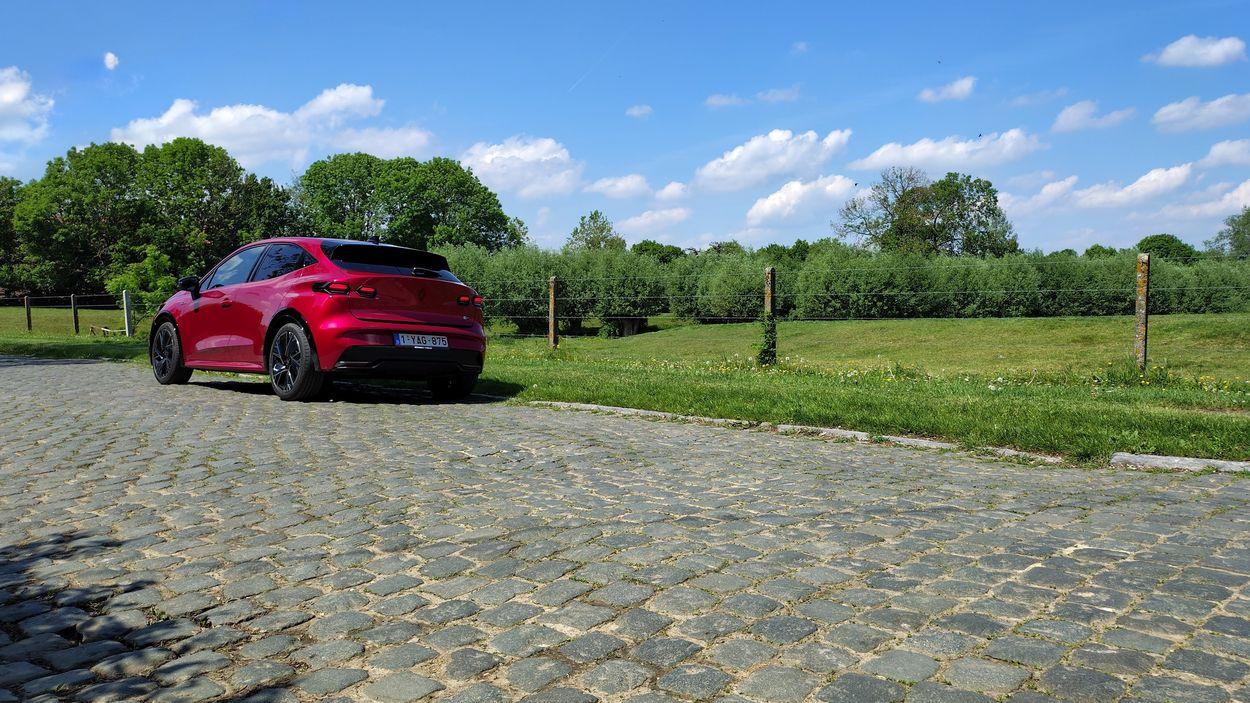
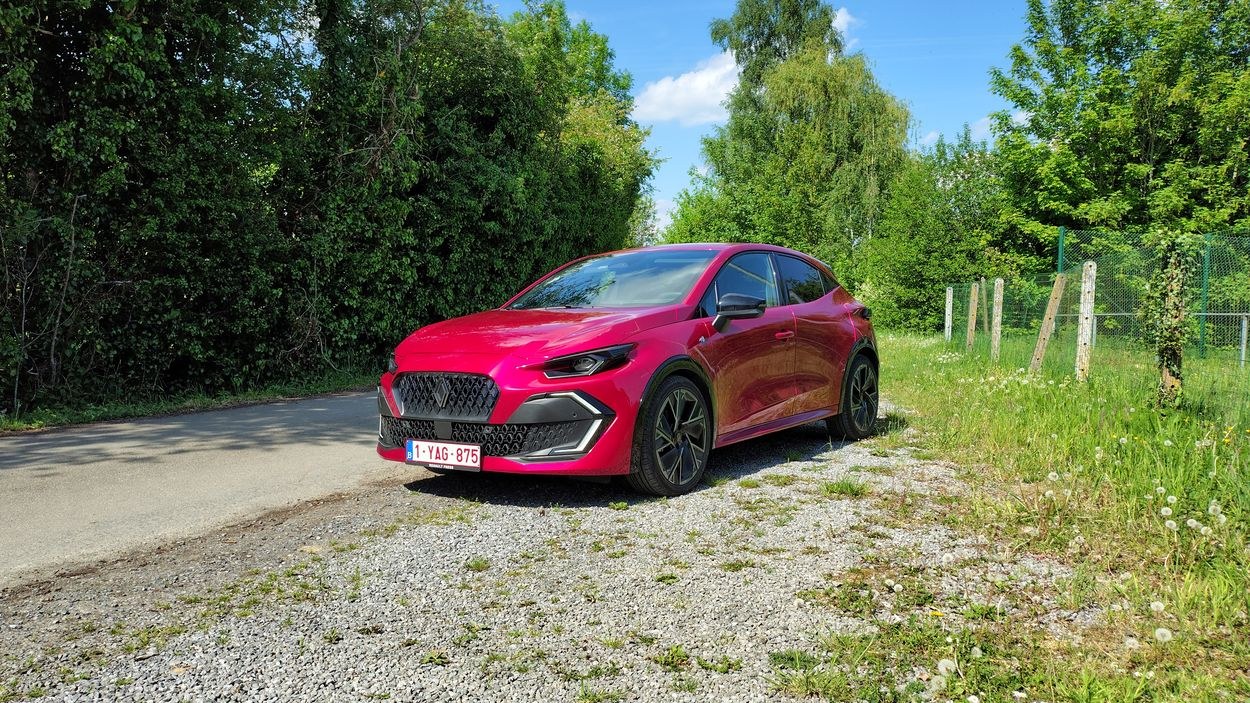
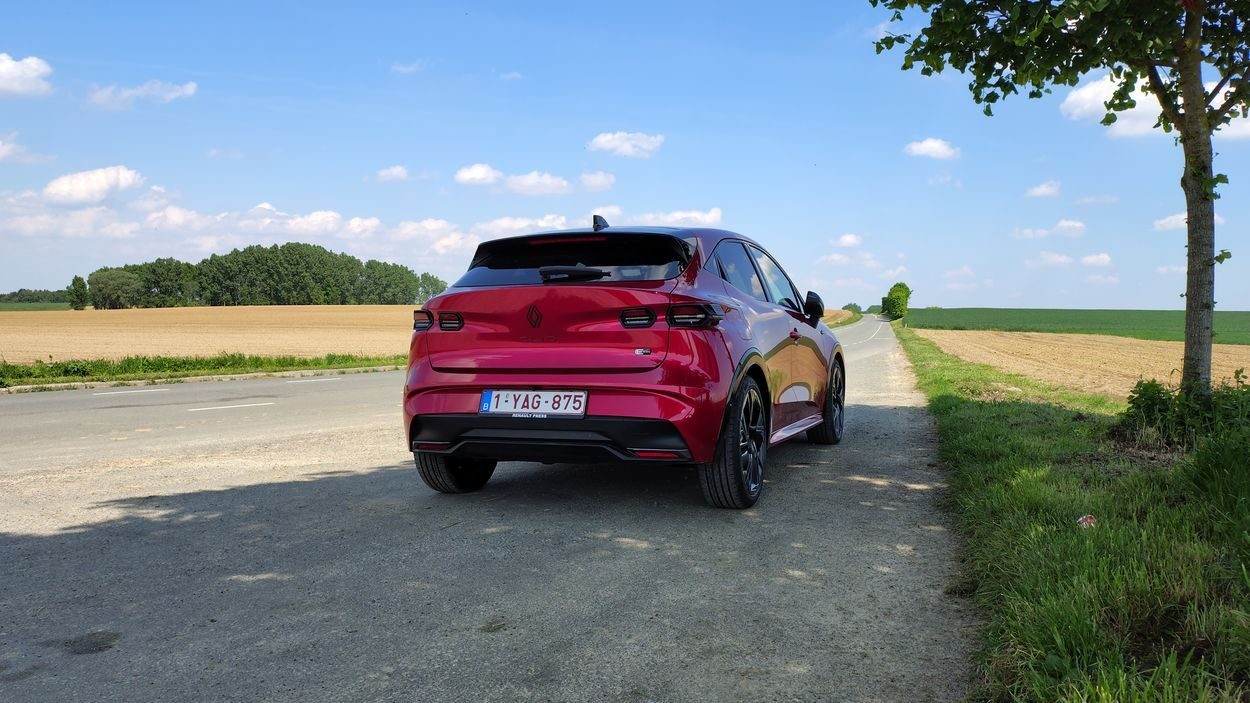
The 6th iteration of the Renault Clio has gained in design confidence, with a sovereign grille and daytime running lights in brackets around the air intakes. In my humble opinion, with their break on the tailgate, the rear lights are a little less flattering. In profile, the Clio identity is preserved, with soft, aerodynamic lines. On board, the world of today's Renault is very much in evidence, but with no vertical screen. The panel is horizontal. The dashboard is quite long and creates a large space between the console and the windshield. As for the steering wheel, it's large, with the famous multimedia commodo on the lower right. There's no escaping hard plastics, especially in the storage areas, even in the most luxurious Alcantara finish.
Contact
Press the start button and the 107 hp, 1.8-liter 4-cylinder remains asleep. Only the 69 hp, 205 Nm electric motor is activated. This means the car can take to the road for its first few laps without emitting a single gram of CO2. But don't expect to be in EV mode for very long. The 1.4 kWh battery won't allow it. Soon enough, the Atkinson-cycle gasoline block comes into its own. The Clio then shudders to life, letting the uninspiring melody of its internal combustion engine shine through. However, soundproofing work has been carried out to avoid auditory fatigue. When the two engines work in unison, 158 hp (116 kW) and 270 Nm of torque are available.
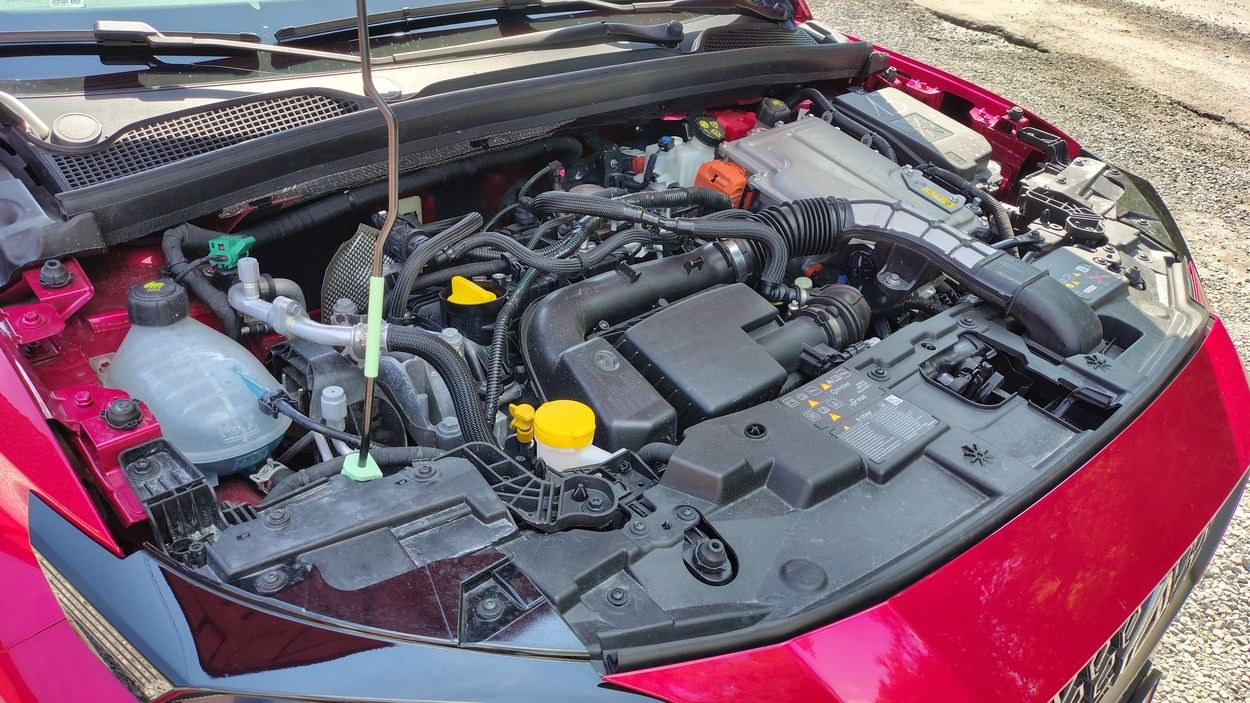
Like any hybrid worthy of the name, the Renault Clio E-Tech juggles oil and electricity. Transitions are smooth and seamless. Those who drove the 5th generation will immediately wonder about the behavior of the robotized gearbox with dog clutches. It's still there, along with the starter-alternator, but Renault has added a 15th program. This should smooth the shifting of the 4 thermal gears and 2 electric gears. It does, to a certain extent. There were still a few jerks and strange noises with our Clio VI. But it's smoother and more controlled than before. The fact remains that such a multi-mode transmission retains its liveliness, giving a good tempo under acceleration.
On the road
The first impression is of a car that manages its electric-atmospheric cavalry well. Despite its 1,466 kg kerb weight, the French sedan is no slouch. 0 to 100km/h is achieved in 8.3 s. Top speed, achievable in Germany on an open freeway, is limited to 180km/h, the absolute top speed of all Renault models from now on. Which is more than adequate for a vehicle of this size. The feeling of dynamism is above all a question of handling. The steering is direct and straightforward. It complements a precise chassis with wider tracks, revised geometry for conventional suspensions and work on structural rigidity. As a result, the car can distill a few sensations on a series of curves.
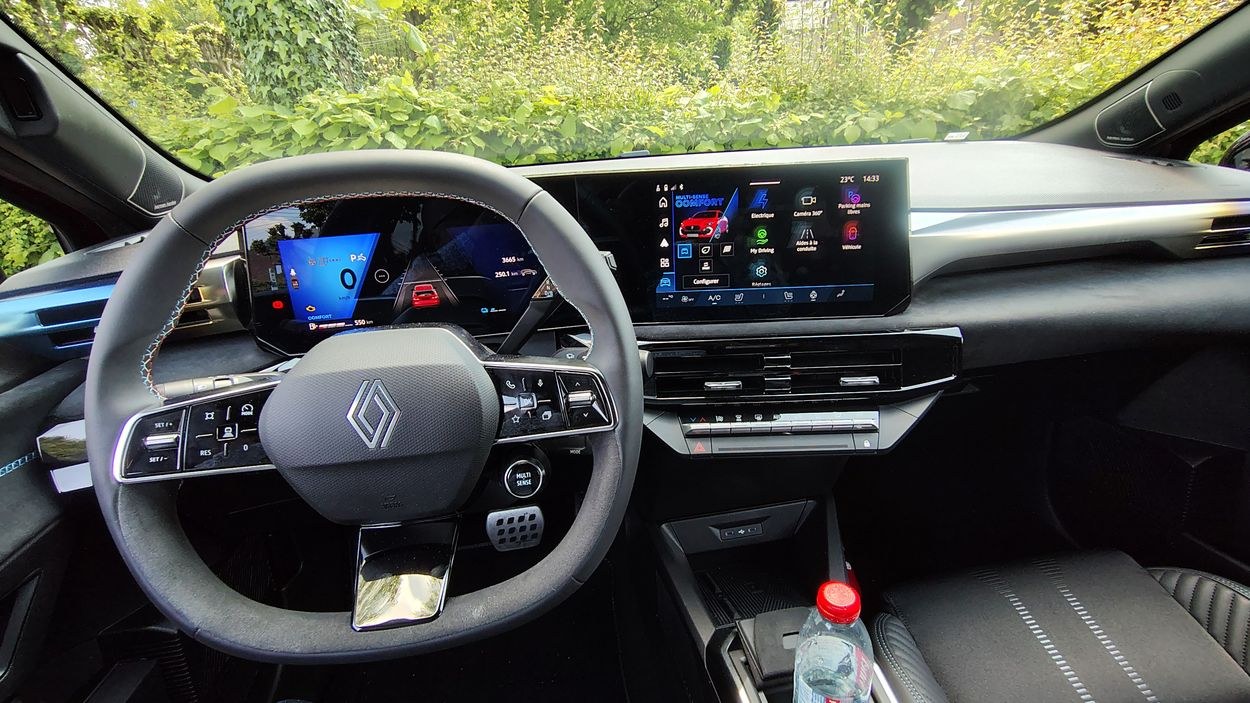
The Multi Sense button on the steering wheel - or the touch-screen menu - lets you choose between Eco, Comfort and Sport modes. A 4rth mode called Smart guesses the most appropriate setting according to your driving behavior. A little subtlety: apart from Smart, the modes can be adapted manually to suit your preferences. But comfort remains a priority. The damping is well calibrated and firm. This avoids too much body movement, while remaining in contact with the road, without sitting directly on the asphalt. All the more so as I had 18-inch wheels, which penalize chassis that are too dry. The Clio avoids punishment by remaining dignified with a fair compromise. It's both reassuring and pleasant to drive, with a short, straightforward brake pedal stroke. However, you sometimes have to force your foot to finish braking. At crossroads, the windshield pillar can hide some of the peripheral visibility, despite the small rearview mirror.
Keys and display
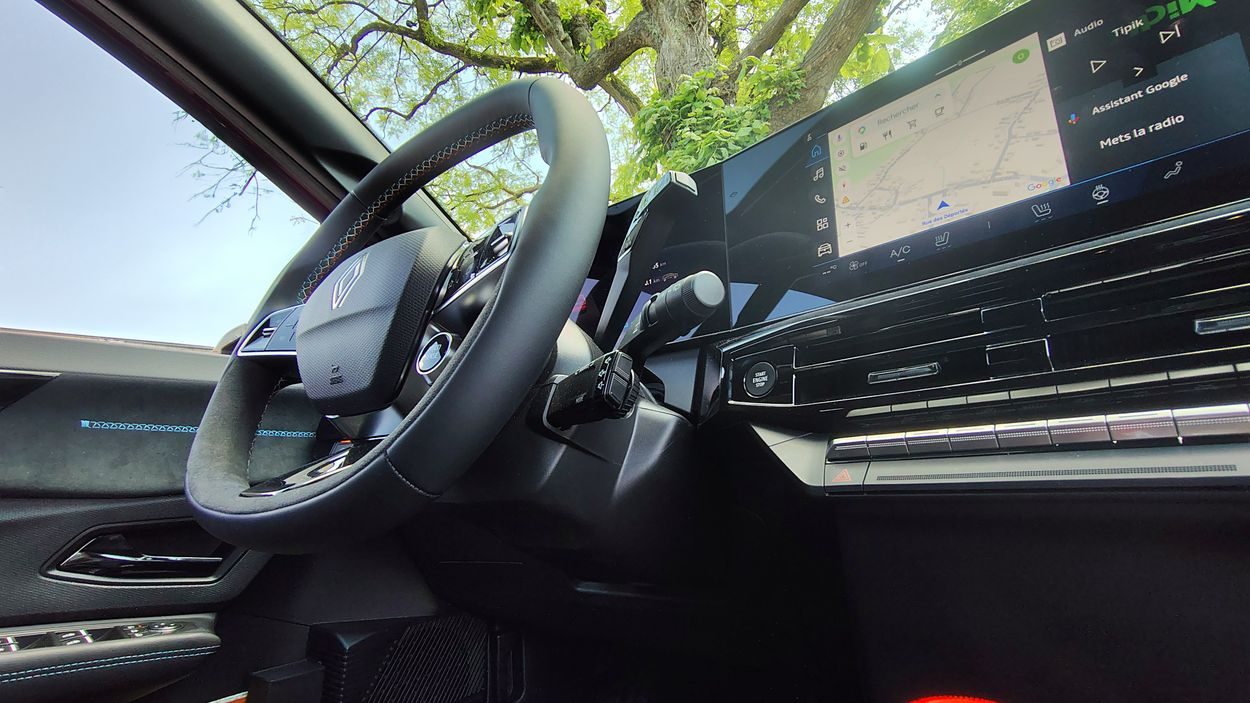
There are several levers around the steering wheel. The transmission lever on the right is raised to avoid confusion with the windshield wiper lever. A little lower down is the infotainment satellite. This has been a Renault habit for many years, and is one of the brand's distinctive features. On the left are the headlamp and blinker controls. Activating the automatic switch between low and high beams is simple: a button at the end of the control panel. Everything is neatly arranged on the steering wheel. I really like the button for aligning the cruise control speed with the road signs read by the car. It's quicker than having to change it with the switch. And as suggested, it prevents the car from making erroneous decisions after misreading the speed limit. This is how all cruise control systems should work.
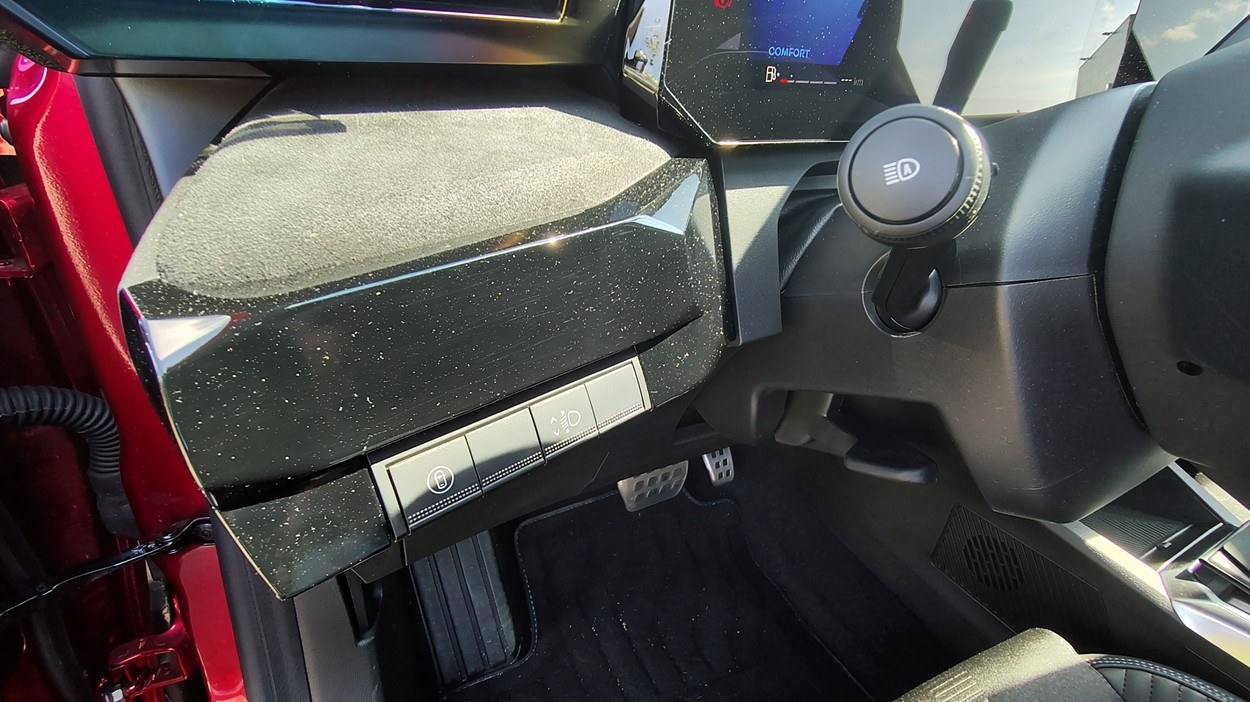
What's for more, Renault has a shortcut for switching off the speeding alert (ISA). Press twice on the button with the car circled on the left. It activates the pre-programmed "My Safety Switch" driving aid settings. So, not just ISA silence. The right hand won't have to search the menus for air conditioning: a dedicated ramp is located under the screen. This is also where you'll find the warning triangle. Above the screen, a button allows you to turn it off and restart it in the event of a blockage. Even with Android Auto or Apple CarPlay projection, shortcuts are provided on the screen for quick access to menus. Google Automotive technology also enables the installation of various applications, such as TF1+. On one condition: activate the Internet option via the MyRenault account. This account can also be used to monitor the car remotely via the dedicated smartphone app.
Slim
The ergonomics of the Renault Clio VI are truly optimal. But not everything in the cabin turns out perfectly. The cup holders are not deep enough for a 50 cl bottle. What's more, the candy box designed for cars doesn't fit either! There are ways of placing the bottle in the box between the seats, or in the door storage space. So why make a cup holder at all? In 1 word, 100: it's a bit lacking in storage space. What's for more, and this is systemic at Renault, the phone's induction charger is particularly temperamental. It works, shall we say, intermittently. I also resigned myself to taking out my USB-C cable to save time on charging.
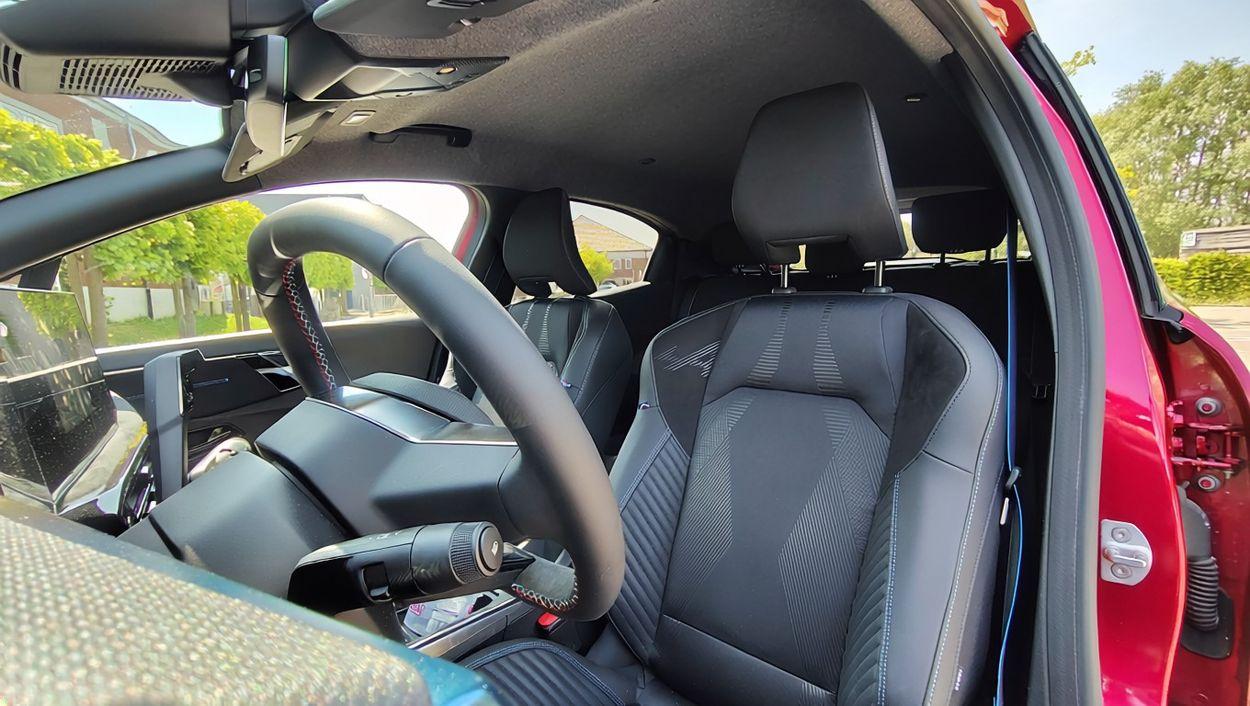
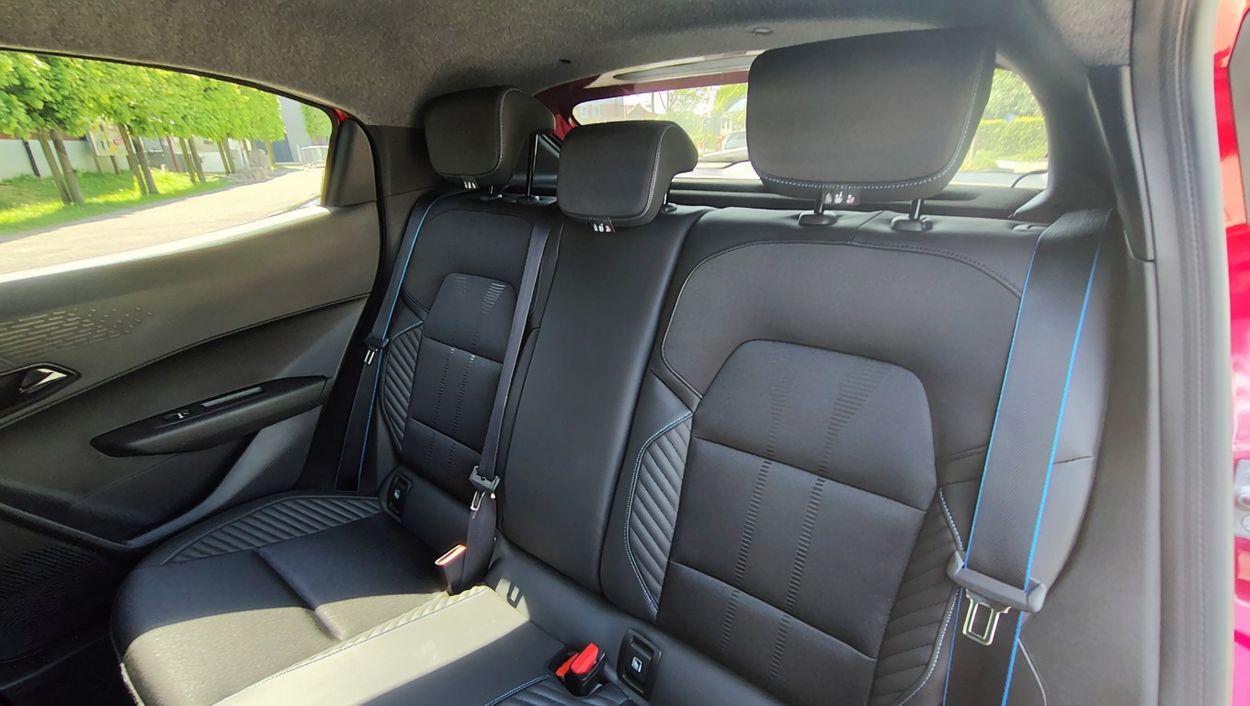
At the front, in a world of materials ranging from the most noble, Alcantara (Esprit Alpine finish), to the most basic, the Clio VI has nothing to envy a compact sedan. In the rear, however, taller passengers will find their legs quickly trapped by the backrest and the geometric limits of its size. At 4.12m long (7cm longer than the previous generation), the car retains the same 2.59m wheelbase. However, it is slightly wider (1.77m, + 4cm) and slightly taller (1.45m, + 1cm). At the rear, the rear window is narrower, without impeding visibility in the central rearview mirror. But the rearview camera is not a luxury when it comes to reversing. A pity, though, is the presence of a few vibration-related noises.
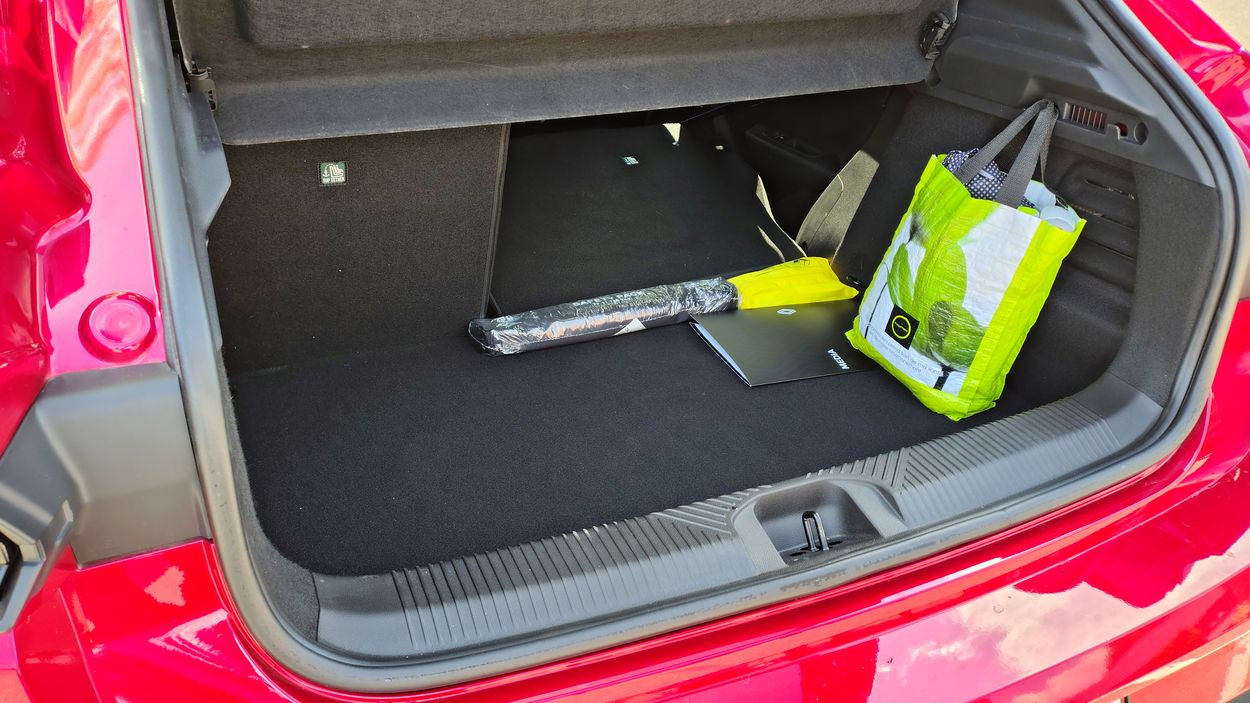
The boot of our Clio Hybrid offers 309 litres under the luggage cover. With a rather imposing sill. This is less than its 100% combustion-powered siblings, which boast 391 litres. The 82-liter difference is due to the presence of the battery. With the bench seat folded down, the capacity of our model is 1094 l, compared with 1176 l for those without electric motors. Let's return on board for a moment and take a look at the bench seat. The 5th seat is cramped despite the absence of a transmission tunnel, and cannot be converted into an armrest or cup holder. Renault does better with its two pairs of easily accessible Isofix hooks. This simplifies the installation of child seats.
Sobriety
Officially, our model's WLTP fuel consumption is 4.1 l/100km (92g CO2/km). Over 800km, our combined fuel consumption was 4.6 l/100km, with Comfort, Sport and Smart modes (which found the best compromise). The Clio happily switches to electric mode in town, and even on faster roads when speed can be maintained without too much effort. On the freeway, too, the Renault remains frugal: 5.1 l/100km over a 100km journey at 120km/h, with 2 roadworks and a 100km/h zone. During this trip, with 4 adults in the cabin, the average never exceeded 5.3 l/100km, with the dynamic cruise control activated. On a less advantageous profile and in heavier traffic, consumption could rise to 5.5 l/100km.
With a full tank of 39 liters of gasoline, the Clio E-Tech 160 has a range of over 800km on a daily basis and over 700km on the freeway. So there's no need to swallow too much octane to get your fill. Non-rechargeable hybrid technology is mastered to do what it's supposed to do: reduce fuel consumption. As an added bonus, it also packs a punch with its torque and 158 hp. A night drive showed that the automatic switchover between low and high beams worked well. What's for more, the lighting ambience on board is not too intrusive.
Pricing
The "basic" Renault Clio with 115 hp, without hybridization, manual gearbox (114 g CO2/km) is priced at around €19,000 (spring 2026). At this price, there are the two screens: 7 inches for the dashboard and 7 inches for multimedia, and Apple CarPlay and Android Auto replication. In contrast, the model tested here is the top of the range: hybrid with Esprit Alpine finish, 10-inch virtual cockpit handset and 9.3-inch central screen. And yet, excluding options, it retails for €28,300 in France and Belgium.
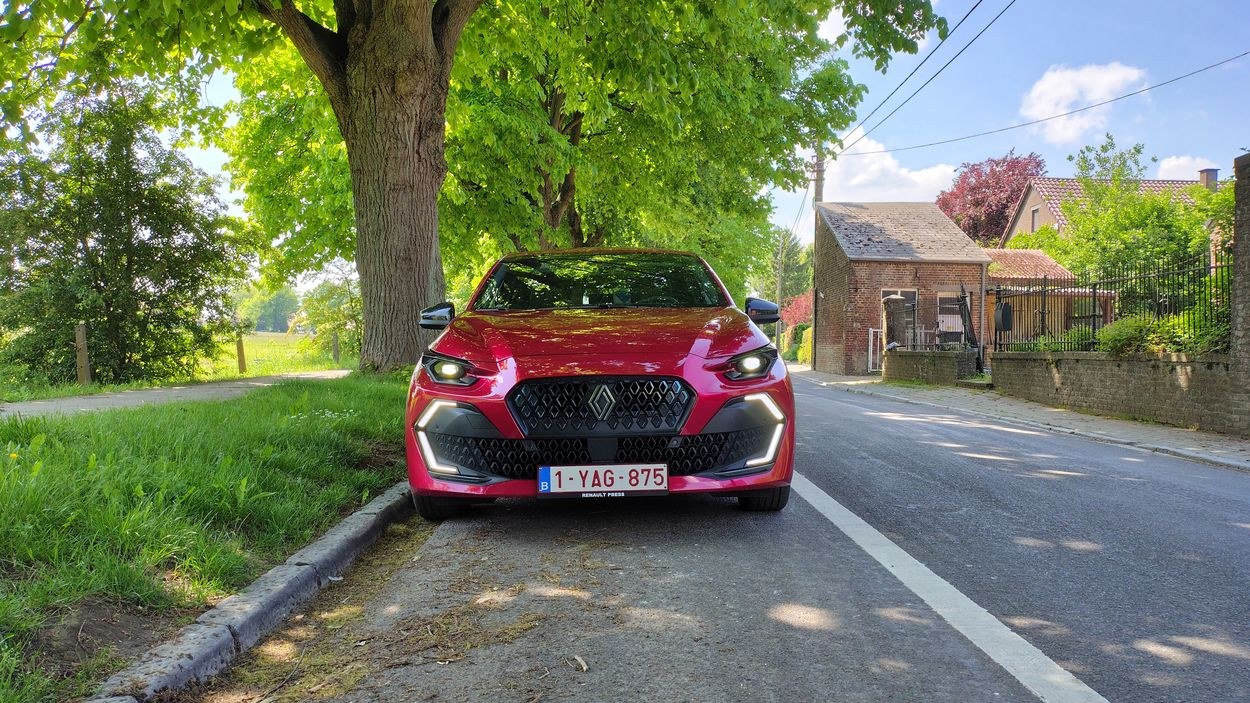
To see the Clio E-Tech Esprit Alpine Absolute NPU red (€700) in pictures, with 18-inch wheels (included), heated front seats and steering wheel (€400), rear view camerara (€600), galette spare wheel (€180), and 10-inch multimedia system with 9-speaker Harman Kardon audio system (€650), the total price is €30.830 in Belgium. In Luxembourg, the price is €29,811.
In France, the same Clio hybrid, rated Crit'Air 1, costs €32,050. In Switzerland, a similar model without the heated steering wheel costs CHF 29,550. In the Netherlands, without the wheel, the price climbs to €35,290, due to the BPM tax. But it's still better fiscally as a hybrid than as a 100% combustion engine. In the UK, it will be blue or orange if not red. In the UK, the price is set at £25,745, excluding options (not available on the configurator).
The verdict
Despite its size, the Renault Clio does the job. Comfortable at the front, a little narrow at the rear, it can nevertheless take a family or a group of friends on long journeys without failing. On a day-to-day basis, the Frenchwoman will adopt a hybrid strategy that takes the pressure off the budget. Even with petrol at €2 per liter, the 100km remains affordable, thanks to an average fuel consumption of between 4.5 and 5 litres/100km. And being very cautious, there's no doubt a way of getting close to the official figures, to approach 4 l/100km in urban areas, with Eco mode, the gearbox on B and a light foot. But the most important thing is the feeling of well-being on board. At once modern in its equipment and certain features, it retains the classicism of the multi-purpose car.
In a frame with Alpine references, iridescent chrome trim and Alcantara, the top-of-the-range Clio even makes you think you're in a bigger car. Sound familiar? Of course, the advert for the 1st generation Clio. Well, that's advertising. The truth is, I'm telling you, there's still a little rattling at times that betrays its true segment. What's for more, the space on board is that of a city sedan. And your wallet, candy box or water bottle will have to share the few spaces and the storage box between the seats. For the rest, yes, the Clio is a good companion for everyday life and weekends, pleasant and reassuring. Especially in this 158 hp "E-Tech 160" version.
Text and photos: © Olivier Duquesne
Share: