
©Sydney Latham via Unsplash
-
Jun 29, 2026 11:38
For many women, fear begins when the match ends: the campaign that reveals the hidden side of football.
Before every national team match, millions of English fans type the same question into search engines: “What time does the match start?” It’s an automatic, almost ritualistic gesture that accompanies the anticipation of a sporting event capable of bringing an entire country to a standstill.
This year, however, people searching for the kickoff time stumbled upon an unexpected answer: 11:37 p.m. This isn’t the time of the opening whistle for England’s match at the 2026 World Cup. It’s, in fact, the time when domestic violence is estimated to start rising after a match ends.
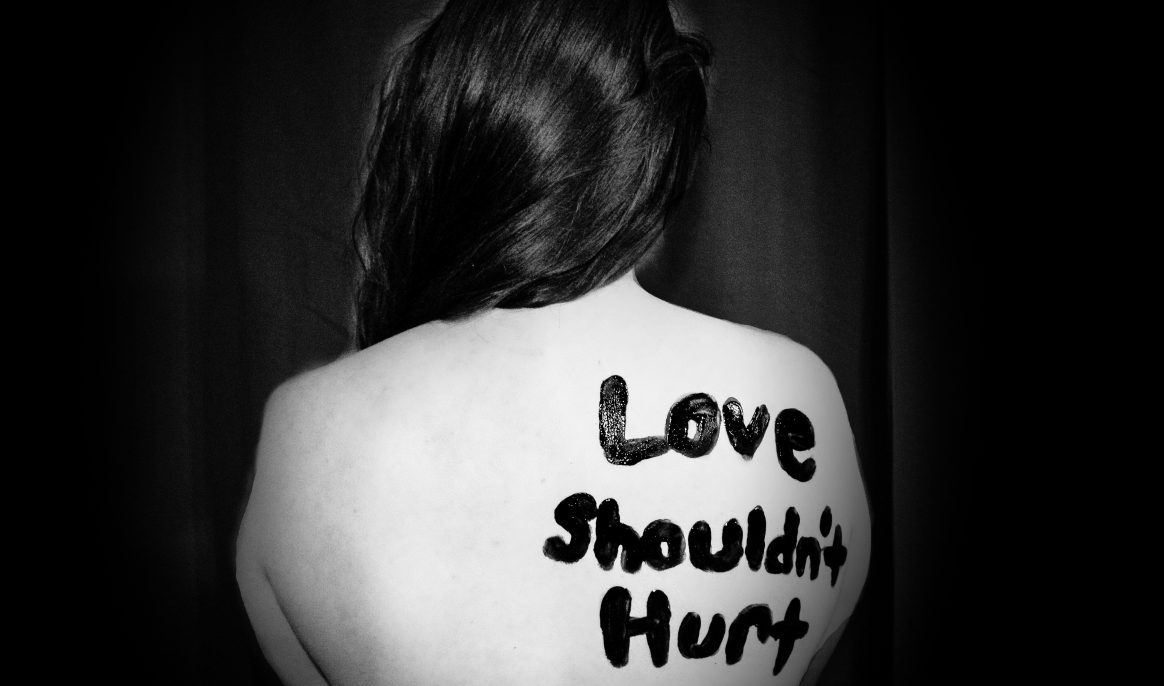
This sad reality gave rise to “The Other Kick Off,” the new campaign by Women’s Aid, a long-standing British organization dedicated to combating violence against women and children.
The Other Kick Off
The campaign’s title plays on a typically English linguistic nuance.“Kick off” means the start of a game, while the colloquial expression“to kick off” also refers to the moment when a situation escalates, erupting into anger or violence.
And it's precisely this double meaning that transforms a symbol of celebration and togetherness into a social statement.
For many women and children, in fact, the real “other kick-off” isn’t when the players take the field, but when the person who vents their frustration, anger, or aggression within the four walls of their home returns. This message draws attention to a phenomenon that is often invisible and far too often underestimated. Women’s Aid has therefore chosen to build on an already ingrained habit: the compulsive checking of the game schedule.
Thus, in train stations, fan zones, outside pubs, and on advertising screens, the numbers 23:37 appear and adapted with graphics and language typical of the world of football. The surprise effect is immediate. Anyone expecting sports-related information is confronted with a very different reality.
Each poster also links, via a QR code, to the support services and resources provided by Women’s Aid for victims of domestic violence.
Furthermore, the 2026 World Cup is causing additional concern. The matches, played across the United States, Canada, and Mexico, take place across different North American time zones. As a result, many of the English national team’s matches end in the middle of the night in the United Kingdom.
According to the organization, this situation could further exacerbate the problem: incidents of violence are likely to occur precisely at times when victims are most isolated, neighbors are less likely to be around, and support services are less accessible.
What lies behind this figure
The time of 11:37 p.m. was not chosen at random. The estimate takes into account the average length of a match, the time spent drinking alcohol after the game, and the journey home. A longitudinal study (conducted over several years) by the University of Lancaster revealed that domestic violence increases by 38% when England loses and by 26% when it wins.
It goes without saying that football is not the cause of the violence. The roots of this phenomenon run much deeper and are rooted in the dynamics of control, abuse, and inequality that characterize toxic relationships. Nevertheless, according to the researchers, emotionally intense events—combined with alcohol consumption and collective tensions—can contribute to amplifying pre-existing violent behaviors.
Share: