
-
Jun 16, 2026 09:00
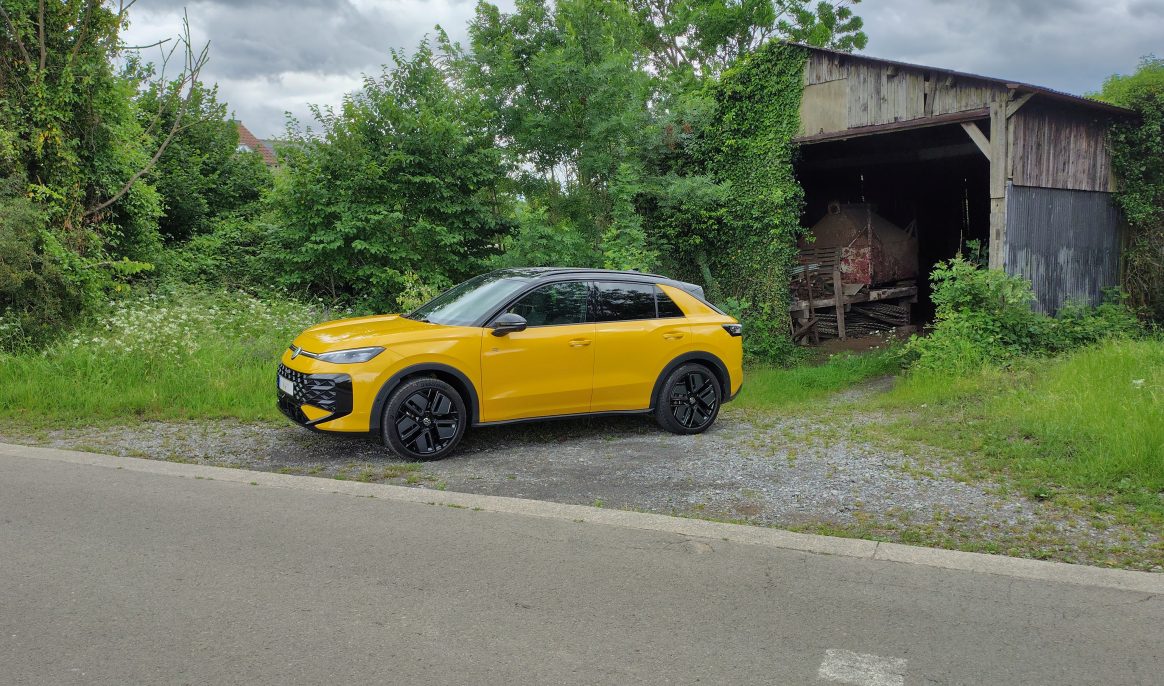
The new generation of the Volkswagen T-Roc faces the tough task of keeping this compact SUV at the top of the sales charts. The widespread shift toward electrification will undoubtedly push it to a different tier. But can it remain a “must-have” for consumers who are reluctant to go electric? Find out in this road test of the 150 ch (110 kW) eTSI mild-hybrid version.
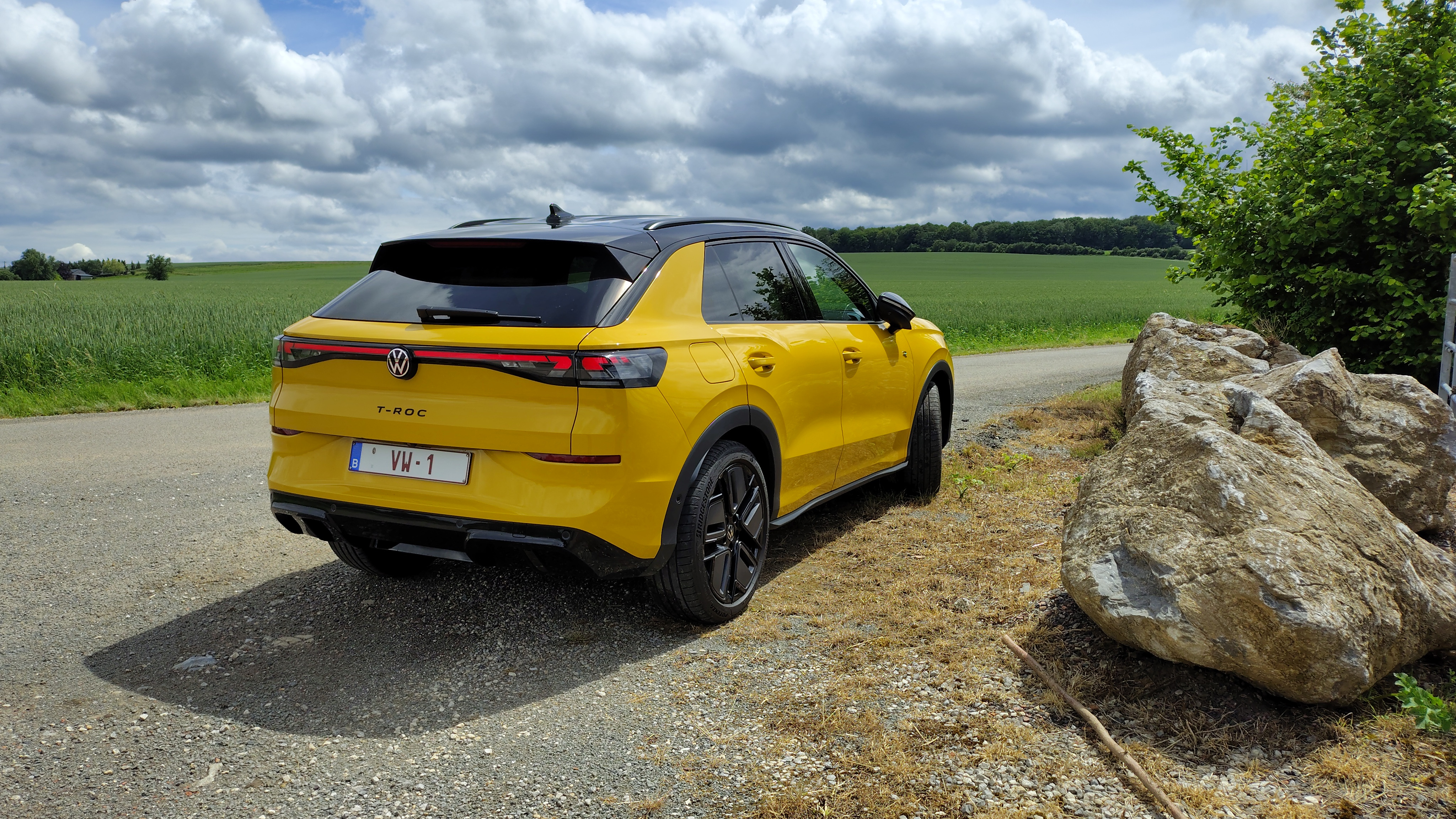
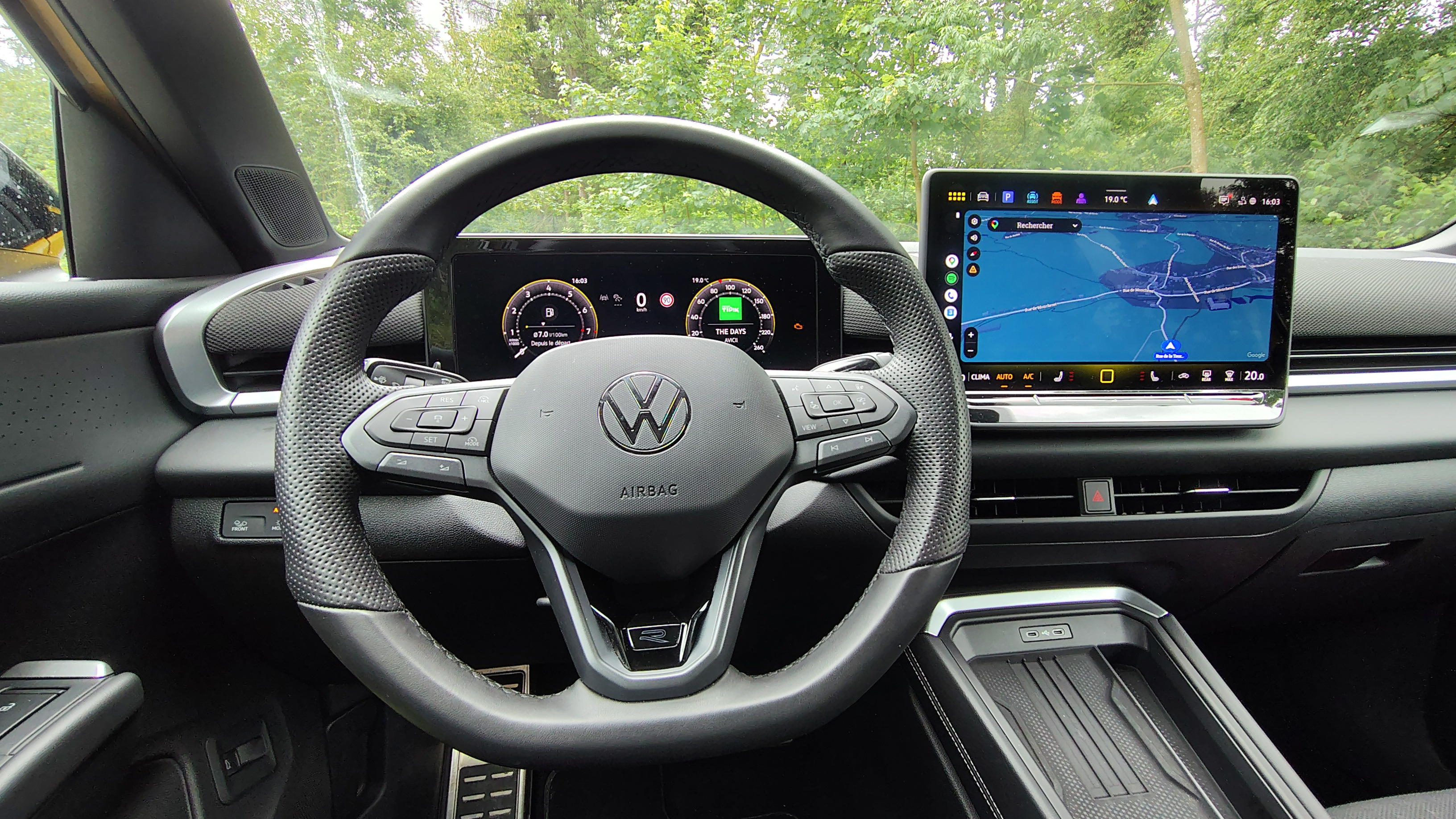
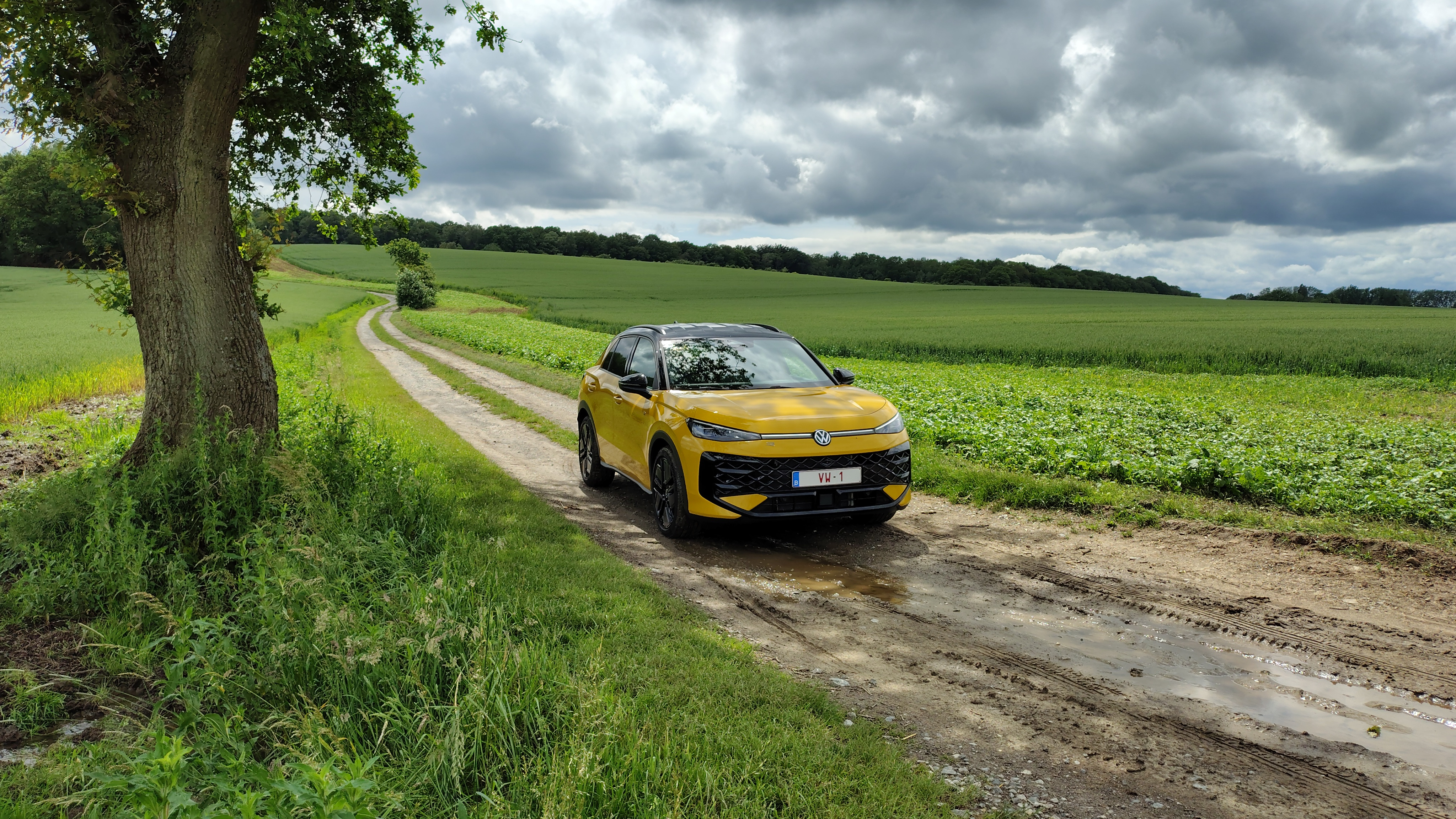
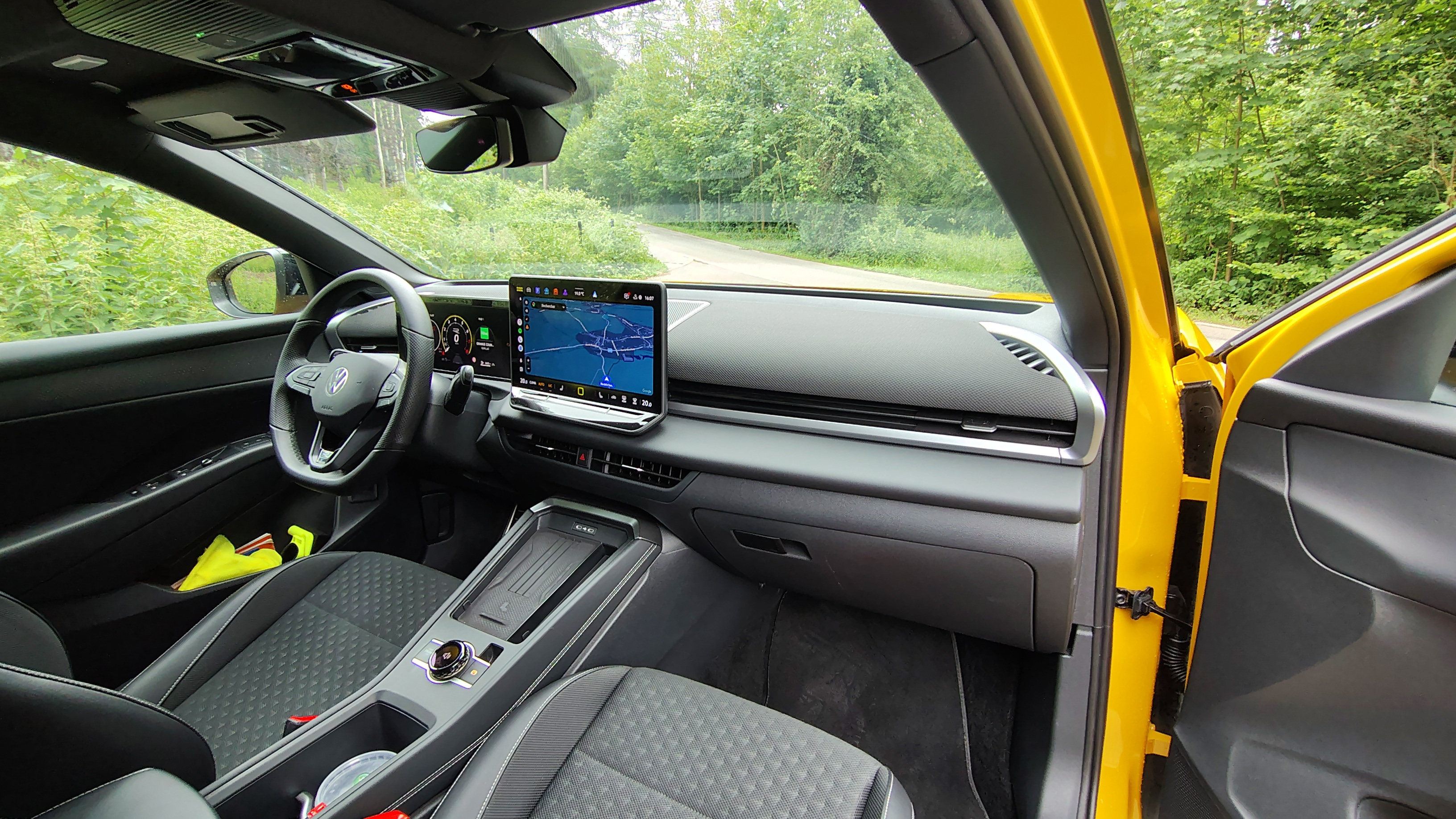
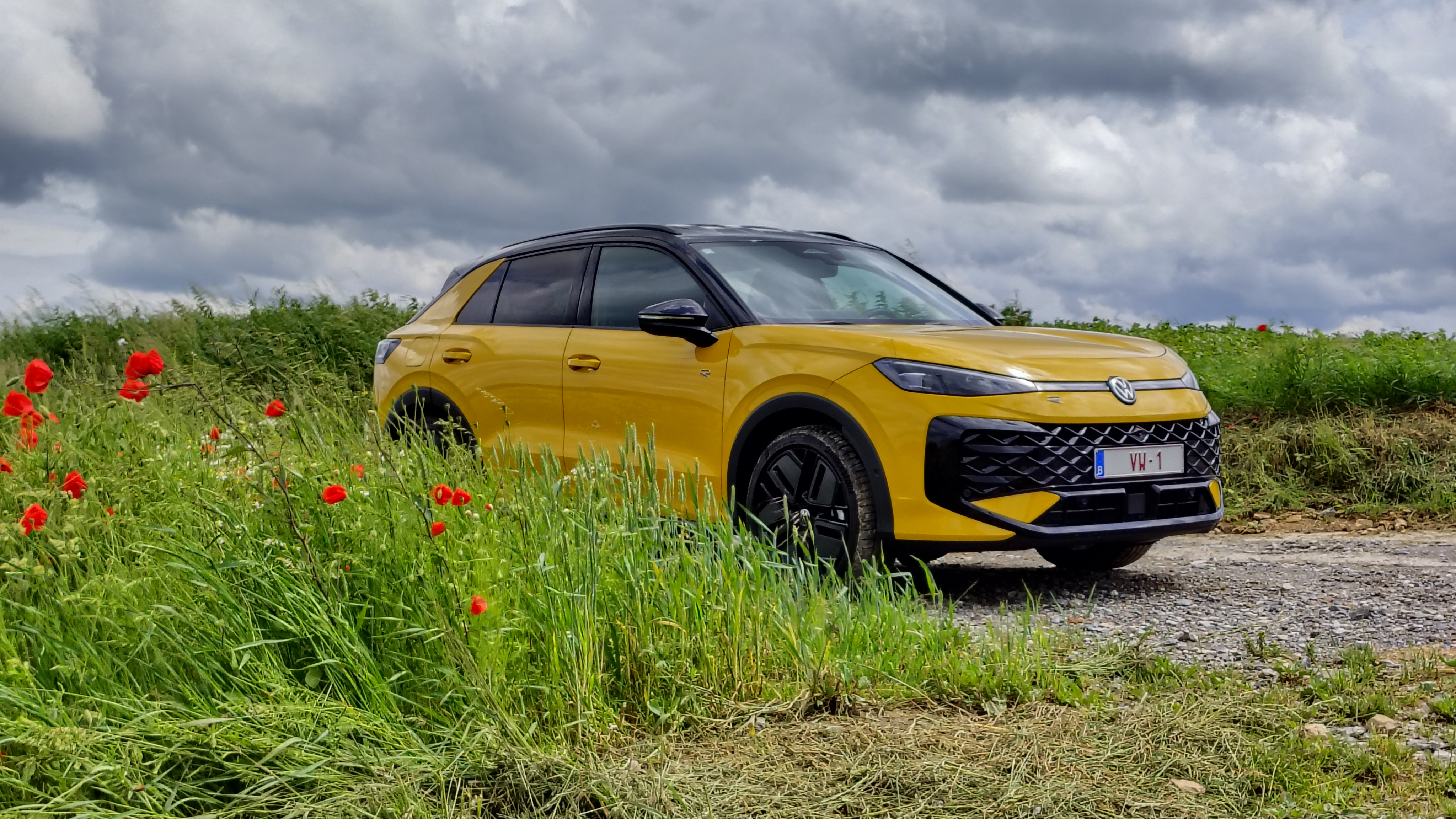
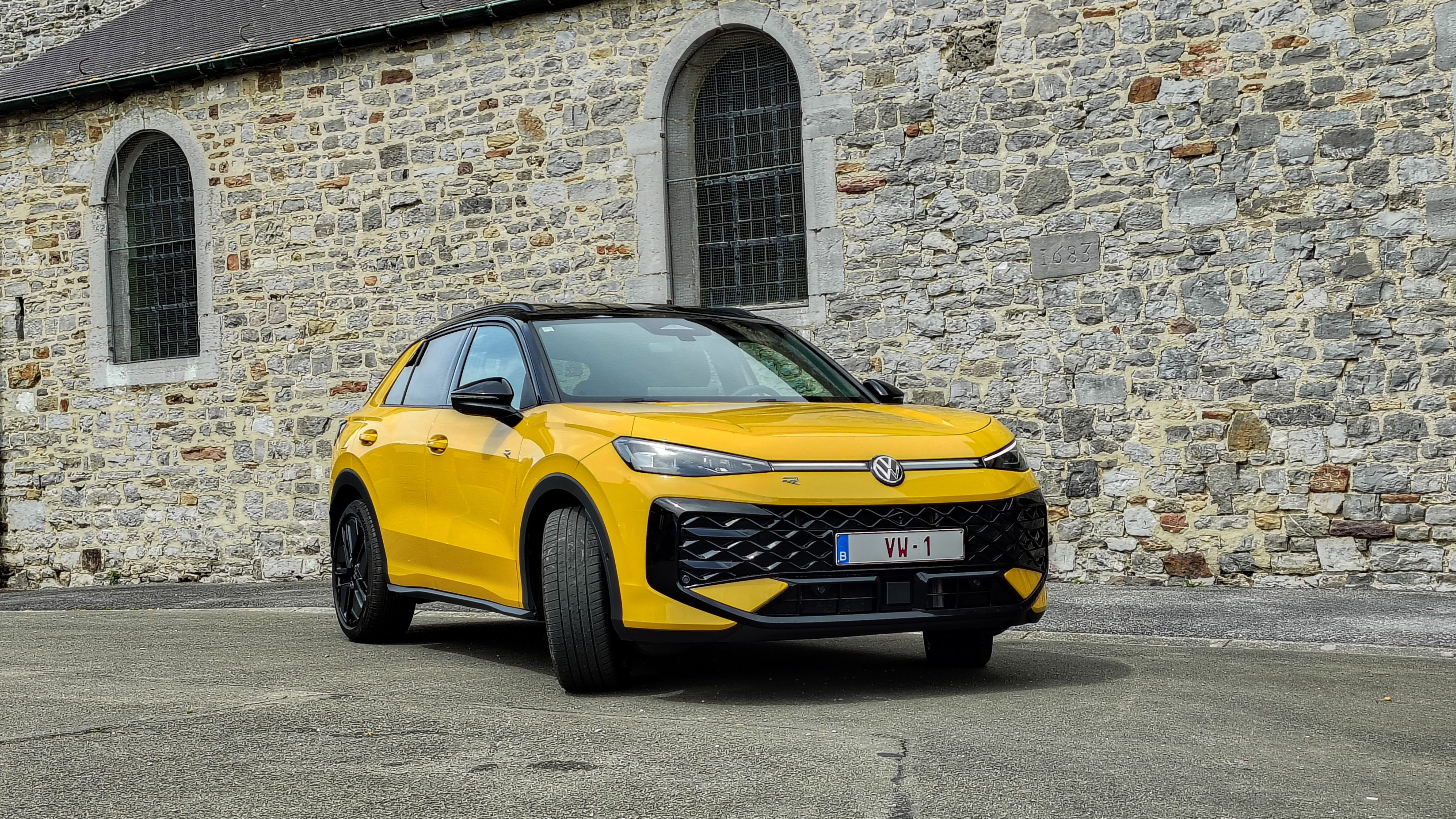
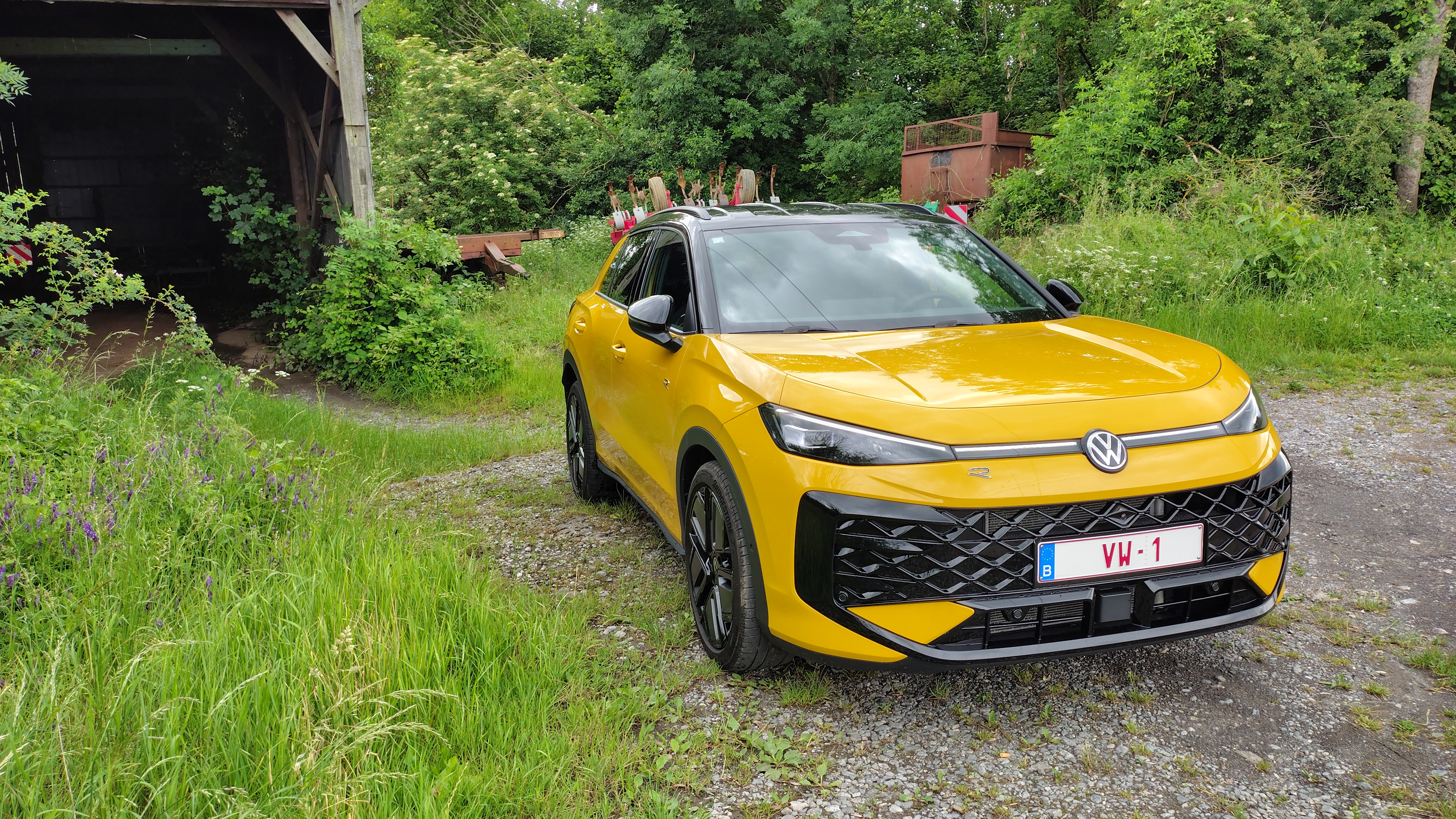
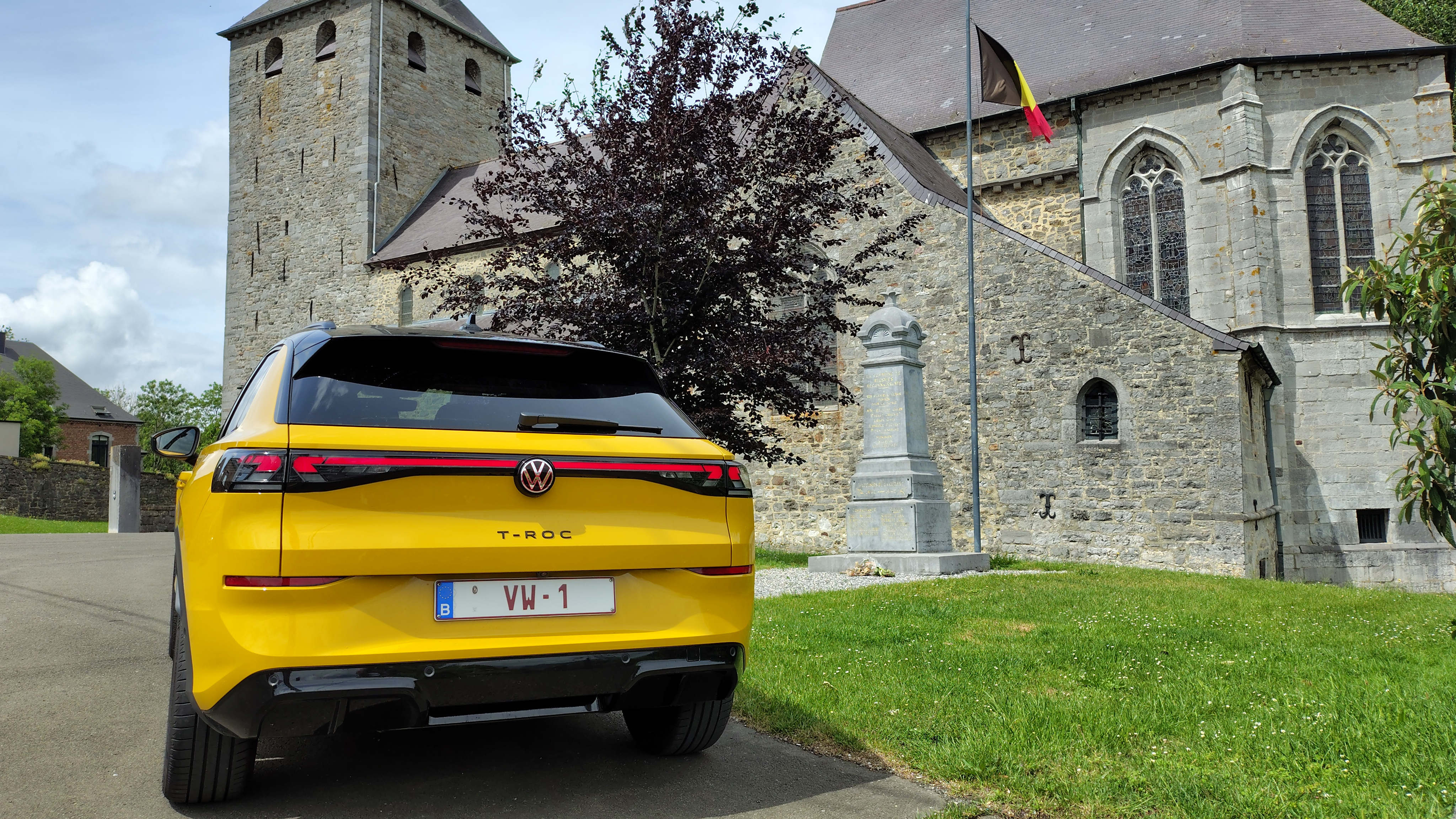
Instantly recognizable, the Volkswagen T-Roc doesn’t break any new ground. Despite its new platform (the MQB Evo) and a new lighting signature featuring an illuminated logo, the compact SUV retains the style and spirit that made its predecessor a success. Inside, the modernization is primarily technological. The cabin retains a minimalist feel with thoroughly revised ergonomics—though it doesn’t fully embrace VW’s new philosophy of a return to physical controls. Physical controls are few and far between, with the central touchscreen and touch bar remaining the heart of the system. However, there are a few significant changes: the gear selector is now located to the right of the steering wheel, and the dial at the base of the console controls both volume and driving mode. The haptic feedback, on the other hand, has disappeared from the steering wheel, replaced by the welcome return of physical buttons.
48 Volts
The new architecture facilitates the integration of electrified solutions. A plug-in hybrid version is expected by the end of 2026. For now, the T-Roc makes do with a rather mild micro-hybrid system. It’s a starter-generator, so it cannot drive the wheels. Its purpose is to provide torque and a boost during acceleration while putting the internal combustion engine into standby mode when the accelerator is released. This module constantly communicates with the 7-speed DSG (dual-clutch automatic) transmission to control freewheeling and the engagement and disengagement of the clutches. It also smooths out gear shifts by regulating crankshaft speed. That covers the technical aspects of this system, which operates at 48 V with a 0.25 kWh (micro) battery.
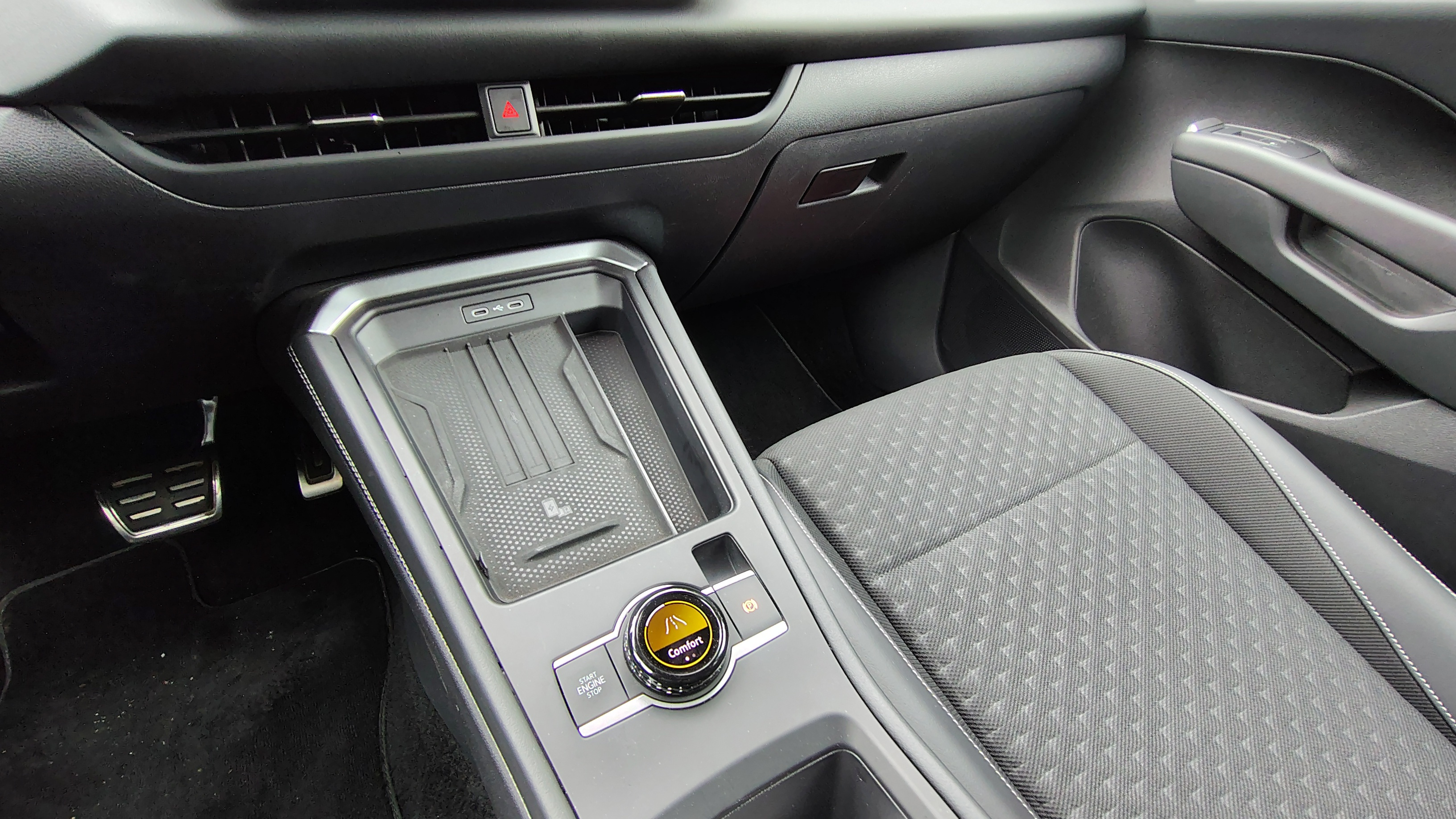
To start the SUV, press the button located near the driver’s seat. Then, move the gear selector behind the steering wheel to engage forward or reverse gear. Startup is smooth, powered by the internal combustion engine. The DSG transmission promotes eco-friendly driving in Eco or Normal modes by shifting gears quickly. You select these modes by pressing and turning the central dial. There are also Sport and Individual modes to add some pep by revving up the 1.5-liter 4-cylinder gasoline engine and increasing the noise level. Plus, there are paddle shifters behind the steering wheel for fans of manual shifting, allowing them to find the right rhythm and the best sound.
The Hard Reality
With mild hybrid technology, plenty of power in reserve, and the ACTplus (Active Cylinder Technology) system—which deactivates two cylinders when necessary—you’d expect fuel economy to be impressive. The 110 kW Volkswagen eTSI isn’t a gas guzzler, but its fuel consumption can be substantial, especially in the city. So, while I managed an average of 6.5 l/100 km over the entire test—which was mostly rural and highway driving— city driving, even with a light right foot, exceeded 7.5 l/100 km. If you really push it, 9 l/100 km is well within reach for a heavy-footed driver. The long-term average came in at 7 l/100 km!
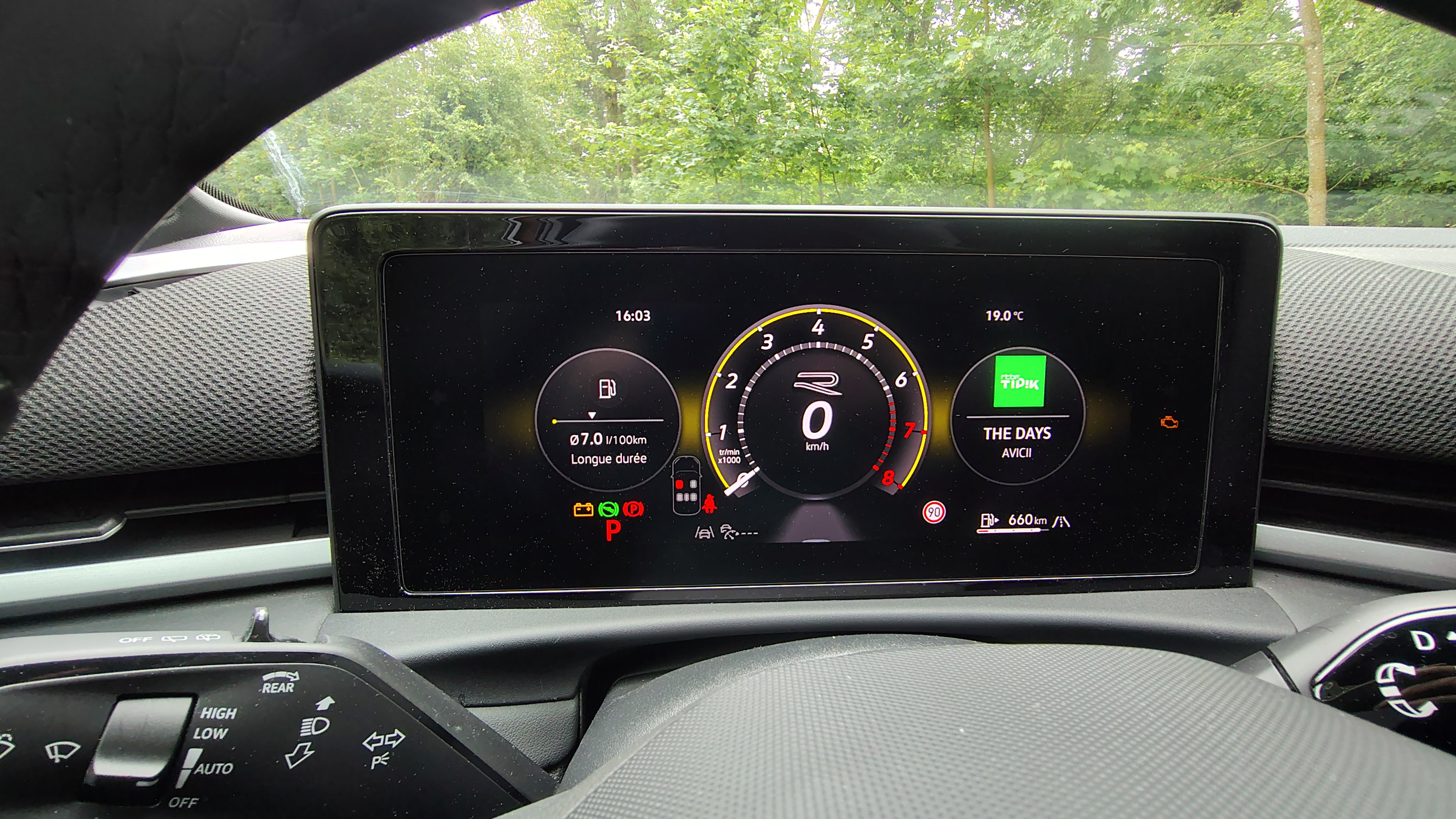
However, its 50-liter fuel tank gives it a long-range cruising capacity. In fact, on the highway—by driving with foresight, staying calm, and making smart use of cruise control—it’s possible to cover over 750 km on a single tank while staying under 6.5 l/100 km. When I picked up the vehicle, the onboard computer was more optimistic, estimating 820 km. That was a bit overconfident—except perhaps on state highways where you don’t exceed 90 km/h.
Lacks Flexibility
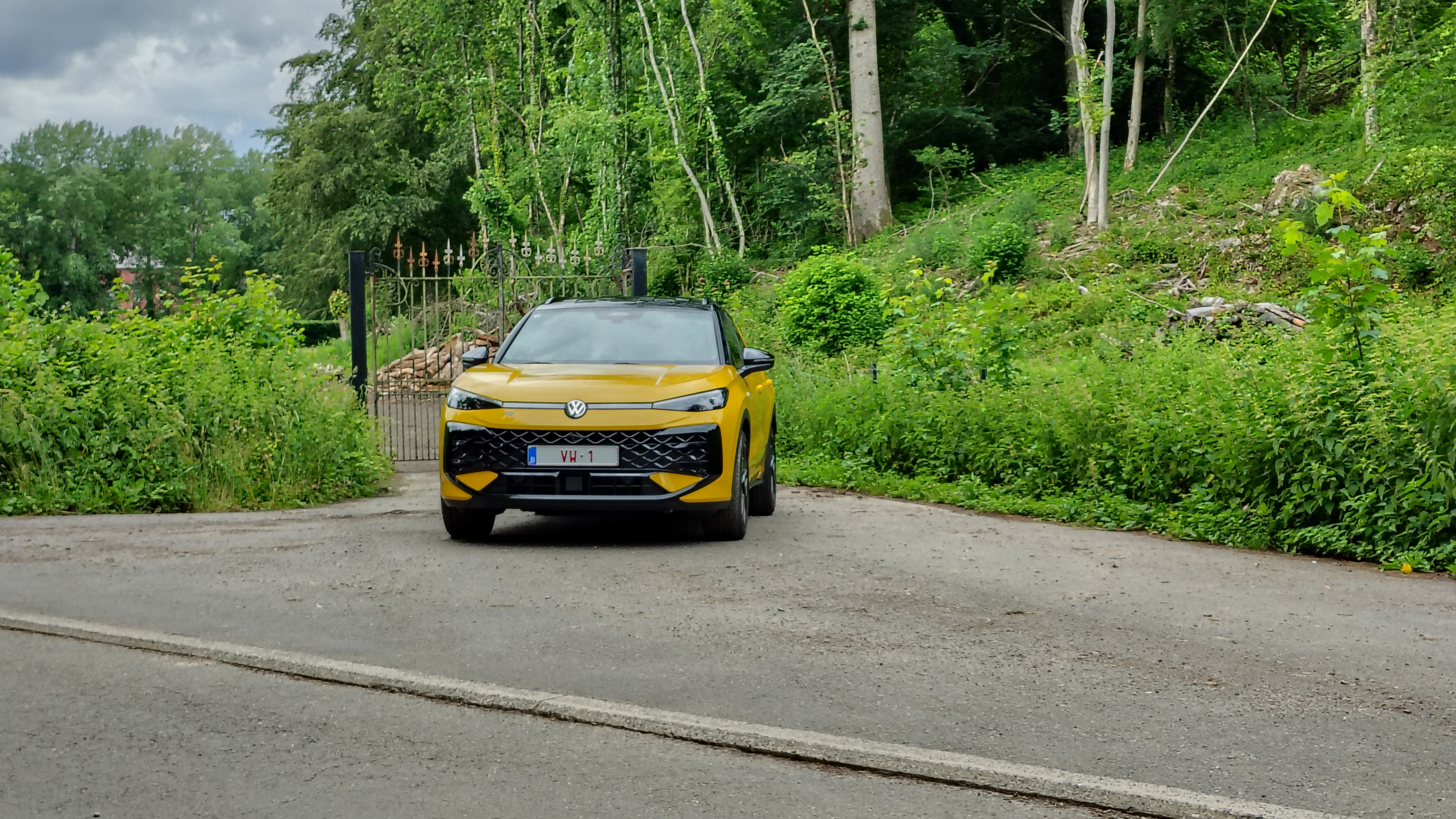
The ride feels rather firm. This is especially noticeable at low speeds, as the chassis shows little give. This was all the more so since I didn’t have the DCC dynamic chassis option, even though the car was fitted with 19-inch tires! However, when the pace picks up, the car remains stable. The steering adapts to the pace while maintaining a certain suppleness—consistent with the expected character of a compact SUV of this size. Overall, the handling is pleasant and reassuring. It can navigate a series of fast-succession curves with ease, while signaling well in advance when it’s time to ease off.
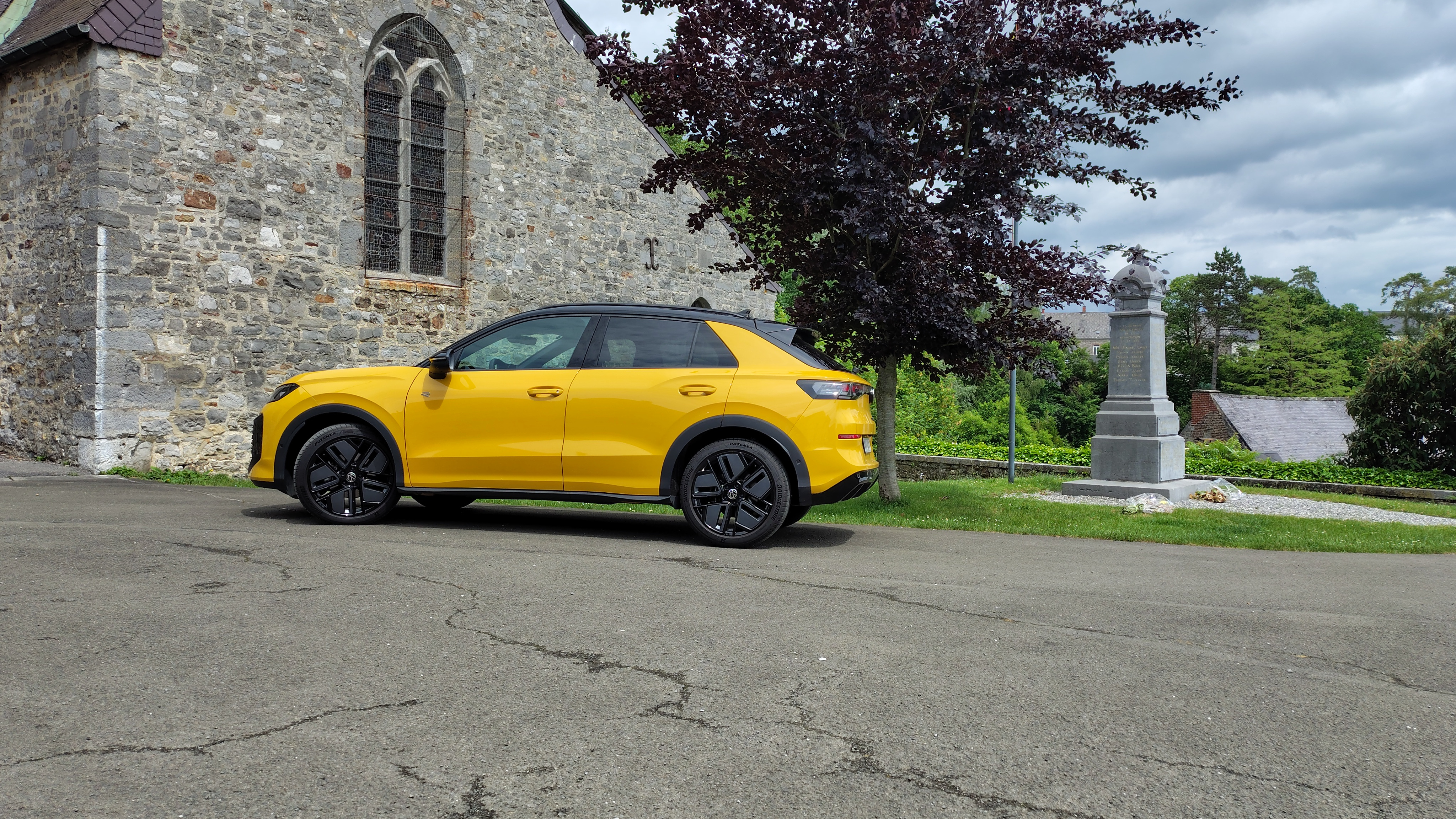
The DSG transmission remains a good choice for this type of vehicle. It shifts gears without too many jerks. Only when pushed to the limit does it occasionally show some resistance—much like the rest of the car, really. The T-Roc avoids aerodynamic buffeting and sudden jolts. So the VW covers the miles in a reassuring environment. Note that there’s really no shortcut to avoiding false speeding alerts. You have to tap the blue car icon once, then the traffic sign, and then the virtual switch. We’ve seen simpler ways. There’s no customizable button on the steering wheel. A star, for example. Or an asterisk, like in Audis.
Ambient Lighting
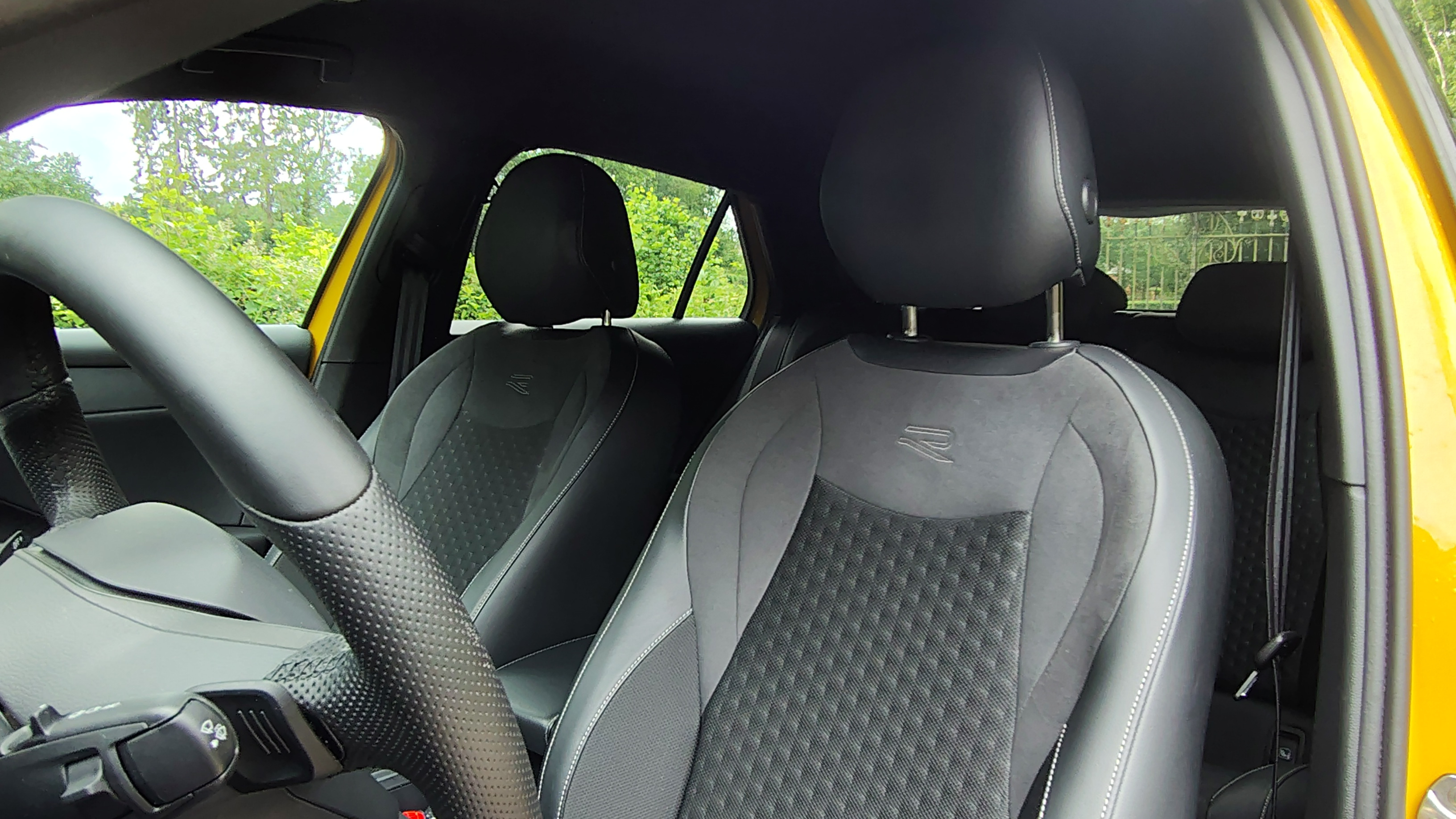
The interior isn’t particularly cheerful. The only bit of flair comes from the interior lighting and its mood settings. Like many (if not all) cars these days. Despite the R-Line trim adding a touch of sporty luxury, you have to admit it lacks boldness. However, it hasn’t skimped on storage spaces. They’re plentiful and practical. The wireless charging pad holds the phone securely in place. The phone’s screen can, of course, be mirrored onto the central display via Android Auto or Apple CarPlay. The Technology Plus package on our model adds a head-up display, which helps you keep your eyes on the road more often. It also enhances the driver-assistance features. However, their calibration is rather lenient, and everything can be configured via the menus on the touchscreen.
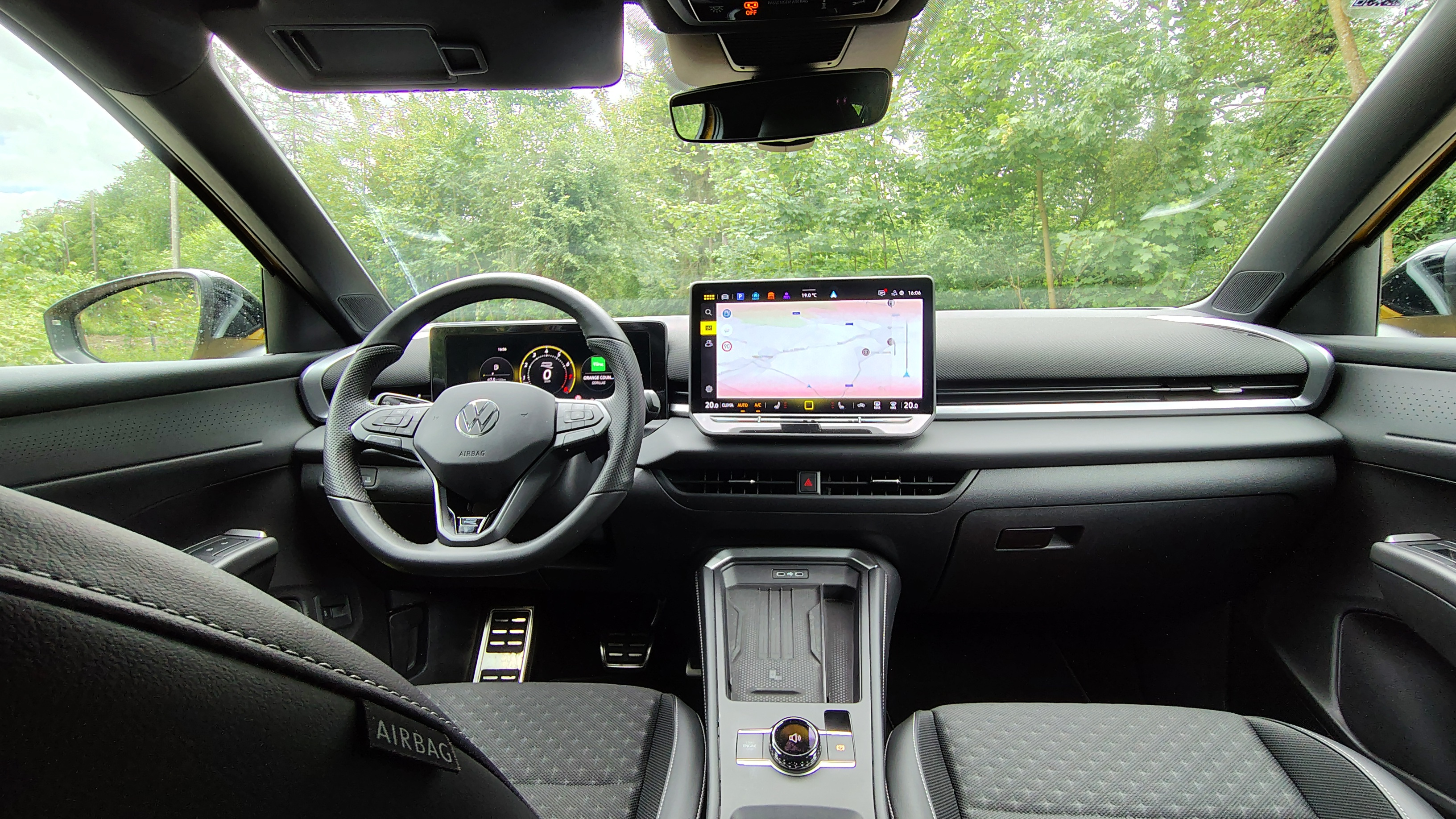
After the drive, it’s time to get out of the car. Passengers are a bit confused. They can’t figure out how to open their door. There’s no traditional door handle! Instead, there’s a lever at the end of the armrest, near the window control button. Well, there you go—see, Volkswagen can be a bit whimsical too! The ride height isn’t sky-high, but it helps older or disabled passengers get in and out of the vehicle—even with the grab handles. That said, the firm suspension and seats could be hard on their spines on long trips—even while being lulled by the six speakers of the Discover multimedia system (optional in some markets).
Family-Friendly
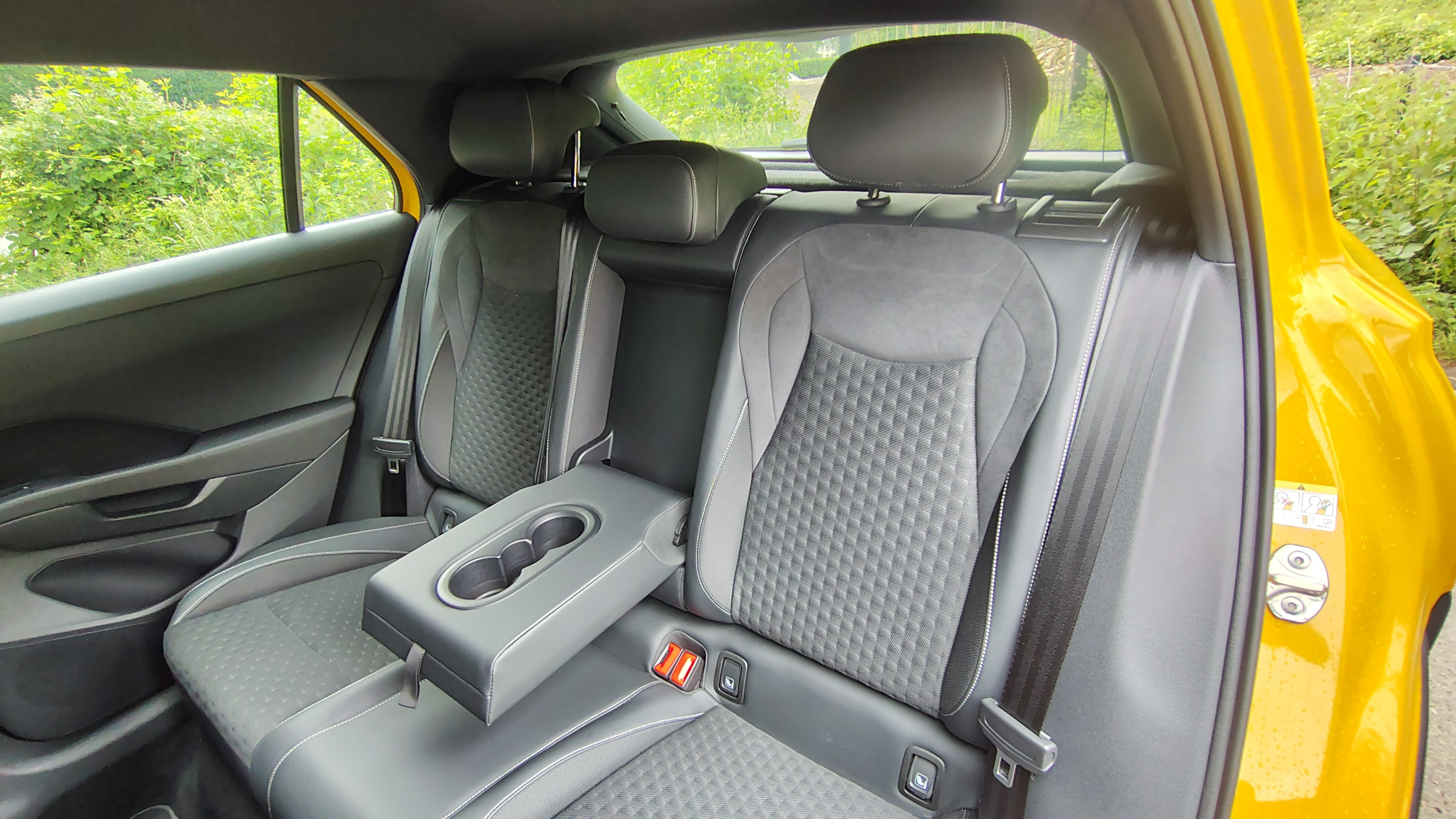
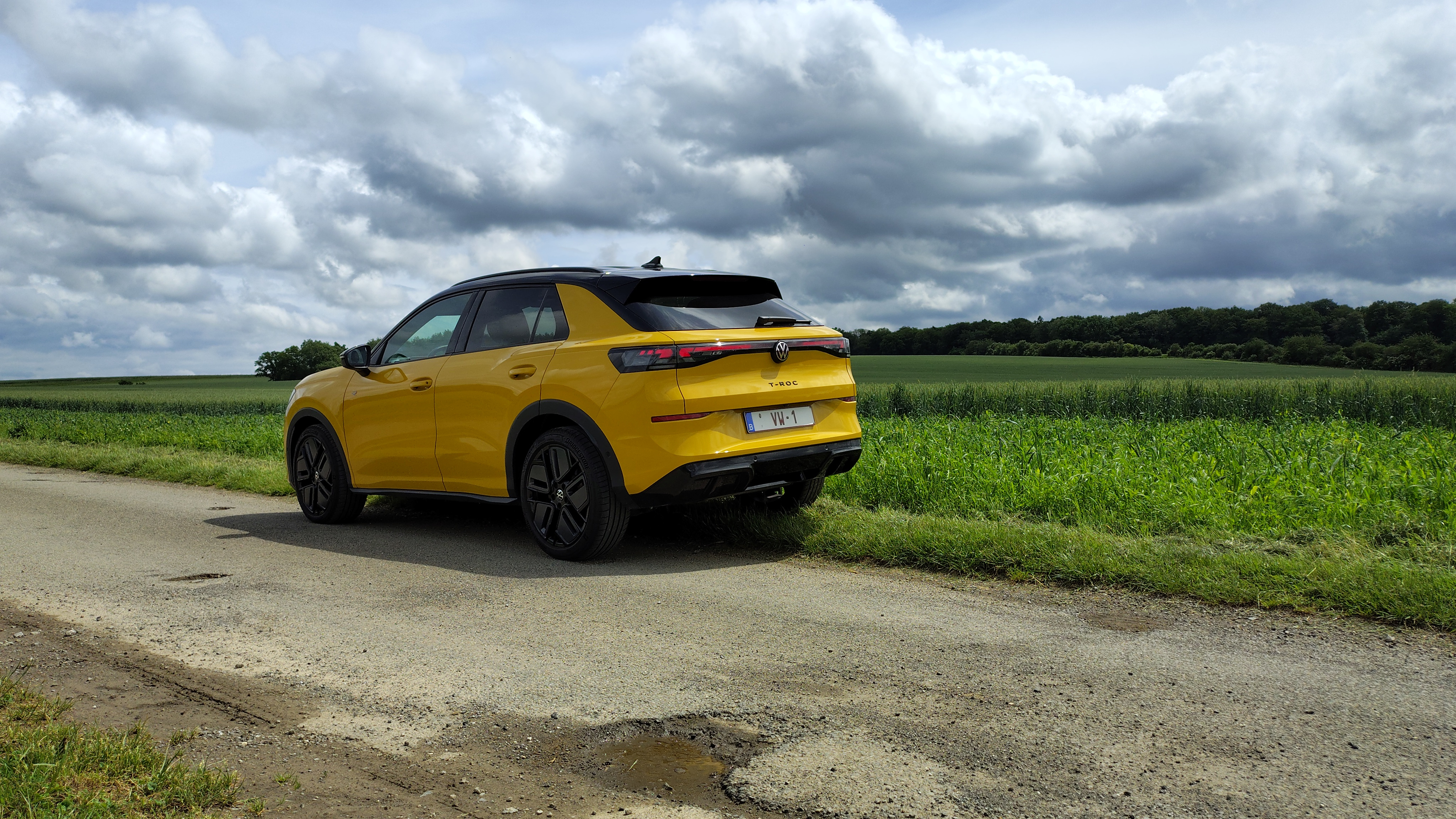
The new T-Roc is 12 cm longer than its predecessor. The SUV measures 4.37 m in length, 1.83 m in width (2.04 m with the side mirrors extended), and 1.57 m in height. The wheelbase is 2.63 m, an increase of 4 cm. However, the rear seats remain barely adequate for two people in the back. The tunnel between the legs and a narrower seat make the middle seat virtually unusable. Front-seat passengers are much better off. They have heated seats. But they aren’t power-adjustable… That feature is reserved for the leather seats on the VW T-Roc!
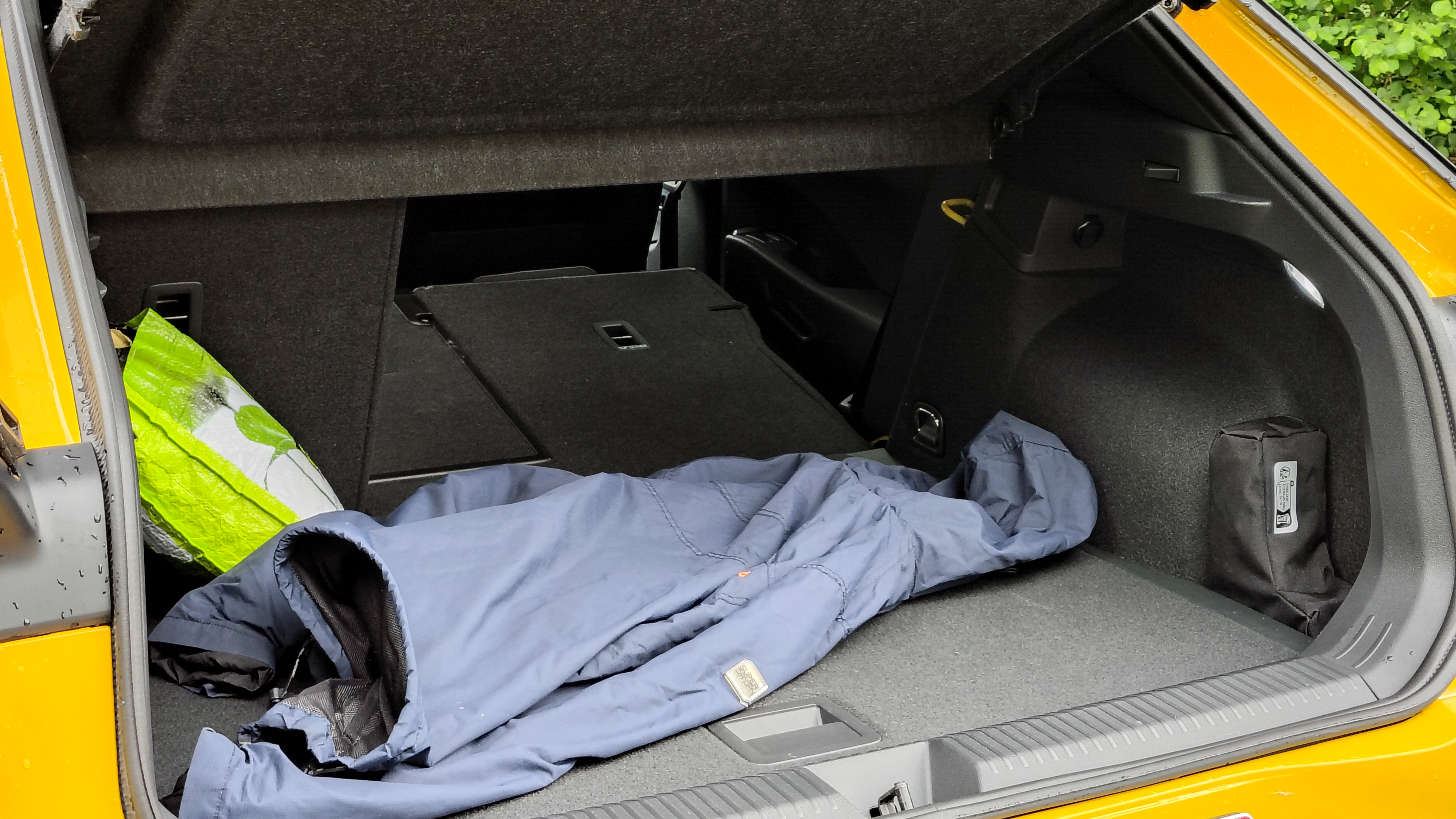
As for the trunk, the volume under the cargo cover is 475 l. But since there’s no spare tire, there’s a large space available under the floor, directly on the metal and in the recess intended for the missing fifth wheel. By folding down the rear seats, you can expect 1,350 liters of usable space: the floor isn’t completely flat (but almost), and you’ll need to reach through the door to fold down the seatbacks. At least it’s a 40/20/40 split, allowing you to adjust the configuration to fit whatever you’re hauling. The tailgate can be opened with a kick under the bumper using the Easy Open/Close option. And to avoid damaging it while maneuvering, the rearview camera with a “bird’s-eye” view and the parking assist system are also available as additional options…
Budget
The entry-level Volkswagen T-Roc 1.5 eTSI, with 116 ch (85 kW), can be purchased for around 30,000 € depending on the market, sometimes 33,000 €. For the 150 ch (110 kW) version, the price ranges from €38,000 to €40,000. The R-Line trim level of the model we tested is even slightly more expensive, exceeding €40,000. Especially since you’ll also need to add options and can’t count on any tax breaks.
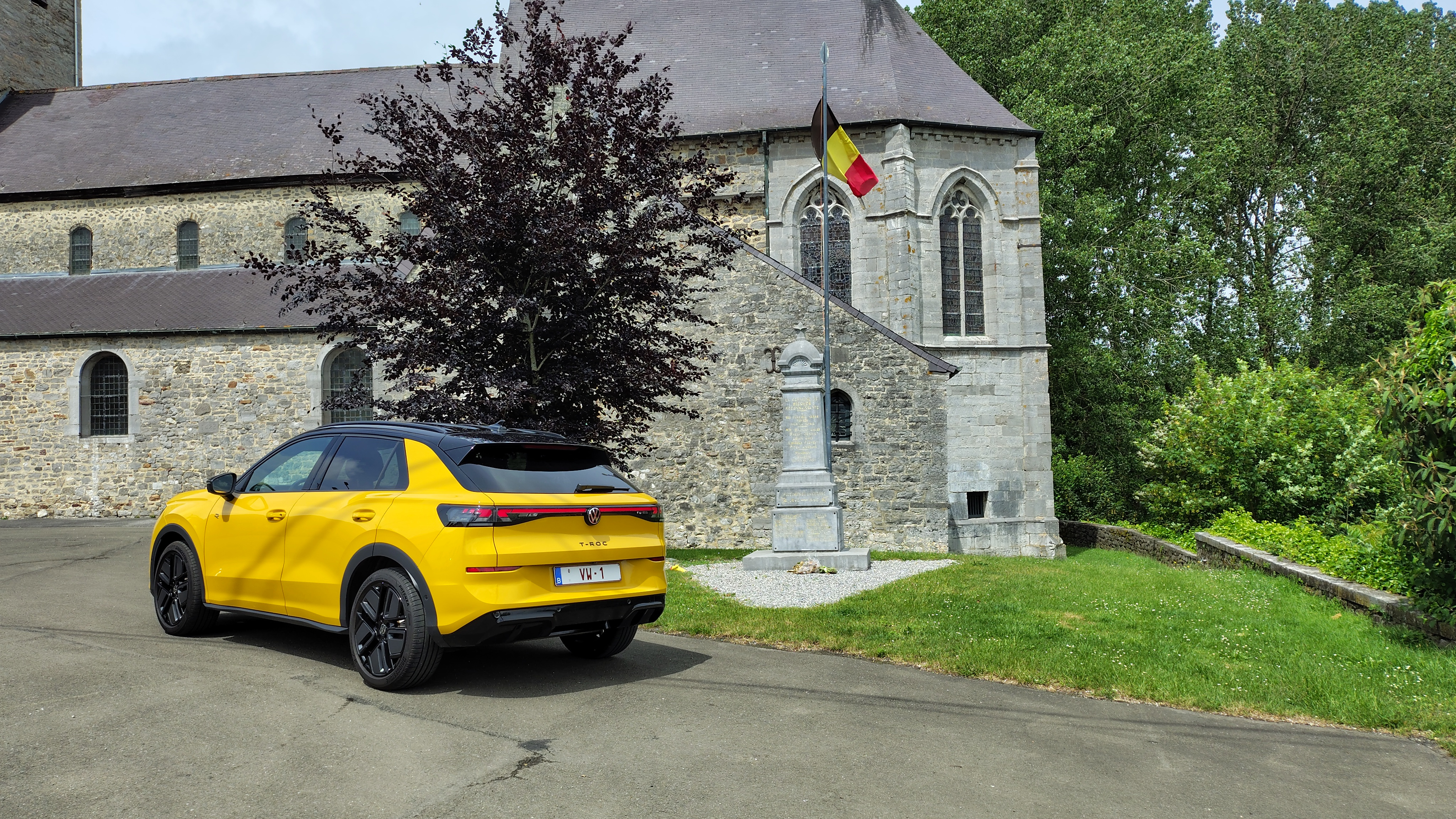
Thus, in Belgium, the Volkswagen T-Roc 1.5 eTSI R-Line starts at 43,905 €. Then you have to add the two-tone yellow and black paint (500 €), the hands-free Easy Open & Close trunk (385 €), the Easy Park Pro system with Park Assist Pro (€155), and for the rearview camera with bird’s-eye view, you’ll need to opt for the Technology Plus package, which includes the head-up display, among other features (€1,070). This car was also equipped with Matrix LED headlights (525 €), the Black Style package with black wheels and 225/45 R19 tires (€650), and the Discover infotainment package, featuring the digital cockpit, voice recognition, a 12.9-inch screen, and built-in navigation (€900). Total cost: €48,100 (excluding delivery and preparation fees). And that’s without the DCC dynamic (sport) chassis, the sunroof, the auxiliary heater, or the power-adjustable leather seats. In short, if you go on a wild option-checking spree, you could easily reach—and even far exceed—€50,000.
In the Grand Duchy of Luxembourg, the same R-Line model will set you back 44,869 €, with similar packages, sometimes called IQ.Light or IQ.Drive. In France, Volkswagen will offer you a price of €46,570 with a configuration similar to the one in this test drive. In Switzerland, you’ll have to shell out 44,730 CHF. In the Netherlands, where the new T-Roc is subject to a CO2 emissions surcharge at the time of purchase, the price comes to €50,804! Finally, in the United Kingdom, the price is £41,945.
The Verdict
The new-generation Volkswagen T-Roc brilliantly steps into the shoes of a best-seller—a model that has even surpassed the Golf in households’ hearts. It strikes a good balance for those who want to drive a mild-hybrid vehicle without too much hassle. On the road, the focus is on reassuring neutrality rather than thrills, with sound and predictable handling. It’s especially in suburban driving that the eTSI powertrain reveals its true value. Backed by the famous 7-speed DSG, the starter-alternator acts as the conductor, smoothing out stops, softening acceleration, and coasting, bringing flexibility to everyday driving and slightly reducing fuel consumption.
The real problem, however, lies in the equipment policy—a typical weakness of Wolfsburg. But the SUV would have deserved a few more standard features, especially with the R-Line trim. And fewer hard plastics, too. In short: if you’re allergic to option packages or a compulsive buyer, steer clear. To get a truly well-rounded T-Roc and iron out its minor flaws, you’ll have to juggle the configurator. And you’ll need to be strategic and make the right choices to maintain a good relationship with your personal banker. Unless, of course, there’s no risk of any trouble on that front… Ultimately, this VW T-Roc eTSI 110 kW (150 ch) remains a safe bet—pragmatic and technologically advanced.
Text and photos: © Olivier Duquesne
Share: